
Choosing the right rollstock film is not only about packaging appearance. A good structure also needs to protect the product, seal reliably, and run smoothly on the packaging line. For many brands, that balance is what separates a pack that looks good in a sample from one that performs consistently in real production.
When evaluating rollstock film, it helps to look at the project from three angles at the same time: the product itself, the packaging process, and the final shelf presentation. Bringing these factors together early usually leads to a more efficient development process and fewer surprises once production begins.
If you are still comparing packaging formats, it can also be useful to look at whether a finished pouch format may be a better fit for the application. In some cases, a stand up pouch offers stronger shelf presence, while a flat pouch may be a simpler choice for lightweight or single-use formats. For high-volume automated packing, however, rollstock film is often the more efficient solution.
Start with the Product and the Packaging Process
The best rollstock film choice starts with a clear understanding of what the package needs to do. Dry snacks, powders, coffee, frozen food, and household products all place different demands on the material structure. Some applications need stronger moisture protection, while others need better oxygen barrier, aroma retention, puncture resistance, or stable sealing during filling.
At the same time, the packaging process matters just as much as the product itself. Rollstock film is commonly used on automated lines, including vertical and horizontal form-fill-seal systems. That means the material needs to do more than simply carry artwork. It also needs to perform well with the sealing method, machine speed, forming style, and line setup used in actual production.
This is one reason rollstock projects usually work best when product requirements and production conditions are reviewed together. A structure that looks suitable on paper may still create problems if it does not match the way the package is formed, filled, and sealed on the line.
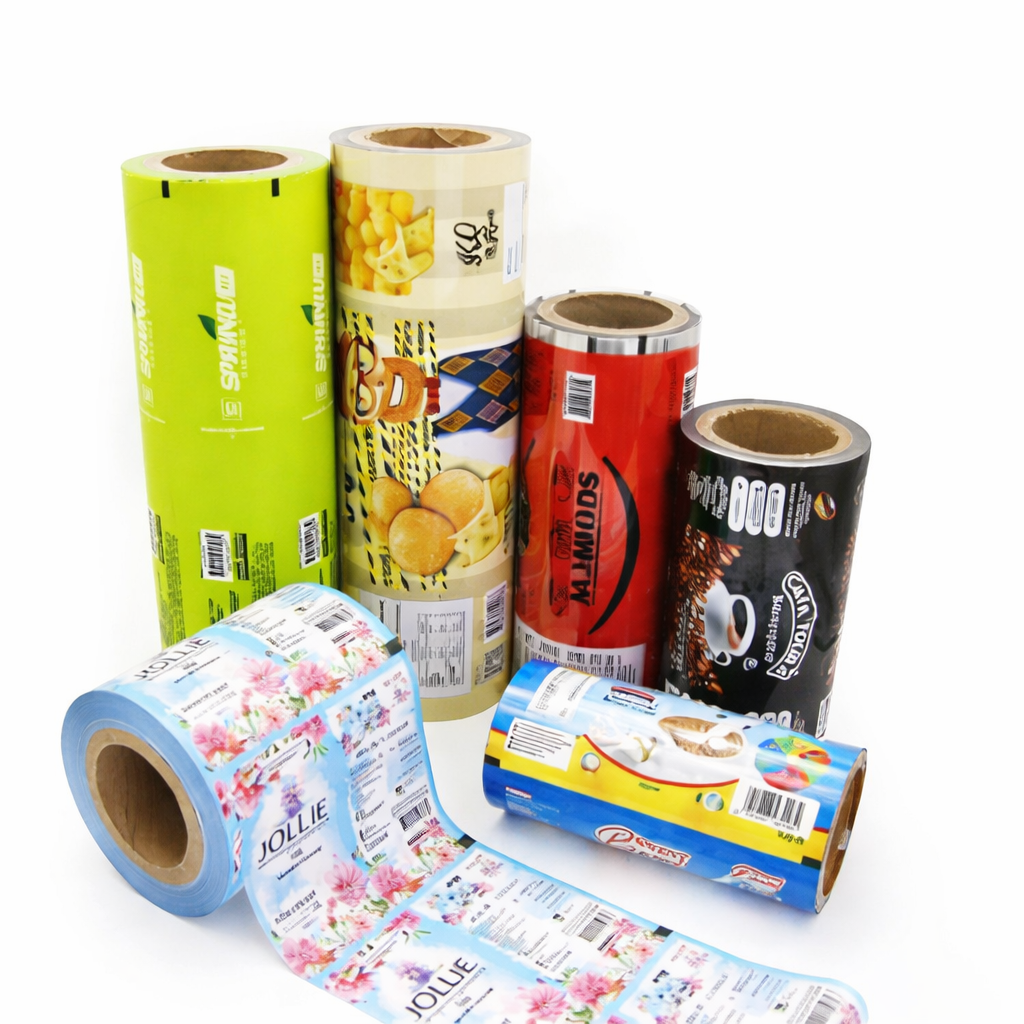
Match the Material Structure to the Protection You Need
One of the most important decisions in any rollstock project is choosing the right material structure. This is where barrier requirements come in. Depending on the product, the film may need to help control moisture, oxygen exposure, aroma loss, grease migration, or light sensitivity. The right combination depends on the product category, expected shelf life, and storage conditions.
That said, stronger barrier is not always better by default. Over-specifying the structure can add cost and complexity without improving the real packaging result. In many cases, the better approach is to choose a film that delivers the protection the product needs while still supporting efficient converting and reliable sealing.
If material selection is still being reviewed, it can also help to look at how different rollstock film structures are used across product categories and packaging environments. For brands comparing finished formats as well, related options such as a stand up pouch or a flat pouch may provide a useful point of comparison. The goal is not simply to choose the most complex option, but to choose one that makes sense for both the product and the production line.
| Project Priority | What to Review |
|---|---|
| Product protection | Moisture barrier, oxygen barrier, aroma retention, and seal integrity |
| Production performance | Machine speed, sealing consistency, roll build, and unwind direction |
| Brand presentation | Print quality, finish style, opacity, and overall visual impact |
| Commercial fit | Order volume, cost target, and co-packer or in-house production requirements |
Barrier Matters, but Machine Performance Matters Too
Good rollstock film needs to do two things at the same time: protect the product and run smoothly on the packaging line. Strong barrier matters, but stable machine performance is just as important for consistent production.
Barrier Performance
The right structure helps protect freshness, support shelf life, and reduce the risk of product quality loss during storage and distribution.
Machine Performance
A film also needs to form well, seal consistently, and run reliably under real production conditions on the packaging line.
Confirm the Roll Specifications Early
Core Size
Make sure the roll core matches the requirements of the packaging machine or co-packer to support smooth setup and handling.
Roll Width & Outer Diameter
These dimensions affect line setup, material handling, and overall production efficiency during packaging.
Winding Direction
The unwind direction should align with how the film enters and runs through the packaging line to avoid unnecessary issues on press.
For many rollstock film projects, aligning these technical details early is one of the simplest ways to support smoother production.
A Better Rollstock Film Decision Supports Both Brand and Production
The right rollstock film should do more than carry printed artwork. It should help protect the product, support efficient production, and create a package that feels right for the brand. When material choice, machine compatibility, and visual goals are considered together, the result is usually more reliable and more effective in real use.
For brands planning a new packaging project, taking a practical view from the beginning often leads to better long-term results. A film that seals well, runs smoothly, and presents the product clearly will usually create more value than a structure chosen on appearance alone. If you are evaluating a new rollstock film project, aligning technical requirements early can make the development process much more efficient.
Need help with your rollstock film project?
Talk to our team about material structure, printing options, and machine compatibility.
Rollstock Film FAQs
Rollstock film is used on automated packaging lines to form, fill, and seal finished packs during production. It is commonly used for snacks, powders, coffee, frozen food, household products, and many other packaged goods.
Yes. Rollstock film can be developed for both vertical and horizontal packaging applications, depending on the product, sealing method, and machine setup.
A wide range of material structures is available, from standard laminations to higher-barrier solutions. The right choice depends on the product, shelf life goals, storage conditions, and packaging requirements.
Yes. Rollstock film can be customized for roll width, outer diameter, core size, and winding direction to match your equipment or co-packer requirements.
Yes. Custom rollstock film can be printed with your artwork and tailored with different finish options, such as matte or gloss, to support both brand presentation and production needs.