Printable Outer Layer
PET, BOPP, or other suitable films can provide the outer printing surface. Material selection also affects appearance, stiffness, and the compatibility of matte, gloss, and other surface finishes.

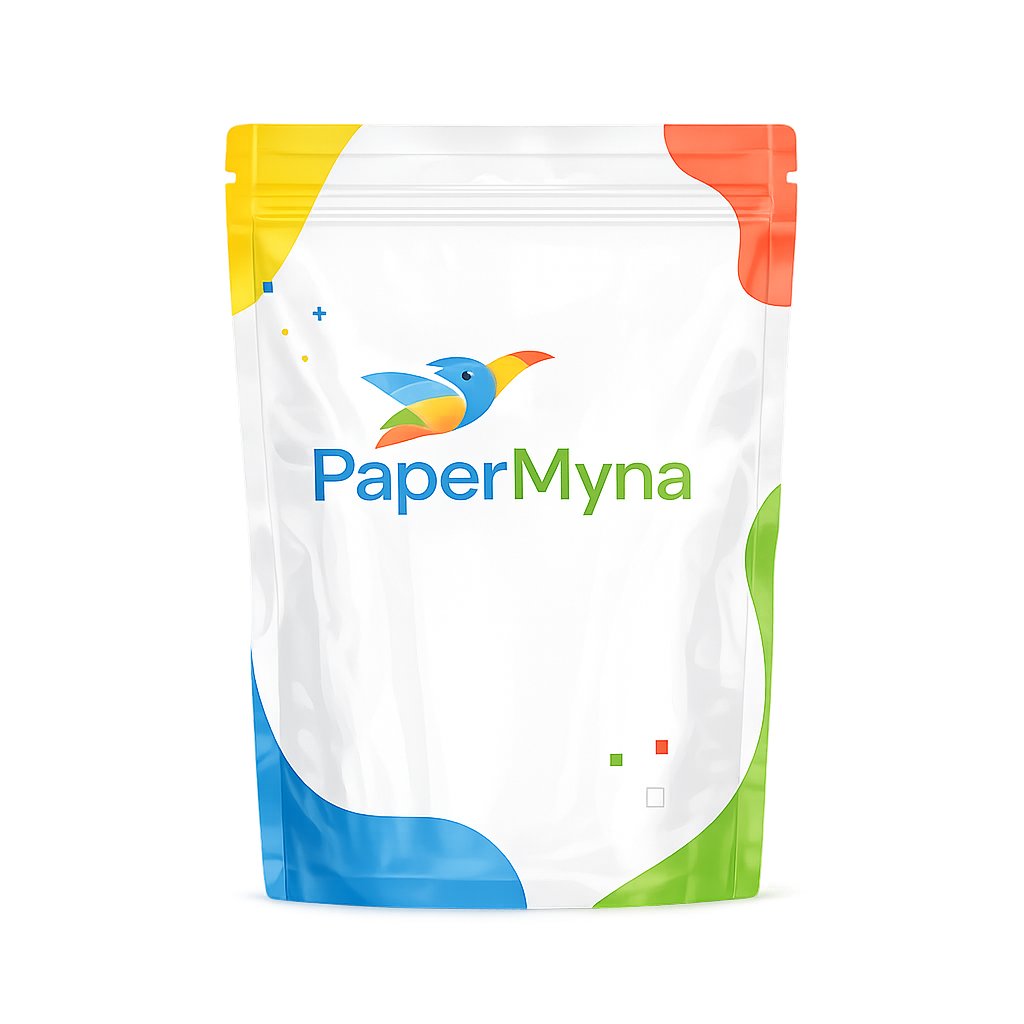
A stand up pouch has a folded section at the bottom that opens as the bag is filled. This creates a wider base than a flat pouch, helping the finished package stand upright on a shelf or countertop.
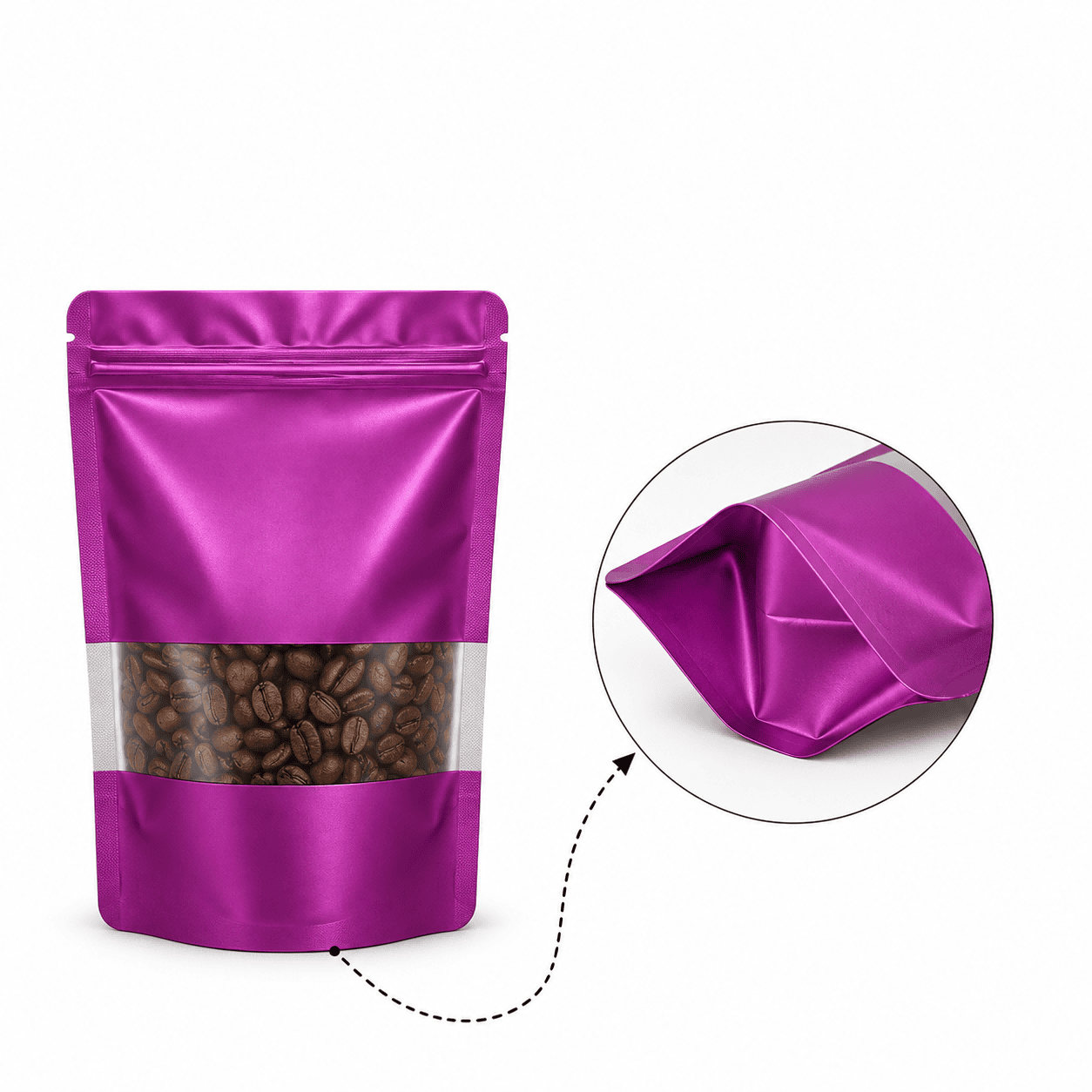
For products that do not require a standing base, a flat pouch may be another packaging option to consider. The final choice depends on the filling process, product requirements, and intended display.
Stand up pouches are used for a range of food and consumer products. Bag dimensions, material structures, and closure options should be selected according to the product and how it will be filled, stored, and handled.
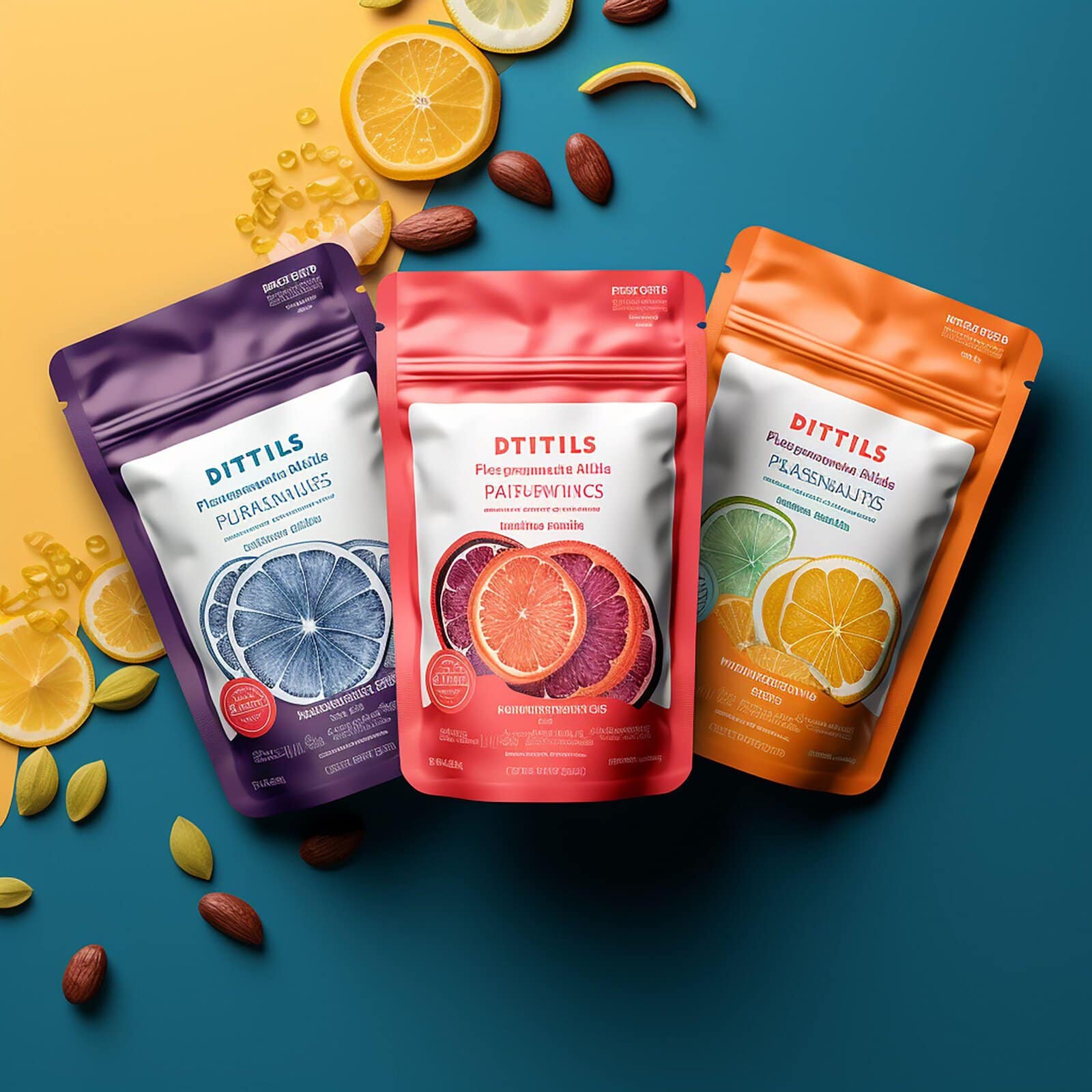
Stand up pouches are commonly made from laminated flexible films. Each layer serves a different purpose, from printing and product protection to heat sealing. The appropriate structure depends on the contents, filling process, storage conditions, and required shelf life.
PET, BOPP, or other suitable films can provide the outer printing surface. Material selection also affects appearance, stiffness, and the compatibility of matte, gloss, and other surface finishes.
Metallized films, aluminum foil, and other barrier materials may be used when protection against oxygen, moisture, or light is required. Barrier performance depends on the complete laminate structure and its condition after converting and filling.
PE and other compatible sealing films form the inner surface of the pouch. The sealant should be selected according to product contact requirements, filling conditions, and the temperature and pressure settings of the sealing equipment.
Common structures may combine printable, barrier, and heat-seal layers in different ways. Share the product type, filling process, storage conditions, and target shelf life so the proposed structure can be reviewed before sampling and production.
Stand up pouches can be produced with different opening features, closures, windows, and surface finishes. Each option should be selected according to the product, filling process, and how the package will be opened and used.
Press-to-close zippers allow the pouch to be opened and closed after the initial top seal is removed. Zipper position, opening width, and filling clearance should be considered when confirming the bag dimensions.
Tear notches provide a starting point for opening the sealed pouch. Their position should be coordinated with the top seal, zipper, and printed artwork to avoid interfering with important information.
Transparent windows allow customers to see the contents without opening the package. Window size and placement should be reviewed alongside the laminate structure, artwork, and required product protection.
One-way valves may be specified for roasted coffee packaging where gas release needs to be managed. Valve type and placement should be confirmed according to the coffee, filling conditions, and packaging design.
Matte and gloss finishes create different visual and tactile effects. The selected finish should be compatible with the outer film, printing process, and expected handling conditions.
Hang holes can be considered for smaller retail pouches intended for peg displays. Hole position, top-seal allowance, and filled bag weight should be reviewed before the design is finalized.
The right pouch size depends on more than the product's net weight. Bag width, overall height, bottom gusset dimensions, and the space reserved for the zipper and final seal all affect how much product the finished pouch can hold.
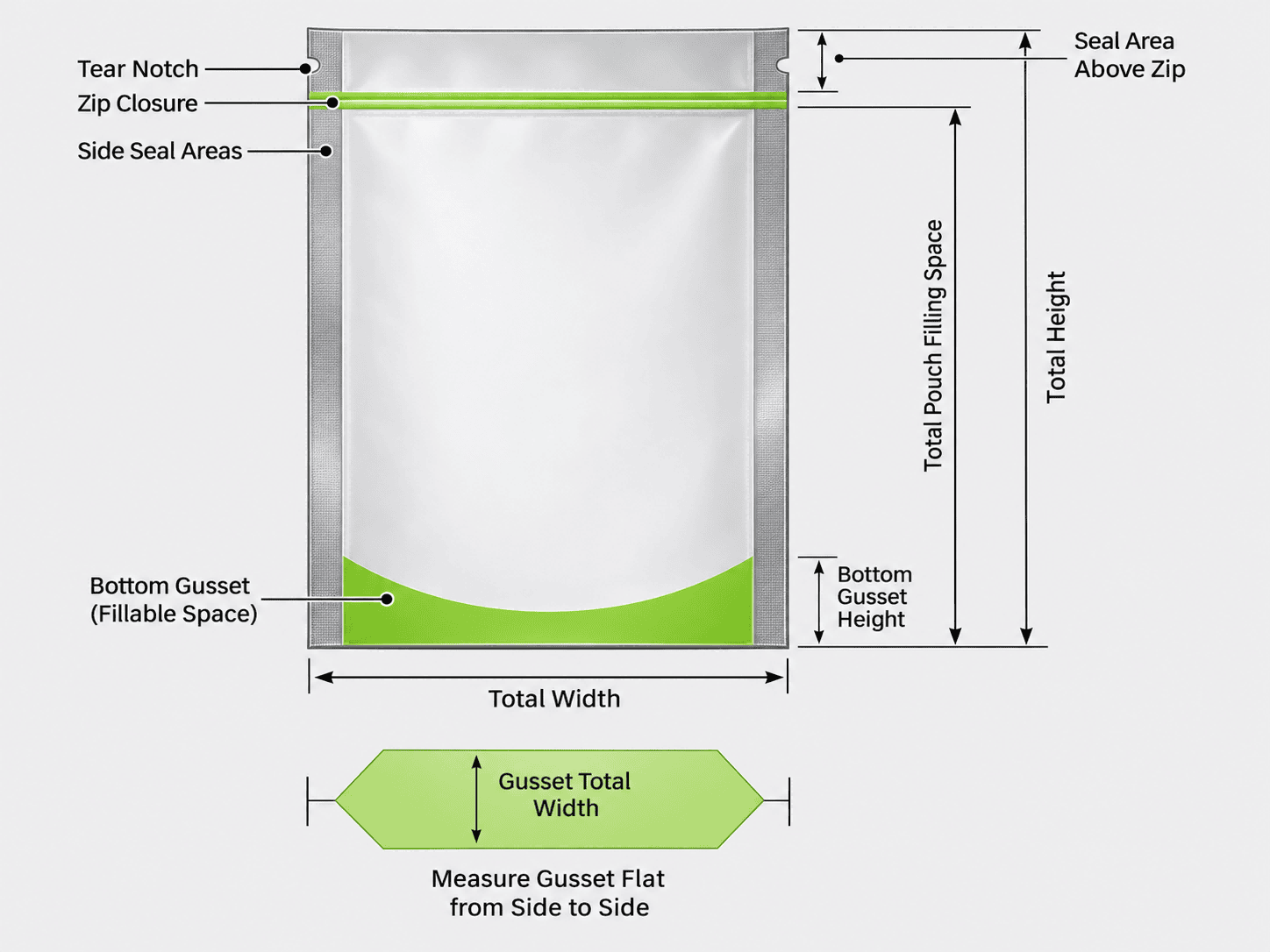
Confirm the finished pouch width and overall height using an agreed measuring method. The usable space is smaller than the external dimensions because of the side seals, zipper, and top sealing allowance.
The bottom gusset opens as the pouch is filled. When reviewing a drawing, check whether the stated gusset dimension refers to the folded section, its flat measurement, or the expanded base.
Products with the same net weight can occupy different volumes. Bulk density, product shape, filling level, and the expanded bottom gusset should all be considered when selecting a size.
Test the proposed size with the intended product and filling weight. Check whether the pouch stands properly and whether enough space remains for filling, closing the zipper, and making the final top seal.
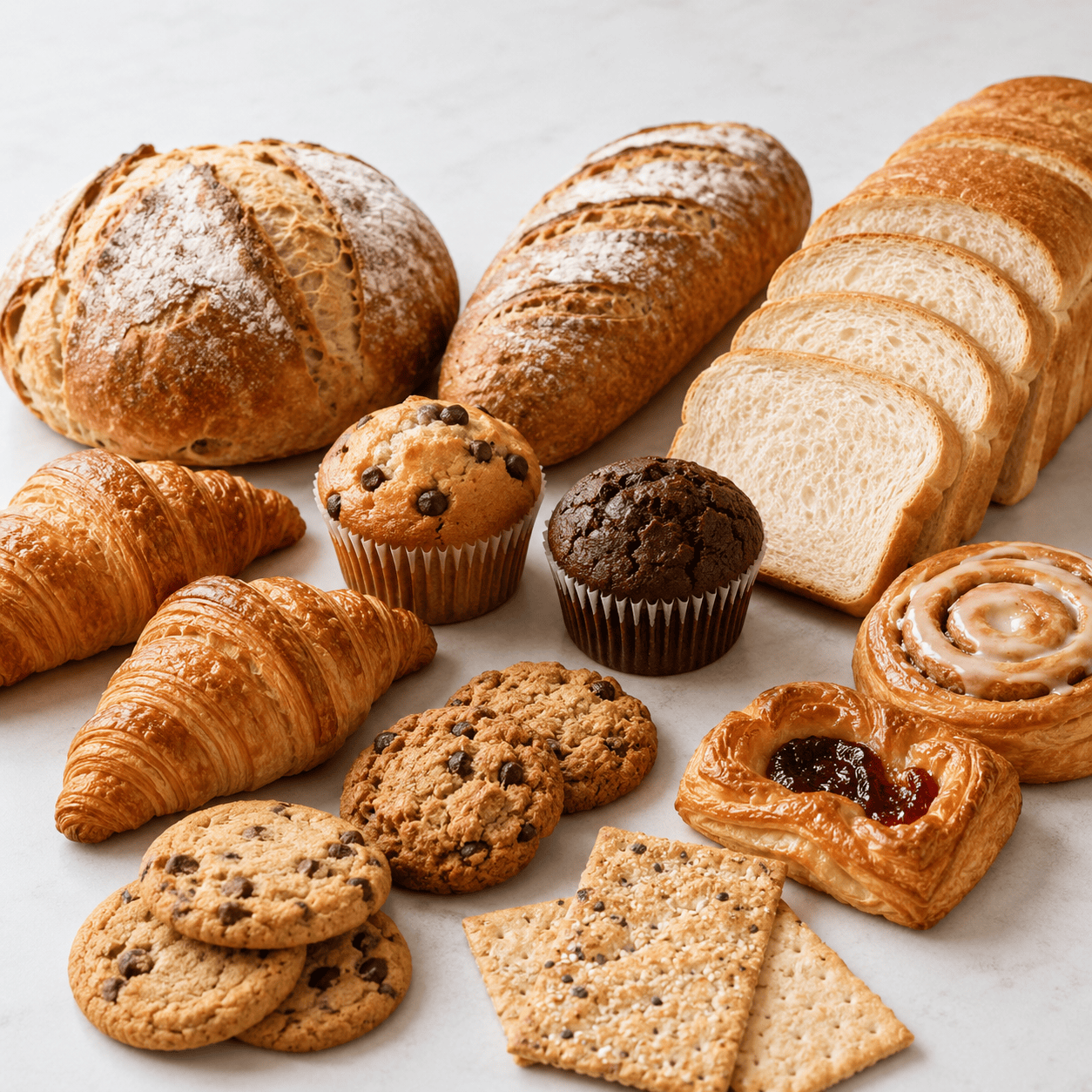
Before ordering custom printed stand up pouches, it helps to confirm the artwork, bag specifications, and intended filling conditions. Clear information at this stage makes it easier to review the design, prepare samples, and provide a quotation.
The artwork should be prepared around the confirmed pouch dimensions and construction. Print placement needs to account for the seals, zipper, tear notches, and bottom gusset.
A quotation depends on more than the printed design. Bag size, material structure, closure details, order quantity, and delivery requirements should also be confirmed.
Explore stand up pouch packaging for coffee, snacks, pet food, and other dry products, with materials, sizes, and closures selected for each application.
Quick answers before you request a quote.
Start with the product type, target filling weight, and preferred bag dimensions. Because products with the same weight can occupy different volumes, a sample filling test is recommended before confirming the final size.
The minimum order quantity depends on the pouch dimensions, material structure, printing requirements, and production method. Share your specifications and estimated quantity so we can review the available options.
Production lead time depends on the pouch specifications, printing requirements, order quantity, and whether new artwork or samples need approval. We can discuss the expected schedule after reviewing your project details.
We can review the pouch dimensions and printing layout requirements. If you already have artwork, please share the available files, such as AI or PDF, along with any color references. Artwork preparation requirements can be confirmed before production.
Material options for food packaging can be reviewed according to the product and destination market. Please specify the food type, filling conditions, and applicable food-contact requirements so the proposed materials and available documentation can be checked.
Samples can be discussed to check the pouch dimensions, material appearance, closure features, and filling suitability. Sample availability, cost, and lead time depend on whether an existing sample or a custom-made sample is required.
Please provide the product type, filling weight, pouch dimensions, bottom gusset measurement, preferred materials, printing design, closure requirements, estimated order quantity, and delivery destination. Existing samples or drawings are also helpful.
DISCUSS YOUR STAND UP POUCH PROJECT
Tell us what you are packing, your target filling weight, preferred pouch width, height, and bottom gusset dimensions. Include any material, barrier, printing, zipper, window, or valve requirements, along with the estimated order quantity and delivery destination. If you have an existing pouch sample or specification drawing, share it with your inquiry so we can review the details before preparing a quotation.
PaperMyna uses essential cookies to make this website work. With your consent, we also use optional cookies to understand how visitors use our site and improve your experience. You can accept all, reject non-essential cookies, or manage your preferences at any time.