
Category
Receipt Paper
Explore articles about receipt paper, including thermal paper types, POS receipt roll usage, printing basics, and practical application information.
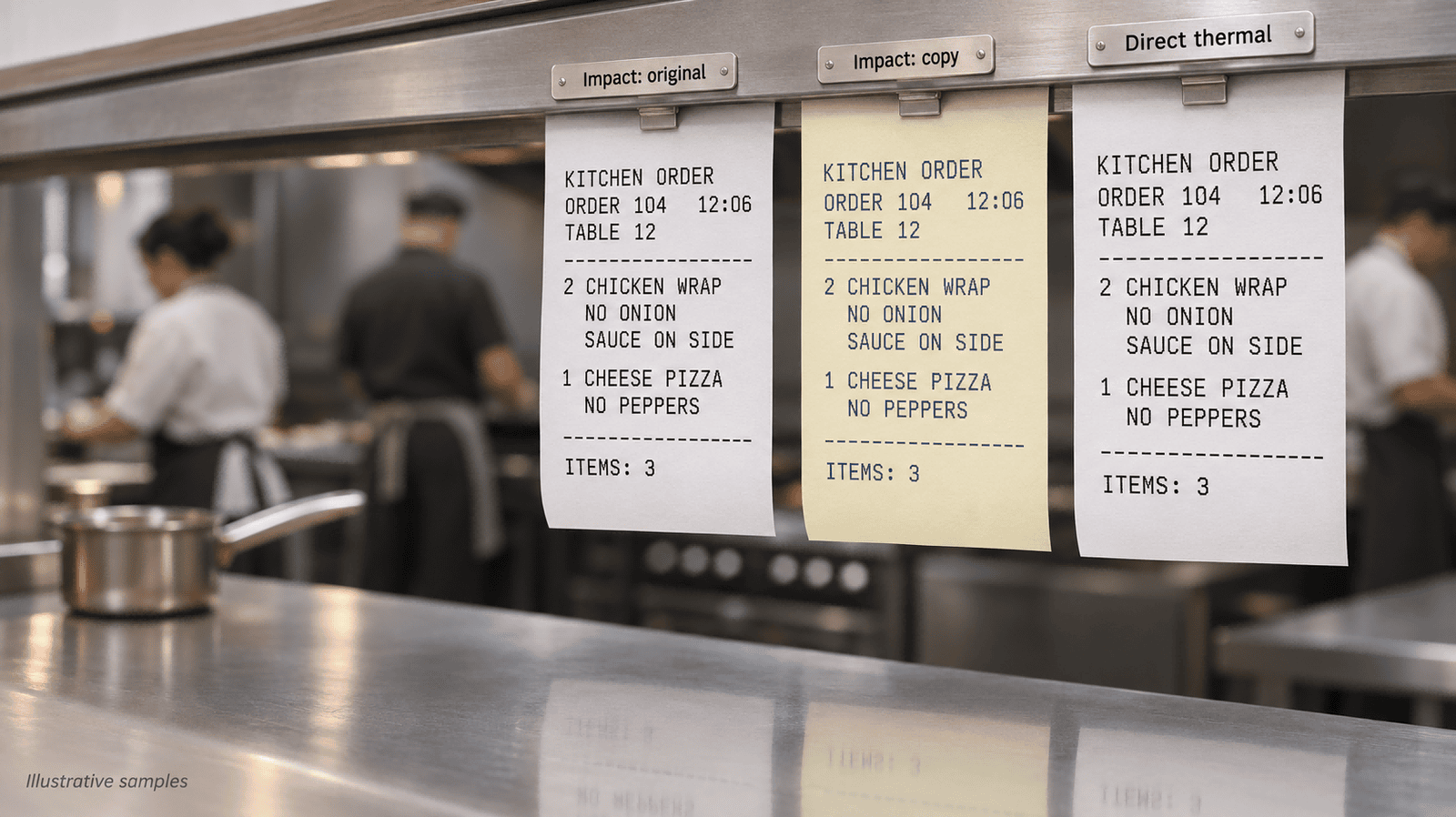
Nov 4, 2026•Kitchen printer paper needs to match the printing method as well as the roll size. This guide compares thermal, single-ply bond and carbonless rolls, with practical checks for copies, kitchen conditions and sample approval.
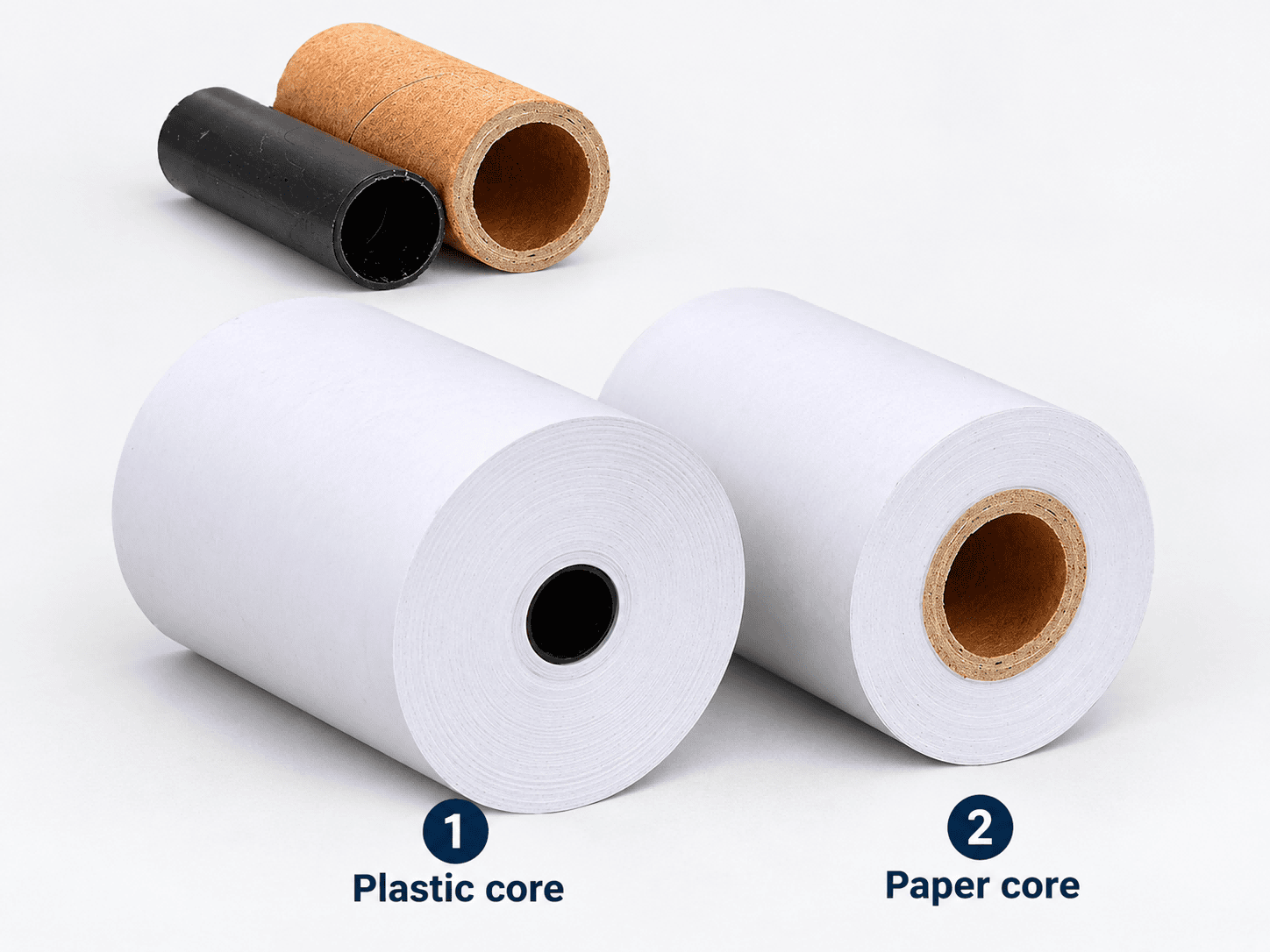
Oct 23, 2026•Two thermal paper rolls can fit the same printer but contain different lengths of paper. This guide explains how paper thickness, roll diameter and core dimensions affect roll length, and what buyers should check when comparing samples and quotations.

Oct 19, 2026•A food or drink voucher needs to tell both the visitor and the serving team what can be redeemed. This guide covers the printed details, collection process, paper finish, quantities and sample checks to settle before ordering.
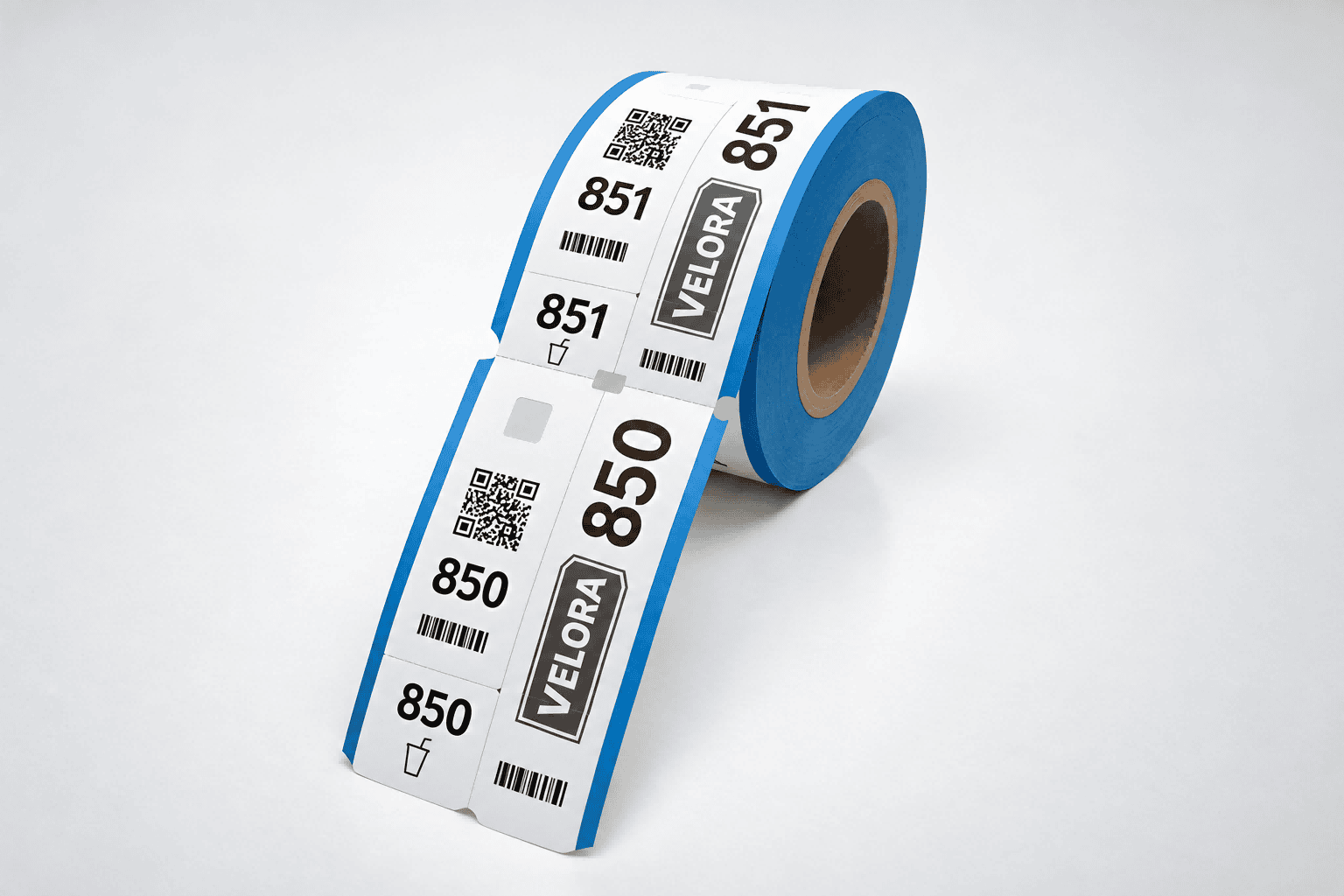
Oct 11, 2026•Compare ticket rolls and receipt paper by printing method, paper stock, roll fit and issuing workflow. Learn how tear lines, black marks and registration holes differ, and what to check before ordering.

Sep 21, 2026•Thermal receipt paper supports everyday checkout operations in supermarkets, retail stores and service counters. This guide explains how POS receipt rolls are used, what to consider when selecting roll size and paper quality, and how proper storage helps maintain clear, reliable printing.
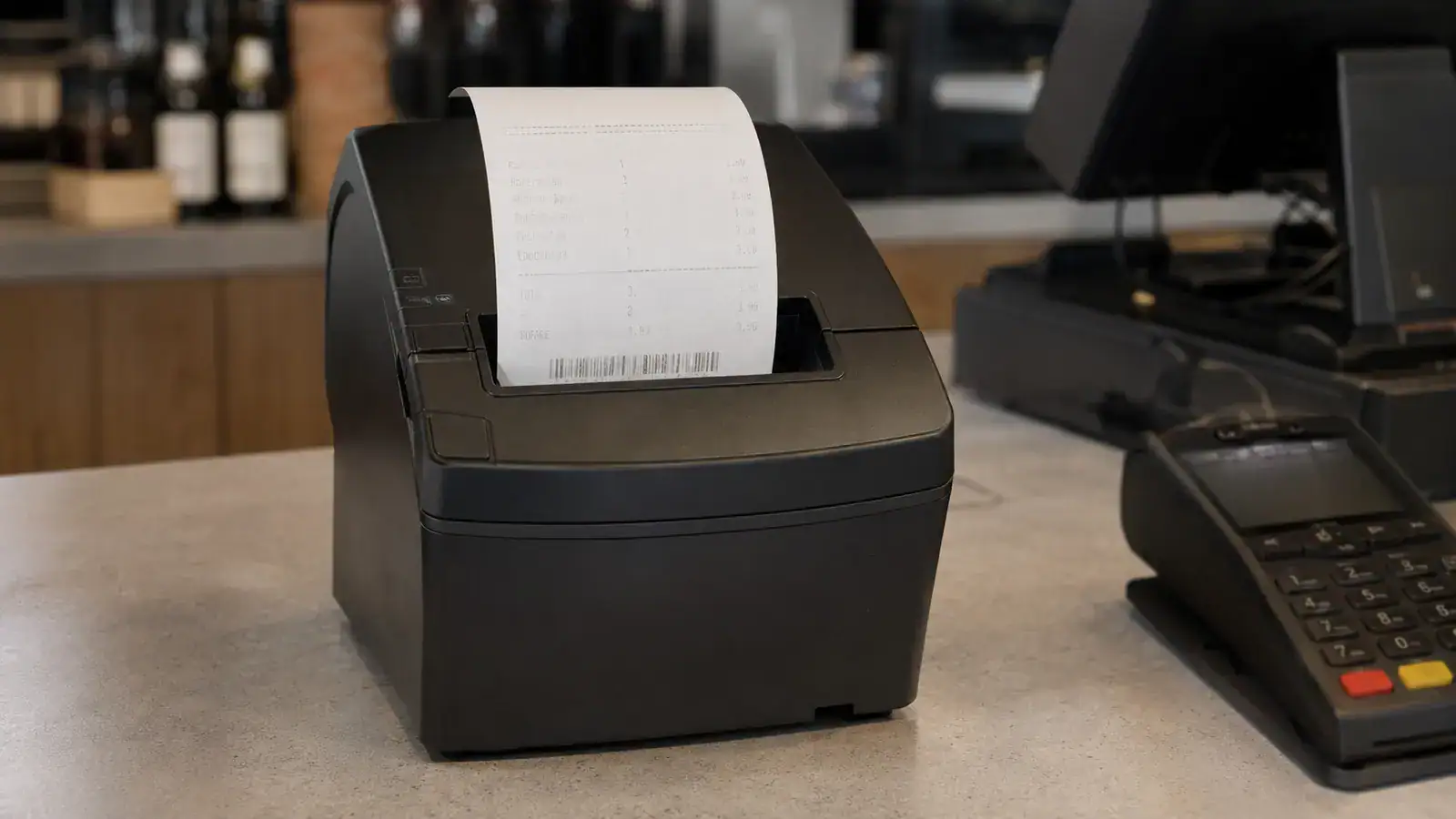
Jul 17, 2026•When thermal receipts print faint, blank, or uneven, the cause may be reversed paper, weak thermal coating, incorrect printer heat, a dirty printhead, or poor storage. This guide explains how to identify the problem before replacing the paper or printer.