Stable Shelf Presentation
The broad rectangular base helps a properly filled bag stand upright. Actual stability depends on the bag dimensions, product distribution, material stiffness, and filling level.

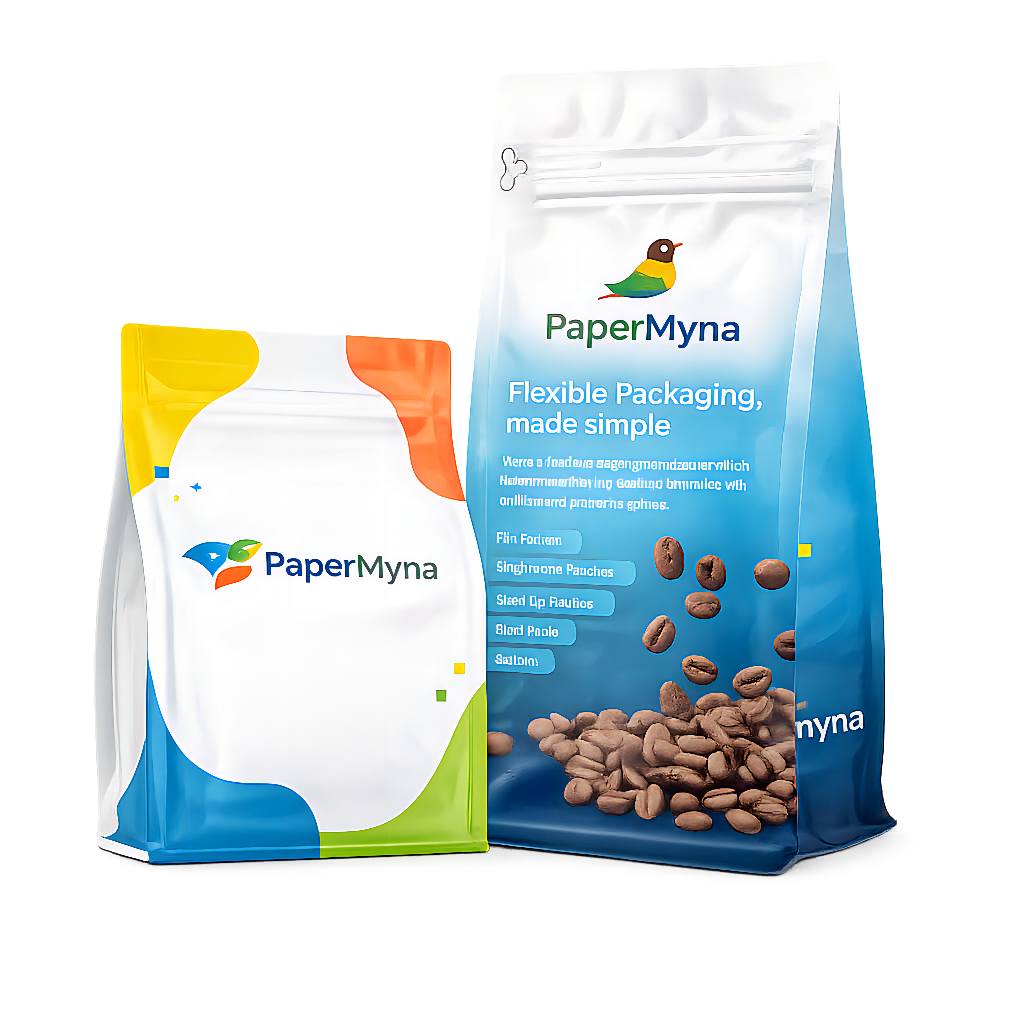
Flat bottom bags combine a rectangular base with expandable side gussets to create a structured packaging format. Their shape provides broad front and back panels for printing while allowing the filled bag to stand upright.
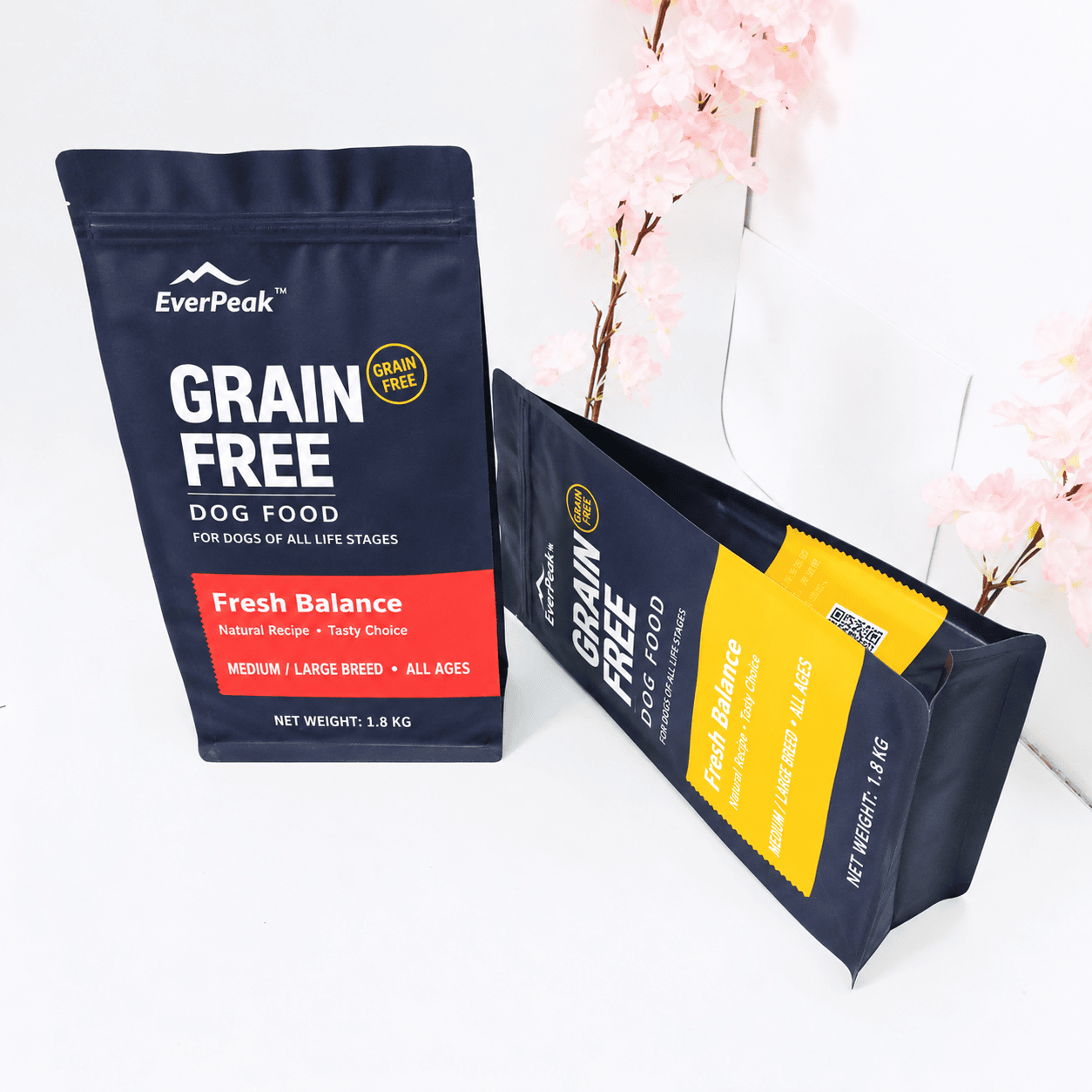
Flat bottom bags offer a structured packaging format with useful options for filling, product protection, printing, and retail presentation. The final design should match the product, filling equipment, and conditions during storage and handling.
The broad rectangular base helps a properly filled bag stand upright. Actual stability depends on the bag dimensions, product distribution, material stiffness, and filling level.
Front, back, and side gusset panels provide space for branding, product information, barcodes, and instructions. Artwork should account for folds, sealing areas, and panel alignment.
The combination of bag width, height, side gussets, and flat bottom construction provides usable filling space. Sample filling helps determine whether the selected dimensions suit the intended product quantity.
Different laminate structures can be selected according to moisture, oxygen, light, and aroma protection requirements. Barrier performance depends on the complete material structure and finished package.
Depending on the application, flat bottom bags can incorporate resealable zippers, tear notches, and suitable one-way degassing valves. Feature placement should be checked against the pouch size and sealing requirements.
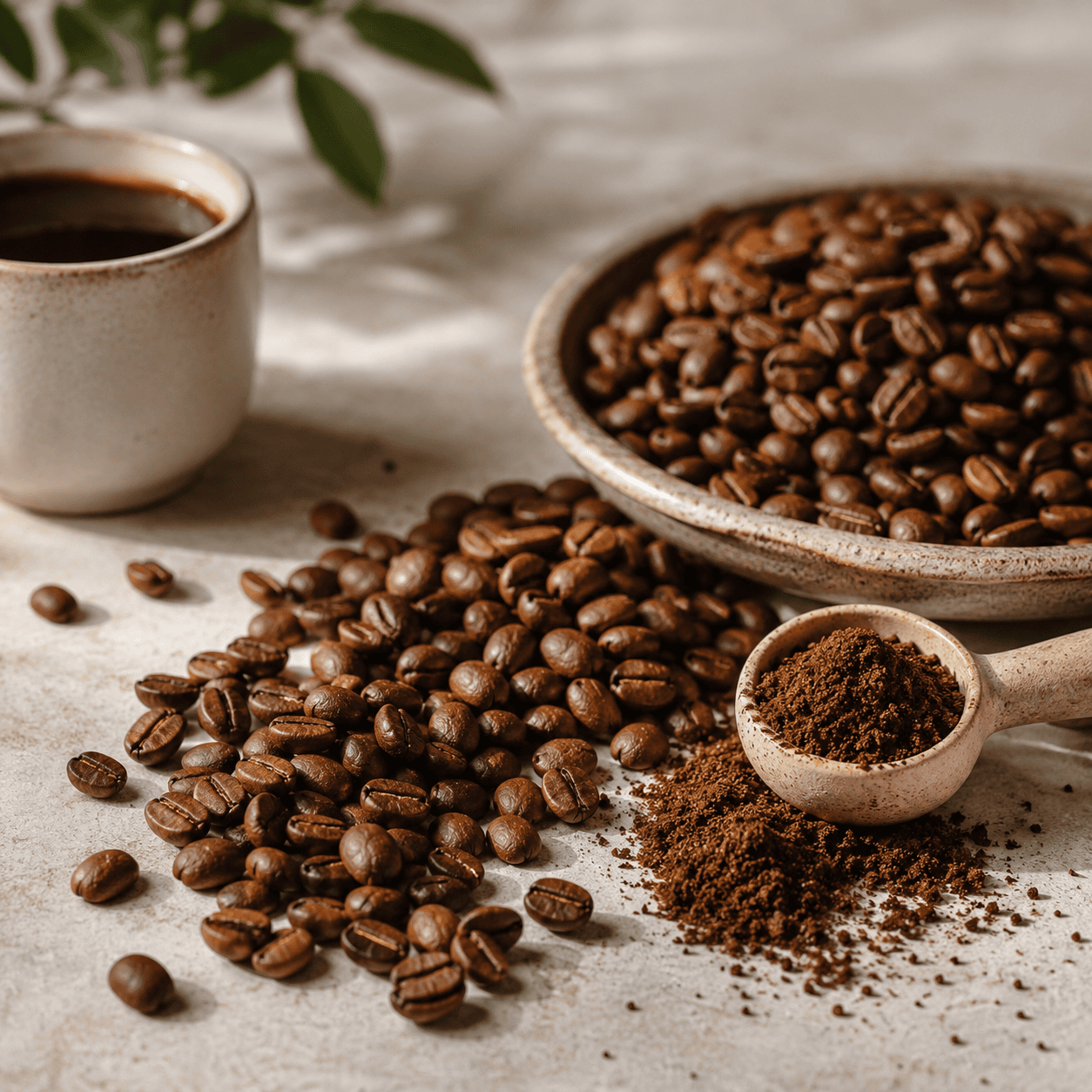
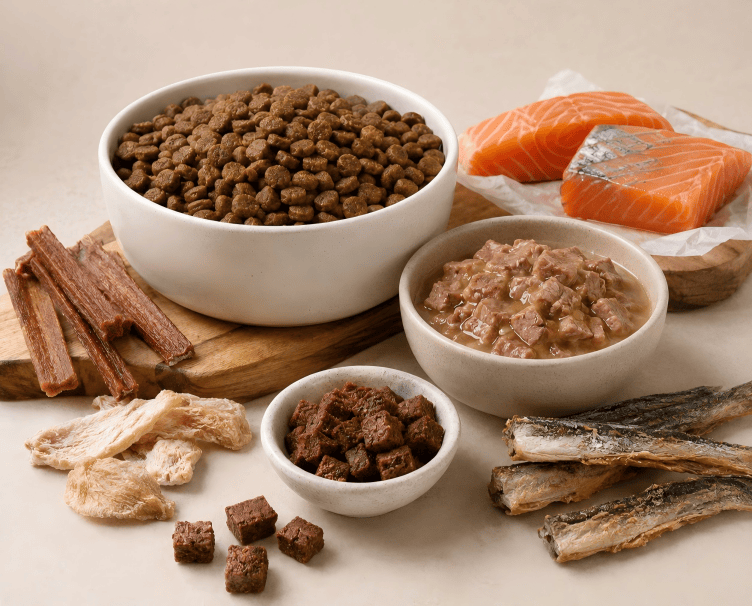
Flat bottom bags are used for coffee, dry pet food, snacks, powders, and other dry products. Material selection, pouch dimensions, and closure details should be adapted to the specific contents and intended use.
A practical overview of the main specifications to review when ordering custom flat bottom bags. Final dimensions, materials, and features depend on the product and filling requirements.
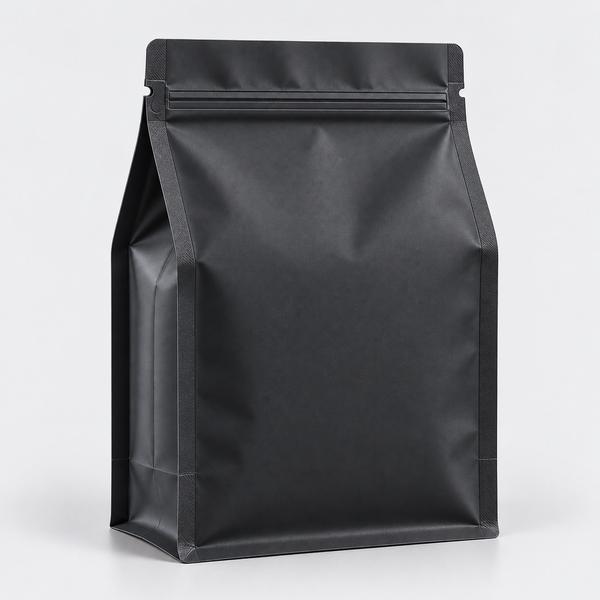
Flat bottom bag dimensions should be confirmed using the finished pouch, not just the nominal size. Panel measurements, side gussets, bottom construction, and sealing space all affect the final fit and usable capacity.
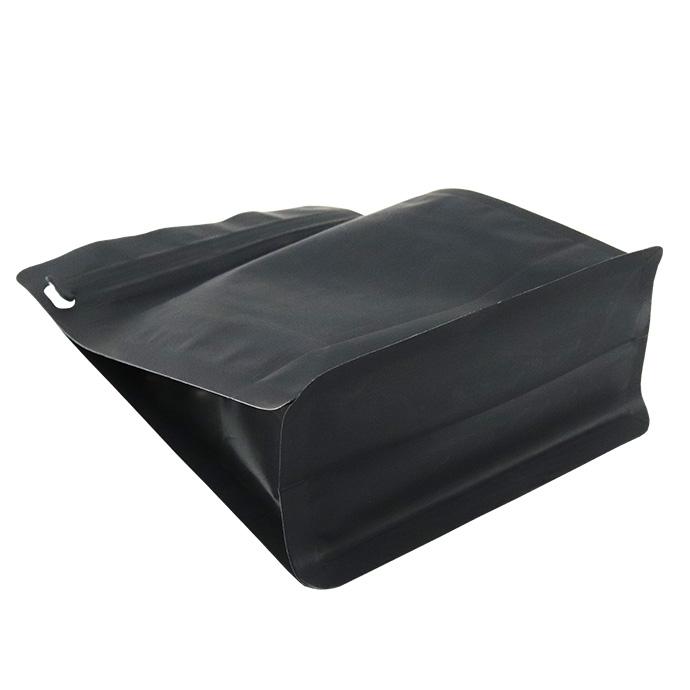
Flat bottom bags can use different laminate structures depending on the product, required protection, filling conditions, and target shelf life. Each layer plays a role in the finished package.
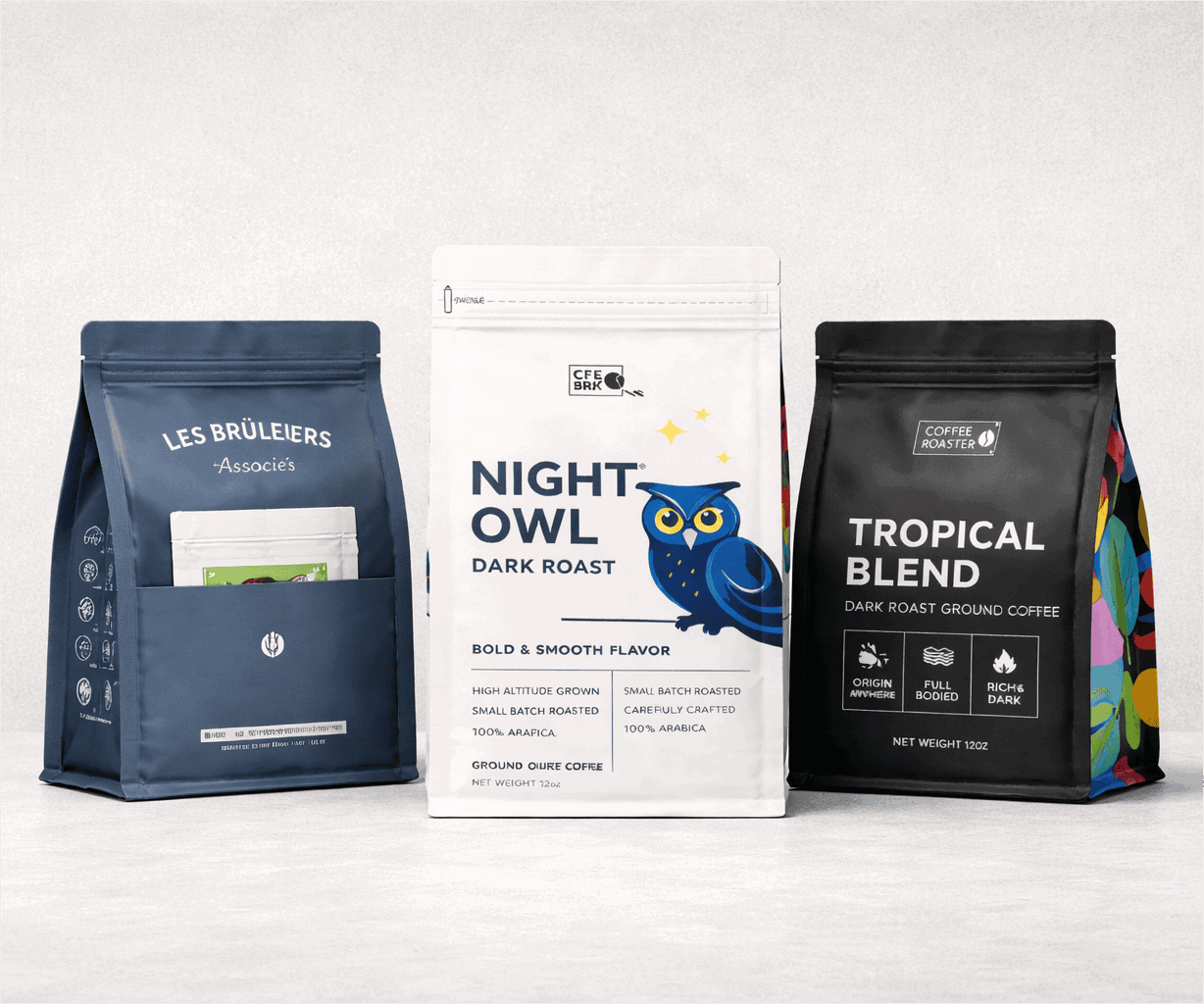
Flat bottom bags can be customized with different opening, resealing, and venting features. The right combination depends on the product, filling method, and how the package will be opened and used.
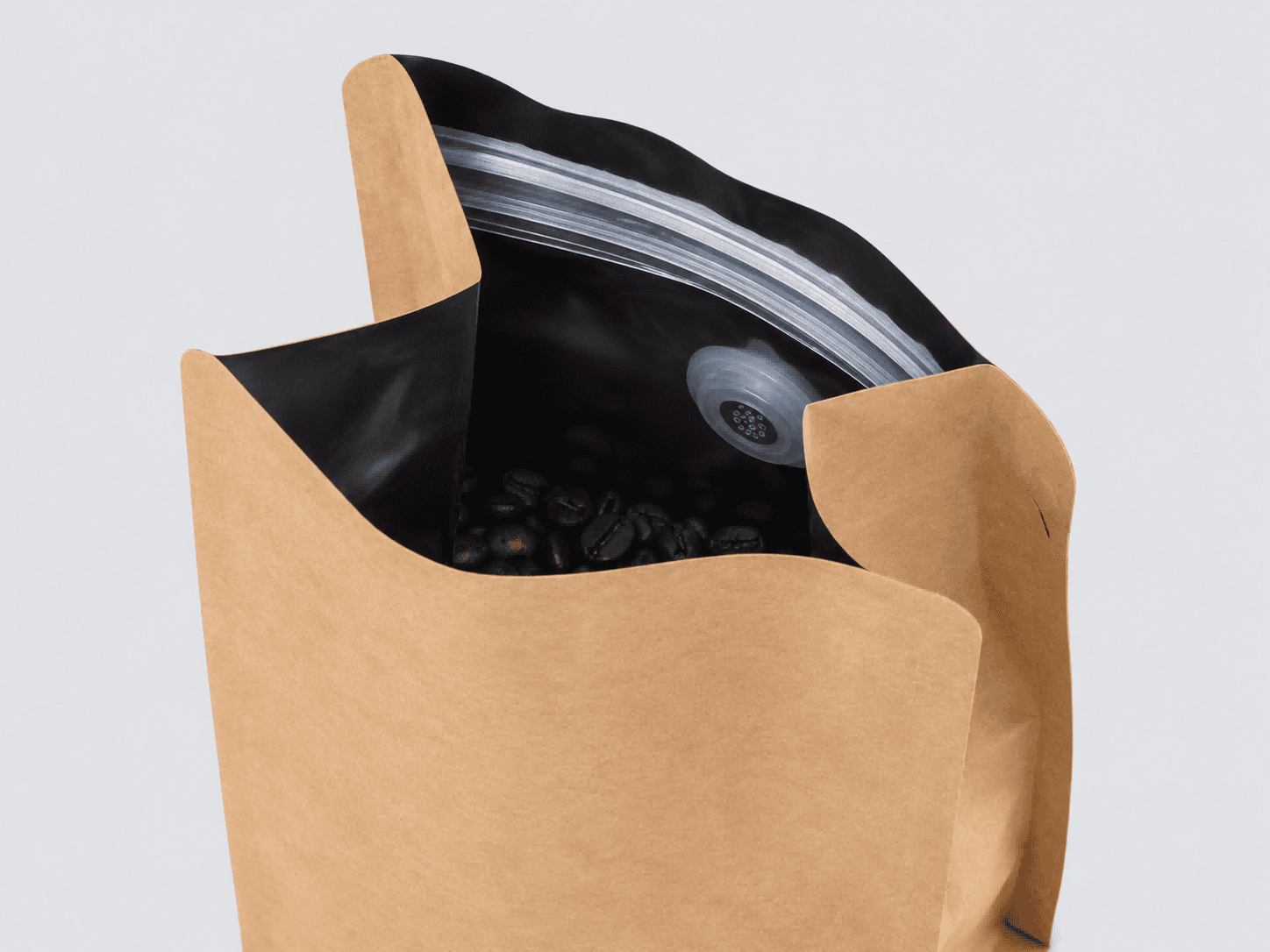
Zipper closures allow consumers to reopen and close the bag after its initial opening. The zipper position and type should be matched to the filling and sealing process.
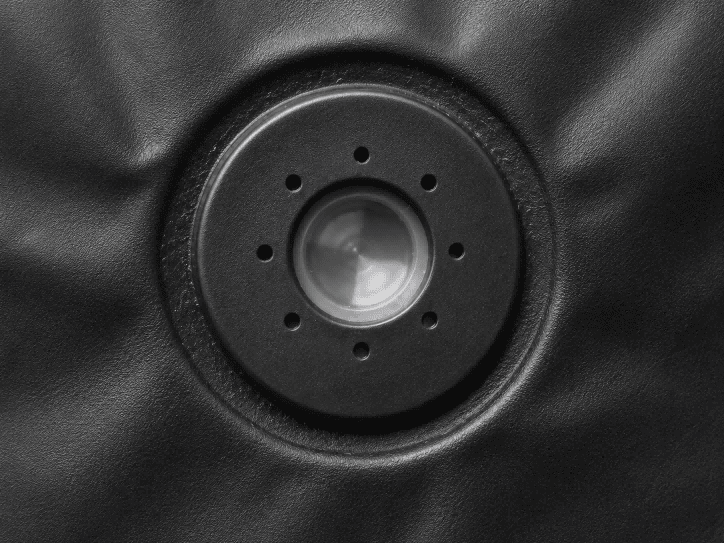
Degassing valves are commonly used for roasted coffee packaging to release gases from inside the bag. Valve selection and placement should suit the product and packing conditions.
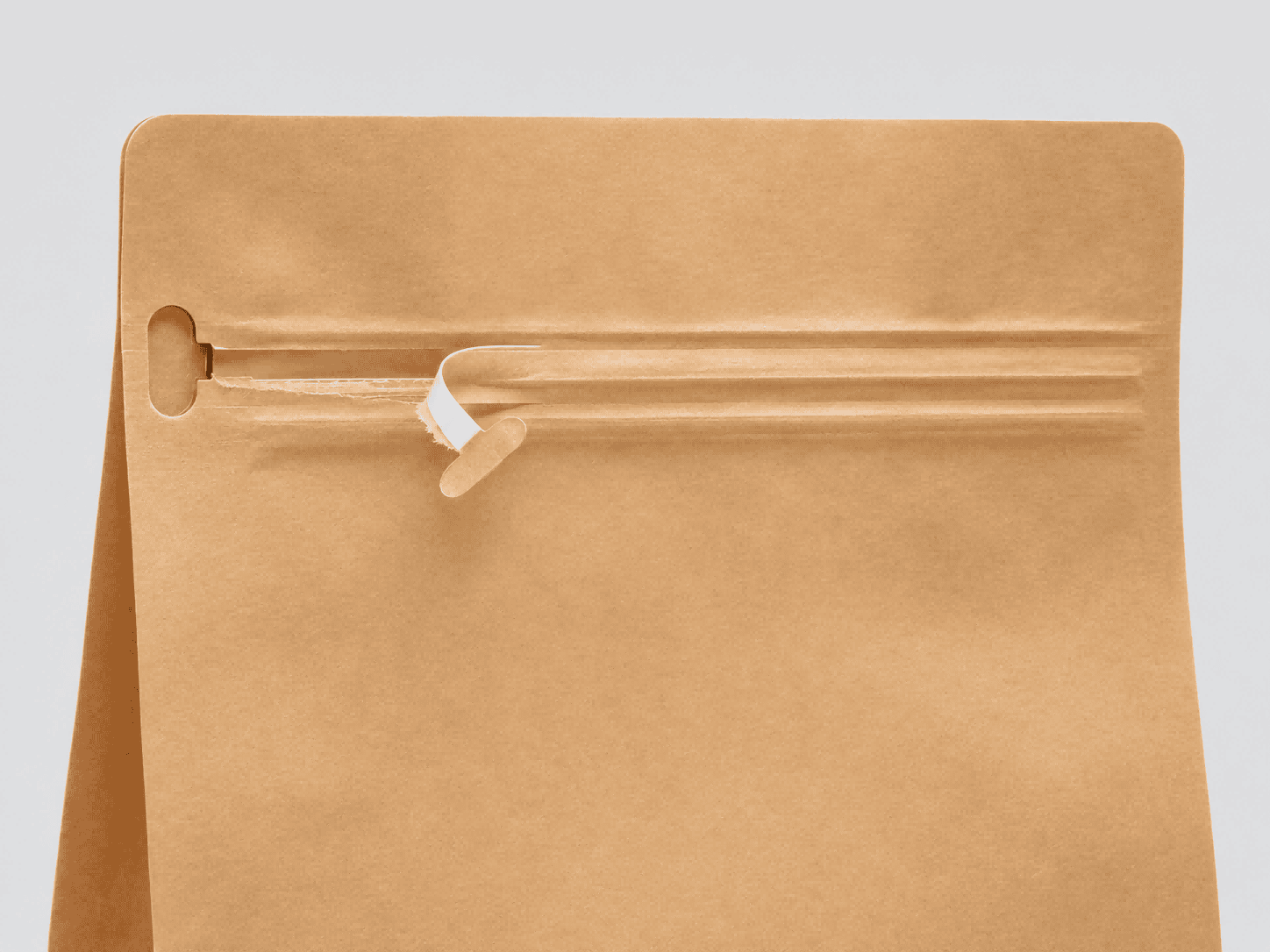
Tear strips and other opening features can make the initial opening more convenient. Their design must be compatible with the bag material, closure, and sealing area.
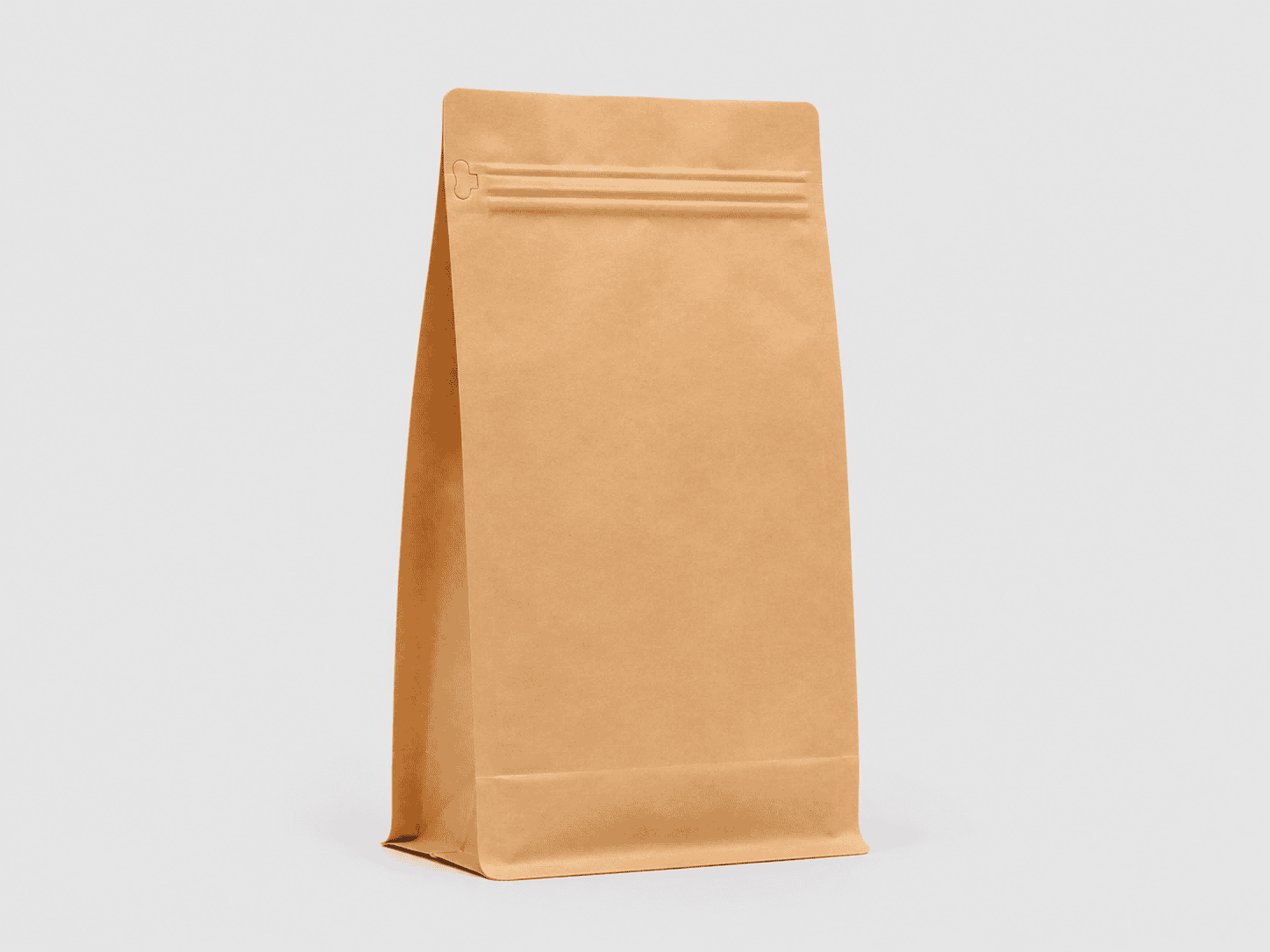
The finished bag should provide enough space for its closure and final seal. These details are reviewed together with the gussets, bag dimensions, and filling requirements.
Printing and surface finishes influence how a flat bottom bag looks and feels. Artwork, color requirements, film selection, and production quantity should be reviewed before confirming the printing method and final appearance.
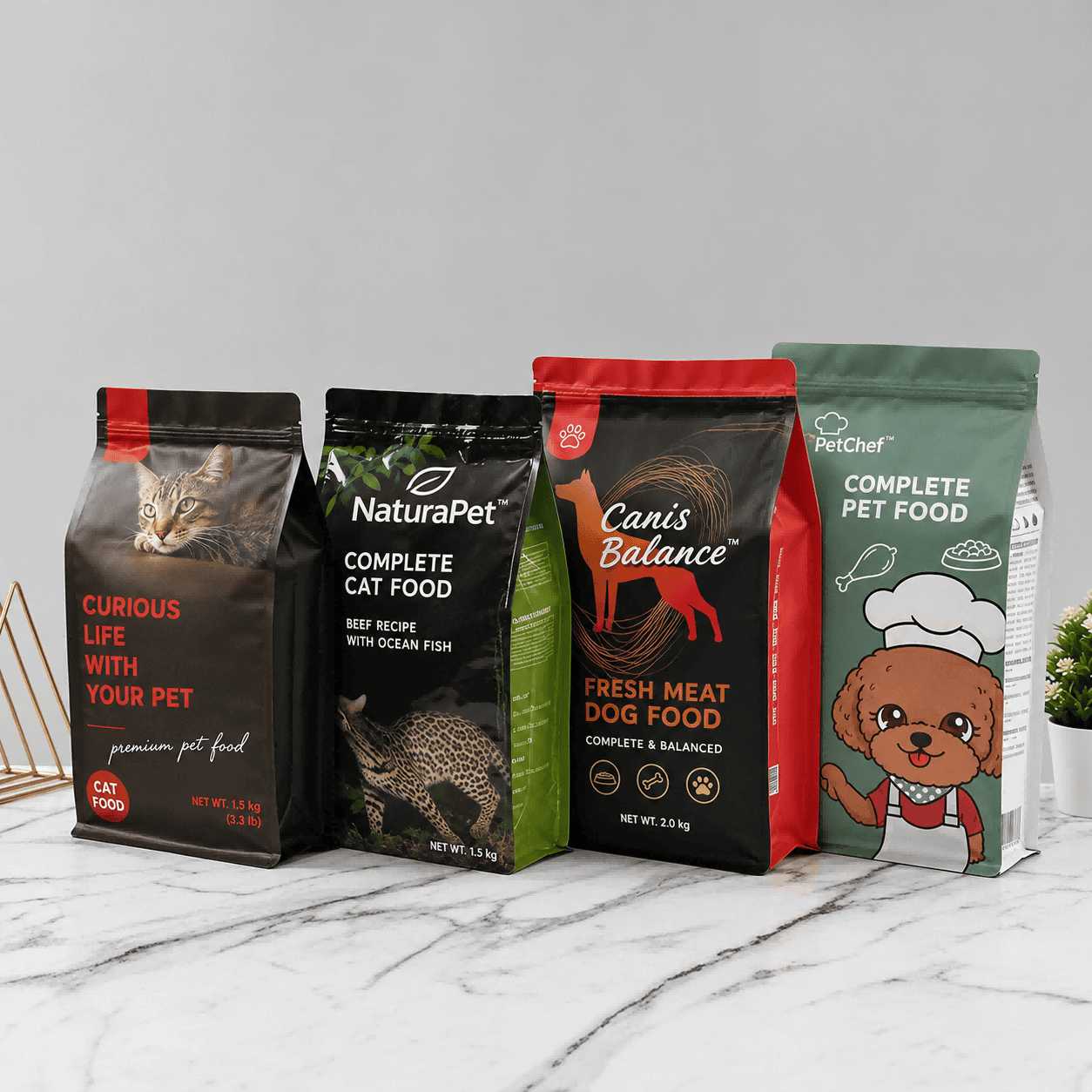
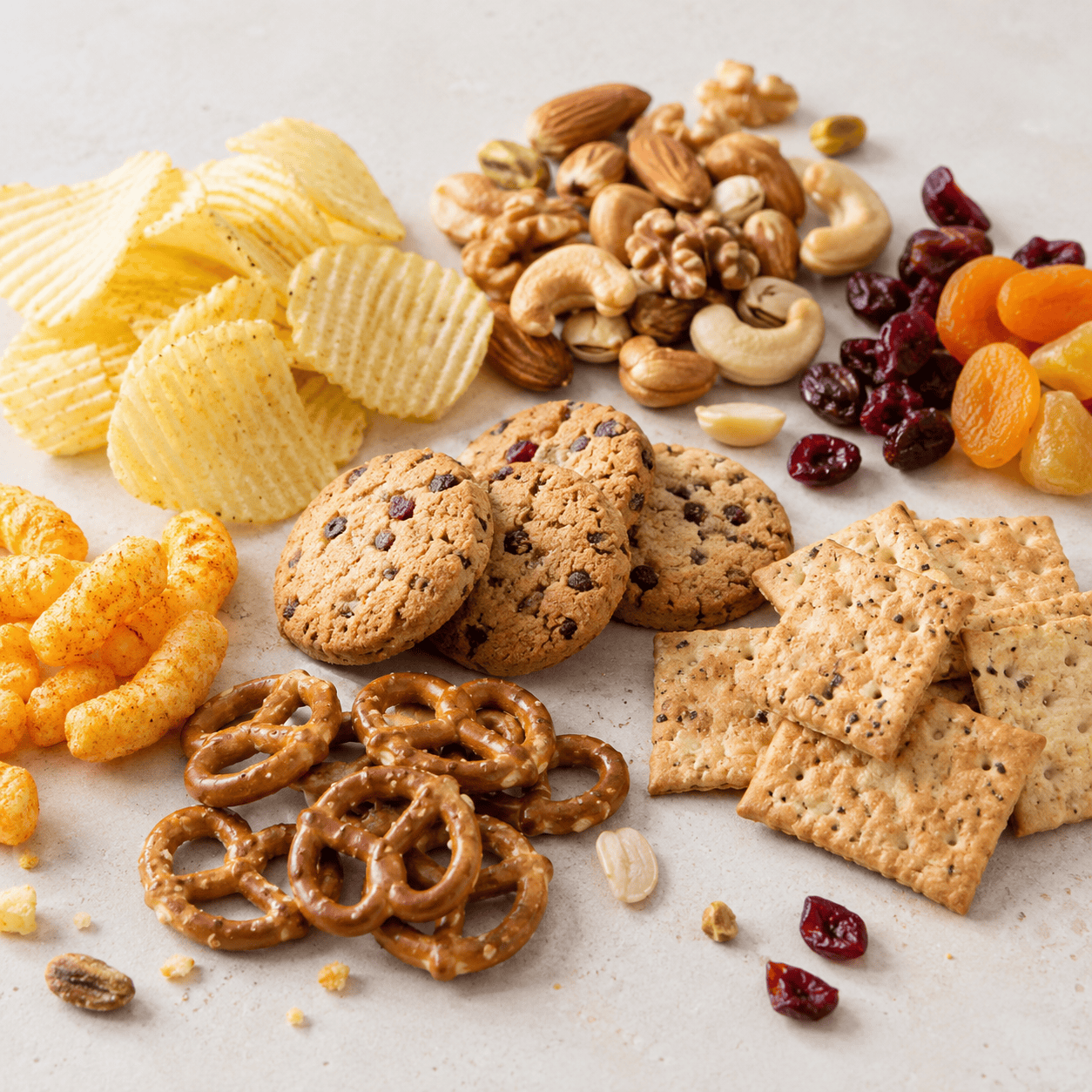
Explore flat bottom bag packaging for coffee, pet food, snacks, and other dry products.
Flat bottom bags are widely used for coffee, pet food, snacks, powders, granola, dried fruit, nuts, and other dry products that benefit from a more stable shelf presence and a cleaner retail presentation.
Yes. Material structures can be selected based on the product’s sensitivity to moisture, oxygen, aroma loss, or light. The right option depends on the product itself, target shelf life, filling conditions, and packaging goals.
Common custom options include different bag sizes, matte or gloss finishes, custom printing, resealable zippers, tear notches, degassing valves, rounded corners, and clear windows, depending on the product and final packaging design.
Yes. Their structured shape, flat base, and larger printable panel area make them a strong choice for brands that want a more premium shelf look and a more organized product presentation.
Please share your required bag dimensions, product type, estimated filling weight, material or barrier requirements, printing artwork, closure features, order quantity, and delivery destination. If the final specifications are not confirmed, a reference bag or product sample can help us review the requirements before quotation.
Yes. Samples can be arranged to check bag dimensions, filling capacity, material appearance, and closure performance before bulk production. Sampling costs and lead times depend on whether you need an existing bag sample or a custom-made sample. These details will be confirmed before sampling.
DISCUSS YOUR FLAT BOTTOM BAG PROJECT
Tell us what you are packing, the target filling weight, preferred bag dimensions, material requirements, and estimated order quantity. Include your artwork and any zipper, valve, or other closure requirements. If you already have a bag sample or specification drawing, send it with your inquiry so we can review the details before preparing a quotation.
PaperMyna uses essential cookies to make this website work. With your consent, we also use optional cookies to understand how visitors use our site and improve your experience. You can accept all, reject non-essential cookies, or manage your preferences at any time.