
How Long Does Thermal Paper Last? Storage and Shelf Life Guide

THERMAL PAPER STORAGE GUIDE

How Storage Conditions Affect Thermal Paper Performance

Thermal paper is designed to react to heat, which also means that storage conditions can affect both unused rolls and printed receipts. Excessive heat, direct sunlight, moisture, oils, and certain plastic materials may reduce print clarity or cause the paper to discolor over time.

This guide explains how to store thermal paper rolls, manage bulk inventory, reduce premature fading, and protect printed receipts that need to remain readable for business or record-keeping purposes.

  • Storage recommendations for unused thermal paper rolls
  • Common causes of fading, discoloration, and image loss
  • Practical ways to preserve printed thermal receipts
Explore Thermal Receipt Paper Rolls
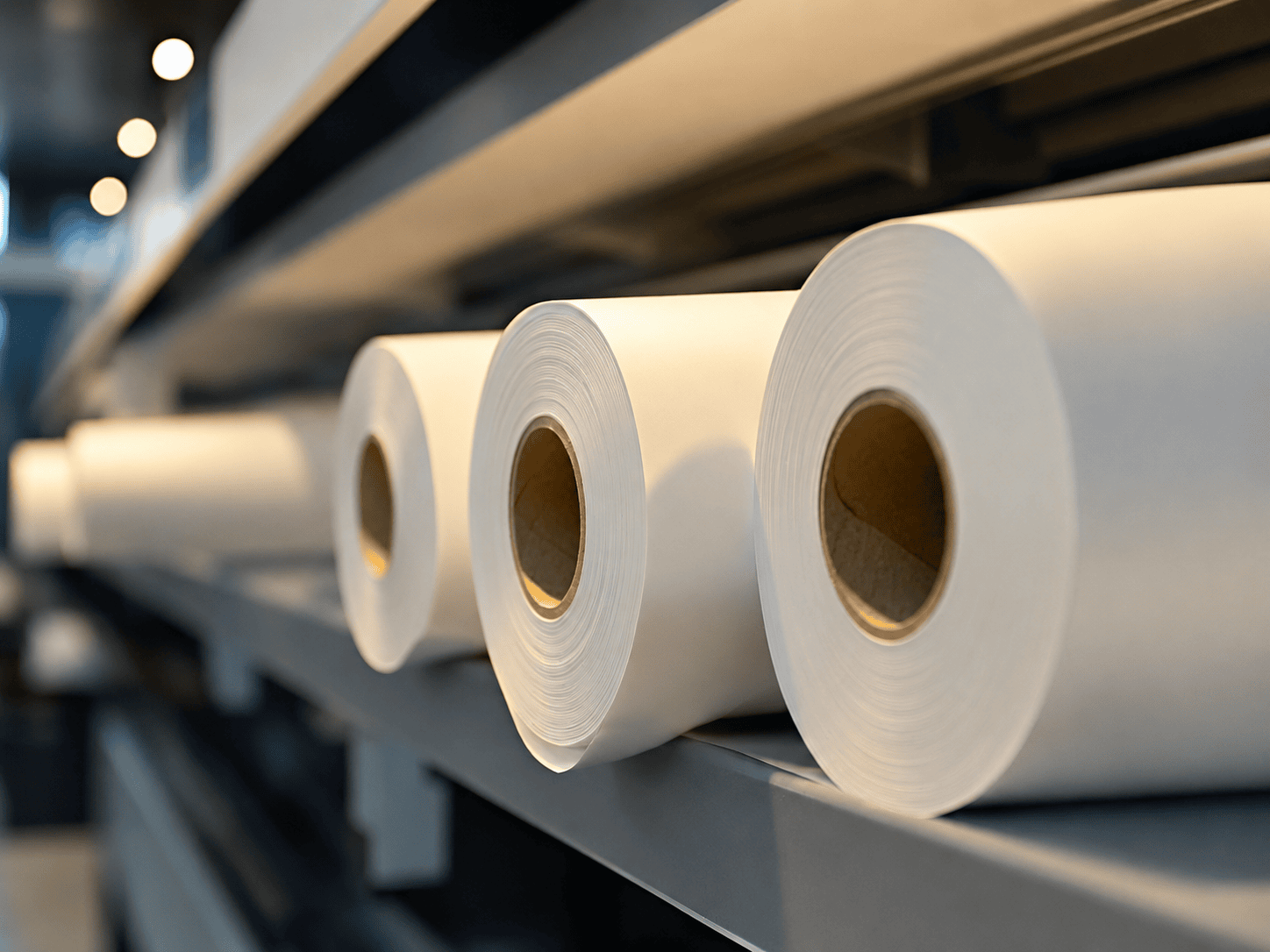
Thermal paper rolls stored on warehouse shelving

WHY THERMAL PAPER FADES

Why Thermal Paper Can Lose Print Clarity Over Time

Thermal paper uses a heat-sensitive coating to create text and images without ink or toner. That coating remains responsive after printing, so unsuitable storage conditions can gradually reduce contrast, discolor the paper, or make important receipt information harder to read.
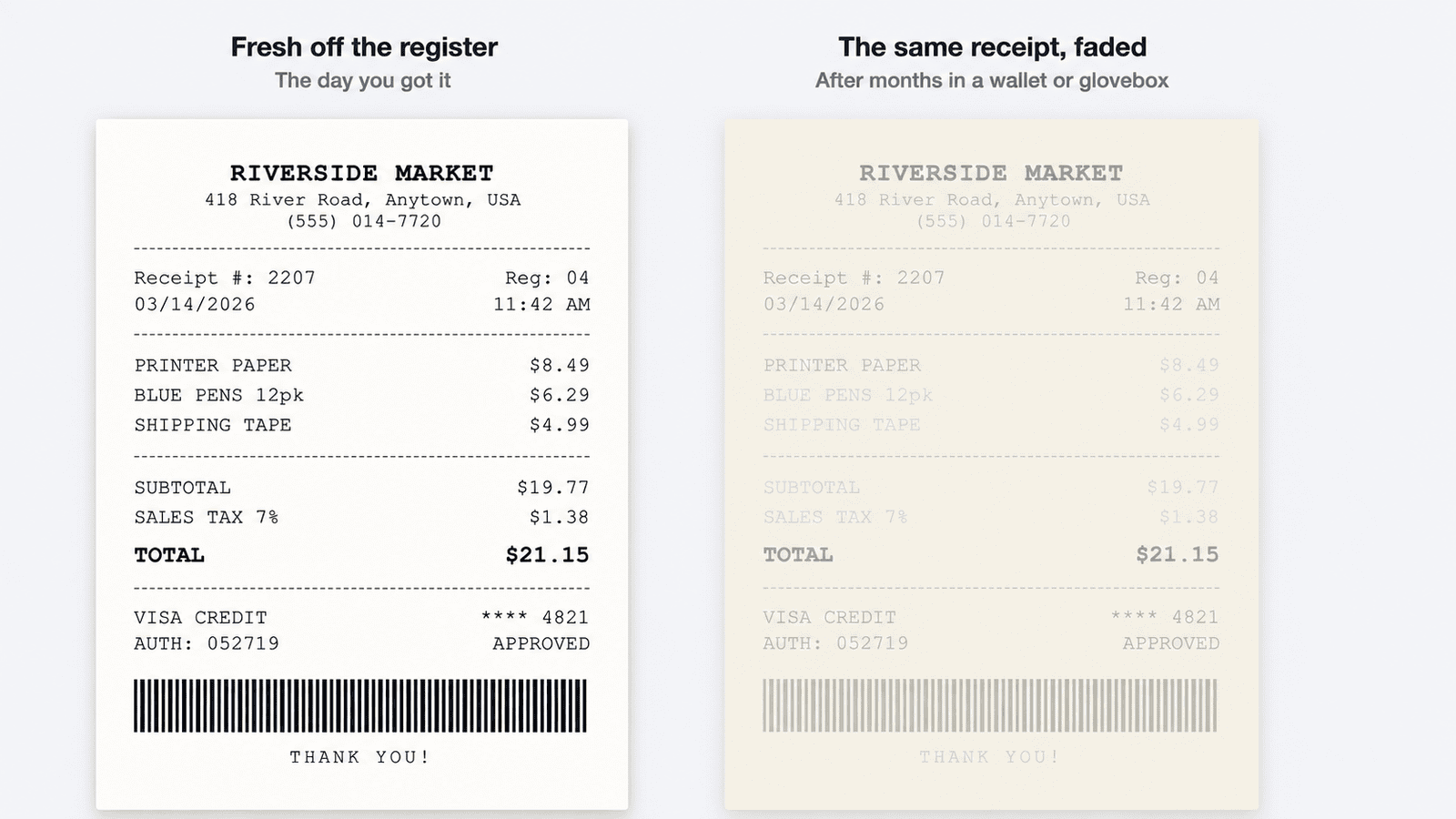
Clear and faded thermal receipts shown side by side

The Printed Image Remains Sensitive After Printing

A thermal printer applies controlled heat to selected areas of the paper. Once the receipt leaves the printer, the coated surface can still be affected by environmental exposure and contact with unsuitable materials.

  • Heat: High temperatures may darken the paper or reduce the contrast between the printed image and the surrounding surface.
  • Sunlight and UV exposure: Prolonged light exposure can weaken printed details and accelerate fading.
  • Oils and chemicals: Grease, cleaning products, solvents, and similar substances may disturb the heat-sensitive coating.
  • Unsuitable contact materials: Some plastics, adhesives, and storage sleeves may affect receipt stability during long-term contact.

The rate of change depends on the paper grade, coating quality, storage environment, and how the printed receipt is handled after use.

STORING UNUSED PAPER ROLLS

How to Store Unused Thermal Paper Rolls

Unused thermal paper should be protected from heat, moisture, direct sunlight, and surface contamination. A consistent storage routine helps preserve the heat-sensitive coating, maintain reliable print quality, and reduce unnecessary paper waste during long-term inventory management.

Maintain a Cool, Stable Environment

Store thermal paper away from heaters, production equipment, hot vehicles, and other sources of elevated temperature. Stable indoor conditions help reduce premature darkening and changes to the coated paper surface.

Control Moisture and Humidity

Keep cartons in a clean, dry location and protect them from condensation, water leaks, and direct floor contact. Excess moisture may affect paper flatness, feeding performance, and printing consistency.

Avoid Sunlight and Strong UV Exposure

Do not place unused rolls beside windows or under strong UV-producing lights. Long-term exposure may affect the stability of the thermal coating before the rolls are installed in a printer.

Keep Rolls in Protective Packaging

Leave unused rolls in their original cartons or protective wrapping until required. Closed packaging helps limit dust, handling damage, oils, chemicals, and contact with materials that may affect the thermal coating.

THERMAL PAPER SHELF LIFE

How Long Can Thermal Paper Remain Usable in Storage?

Thermal paper does not have one universal storage period that applies to every roll. Its usable shelf life depends on the paper grade, protective packaging, warehouse conditions, and how the inventory is handled before it is installed in a printer.
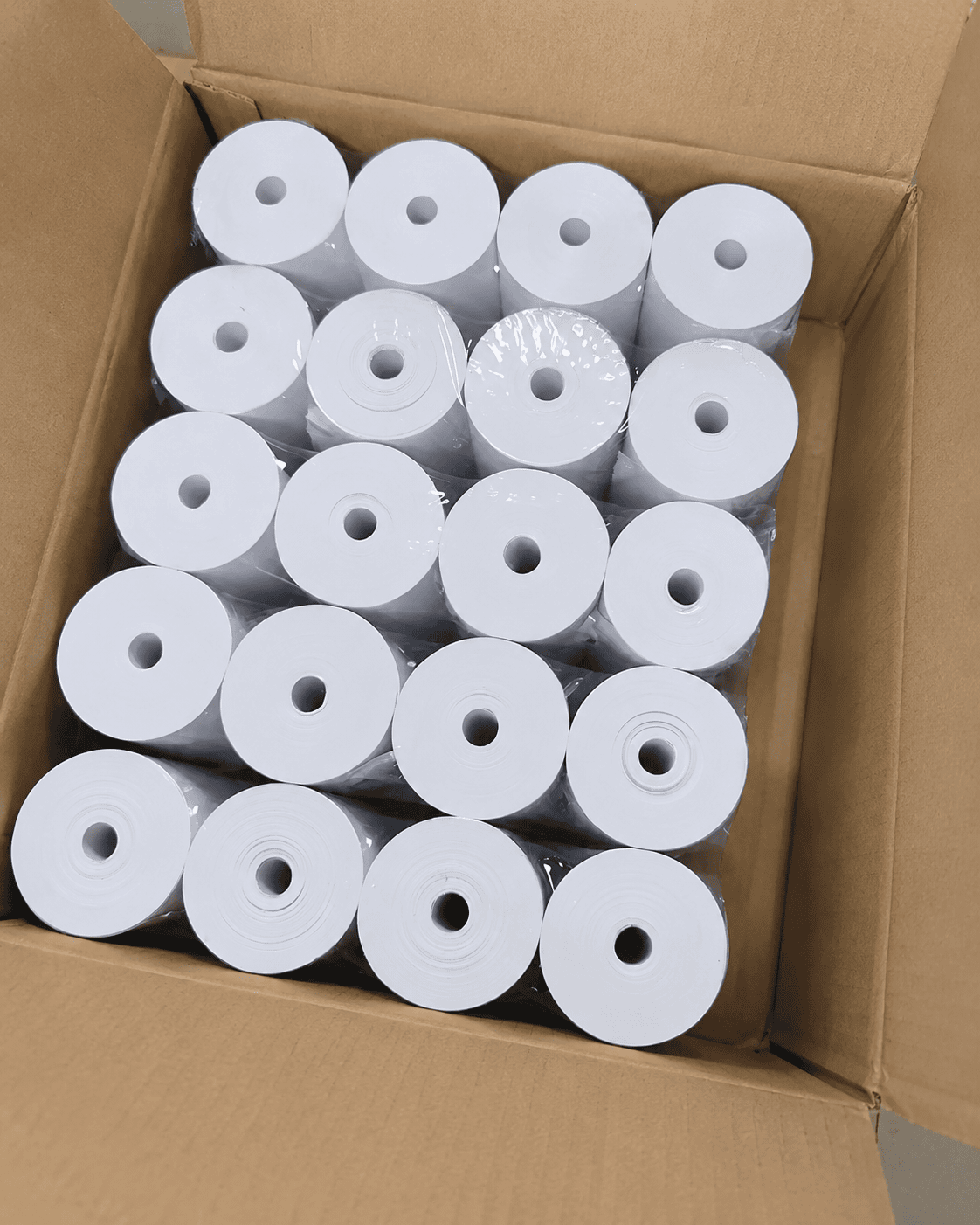
Packaged thermal paper rolls stored as warehouse inventory
Treat Shelf Life as a Condition-Based Estimate A roll may still look clean after extended storage, but appearance alone does not confirm printing performance. Coating quality, temperature, humidity, light exposure, and packaging condition all influence whether older inventory remains suitable for use.
Rotate and Inspect Stored Inventory Record delivery dates and use older cartons first. Before opening stored stock, check for damaged wrapping, wet cartons, dust, crushed cores, discoloration, or signs that the rolls have been exposed to excessive heat.
Test Older Rolls Before Daily Use Run a practical print test to confirm image density, paper feeding, cutting, and overall readability. For more information about roll dimensions and printer compatibility, see our thermal receipt paper roll selection guide .

How to Protect Printed Thermal Receipts from Fading

Printed thermal receipts remain sensitive to heat, sunlight, moisture, chemicals, oils, and certain contact materials. Careful handling and storage can slow image loss and help transaction details remain readable for longer.

Store Receipts in a Cool, Dark Place

Keep printed receipts away from windows, heaters, vehicle dashboards, kitchen equipment, and other areas exposed to direct sunlight or elevated temperatures. Stable indoor conditions help preserve print contrast.

Avoid Tape, Adhesives, and PVC Contact

Do not place adhesive tape directly over printed information. Some plastic sleeves, plasticizers, glues, and similar storage materials may interact with the thermal coating and gradually reduce readability.

Keep Receipts Away from Oils and Solvents

Protect receipts from cooking oils, hand creams, alcohol, cleaning fluids, fuel, and other chemical substances. Contact may discolor the surface, weaken printed details, or create unwanted dark marks.

Create a Digital Copy for Important Records

Scan or photograph receipts required for accounting, warranties, reimbursements, or compliance records. A digital copy provides additional protection if the original thermal image becomes difficult to read.

Frequently Asked Questions About Thermal Paper Storage and Shelf Life

These common questions explain how to store unused thermal paper rolls, reduce receipt fading, manage older inventory, and protect important printed records.

There is no single shelf-life period for every thermal paper roll. Usable storage life depends on the paper grade, coating quality, packaging condition, temperature, humidity, and exposure to light or chemicals. Follow the supplier’s specifications and test older inventory before regular use.

Keep unused rolls in their original packaging in a cool, dry, and dark indoor area. Protect cartons from direct sunlight, heaters, moisture, dust, oils, chemicals, and direct contact with the floor.

Thermal receipts use a heat-sensitive coating that can continue reacting after printing. Heat, sunlight, UV exposure, oils, solvents, adhesives, and unsuitable plastic materials may reduce print contrast or discolor the paper.

A severely faded thermal image usually cannot be restored reliably. For receipts needed for accounting, warranties, reimbursements, or compliance, create a scan or photograph while the printed information is still clear.

Some plastic sleeves contain plasticizers or other materials that may affect the thermal coating during long-term contact. Use storage materials recommended for document archiving and avoid placing adhesive tape directly over printed information.

Record delivery dates, rotate stock using older cartons first, inspect packaging before use, and run a print test. Check image density, feeding, cutting, and readability before placing older rolls into daily POS operations.

CUSTOM THERMAL PAPER ROLLS

Need Reliable Thermal Receipt Paper Rolls for Your POS System?

PaperMyna supplies thermal receipt paper rolls for POS terminals, cash registers, receipt printers, kiosks, and other thermal printing applications. Share your printer model, roll width, roll diameter, core size, paper grade, packaging requirements, and order quantity, and our team can help confirm a practical receipt paper specification.

Request a Quote Explore Thermal Paper Rolls

What to Prepare

Printer model Roll width Roll diameter Core size Paper grade Printed or blank Packing method Order quantity