
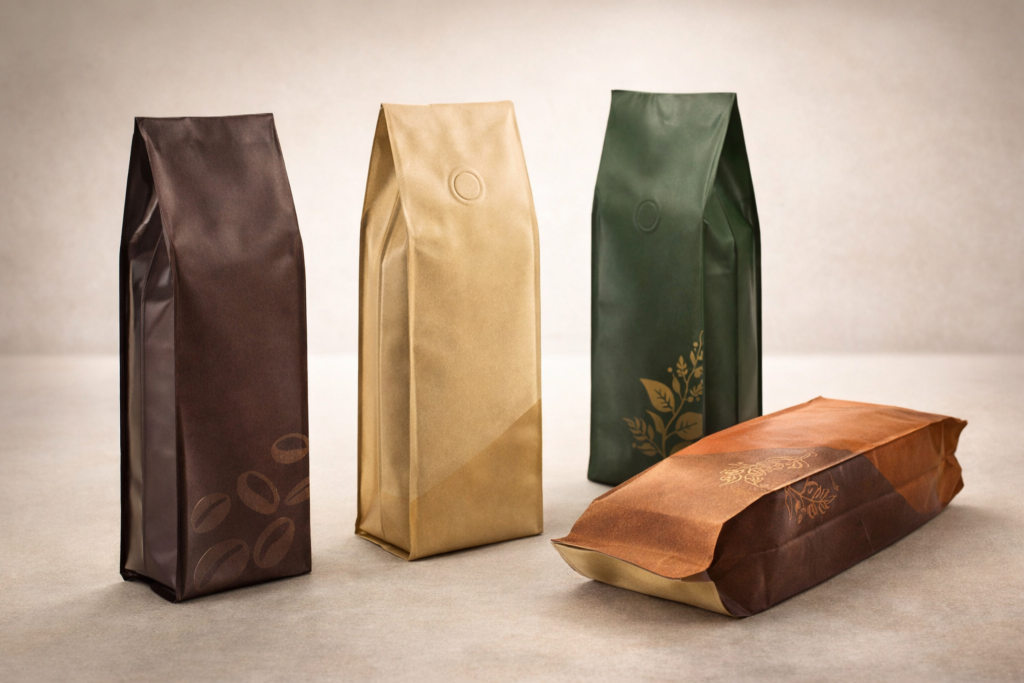
Quad seal bag packaging is a practical option for products that need a more structured shape, stronger shelf presence, and clearer panel definition than many standard pouch formats. Because of its four sealed vertical corners and side gussets, this format creates a taller, more organized look that works especially well for dry products sold in retail environments.
It is commonly used for coffee, pet food, protein powders, grains, nuts, and other products that benefit from a stable pack shape and a more premium presentation. While not every product requires this kind of structure, quad seal bags are often a strong fit when brands want better shelf impact, cleaner branding surfaces, and a package that feels more substantial in the hand.
In this guide, we will look at the types of products that are best suited for quad seal bag packaging and why this format is often chosen for dry goods, premium retail products, and applications where packaging appearance matters as much as protection.
Why Product Fit Matters in Quad Seal Bag Packaging
Choosing the right pouch format is not only about appearance. Product weight, filling style, storage needs, and retail positioning all influence whether a quad seal bag is the right fit. Some products need a package that feels more structured and stable, while others benefit from a pouch that can present the contents in a cleaner and more premium way.
Quad seal bags are especially useful for products that are sold as dry goods and need stronger shelf shape, clearer front and side panels, and better visual organization. This is why they are often used for coffee, powders, grains, pet food, nuts, and similar product categories where both presentation and pack performance matter.
Pet Food, Powders, and Other High-Volume Dry Products
Pet food, powders, and other high-volume dry products are also well suited to quad seal bag packaging. These categories often need a pouch that looks more structured, stands neatly on shelf, and presents larger fill volumes in a cleaner, more organized way.
Pet Food
Quad seal bags are often used for pet food because they create a stronger and more stable shelf presentation. The structured shape also gives brands clearer space for product information, feeding details, and a more premium retail appearance.
Powders and Dry Mixes
Protein powders, drink mixes, and baking blends can also benefit from quad seal bag packaging. The format helps these products look cleaner and more reliable while supporting better panel definition for branding and product communication.
Other High-Volume Dry Goods
Grains, cereals, seeds, and other bulk dry products are also a good match for quad seal bags. When brands want to combine practical pack capacity with a more polished shelf look, this format often offers a useful balance of structure and presentation.
When Quad Seal Bags Make More Sense Than Other Pouch Formats
Not every product needs a quad seal bag, but some packaging goals make this format a much better fit than simpler pouch styles. When brands need a pack that looks taller, feels more structured, and offers clearer side and front panels, quad seal bag packaging often becomes a practical choice.
This is especially true for products that are sold in competitive retail environments. Coffee, pet food, protein powders, grains, dry snacks, and other shelf-displayed goods often benefit from packaging that looks more organized and substantial. A quad seal bag helps create that effect while still keeping the flexibility advantages of pouch packaging.
Compared with lighter or less structured pouch formats, quad seal bags are often chosen when presentation matters almost as much as protection. They can help products look more premium, improve how printed information is arranged, and support a cleaner overall pack appearance for medium- to high-volume dry goods.
Quad Seal Bag vs Other Popular Pouch Formats
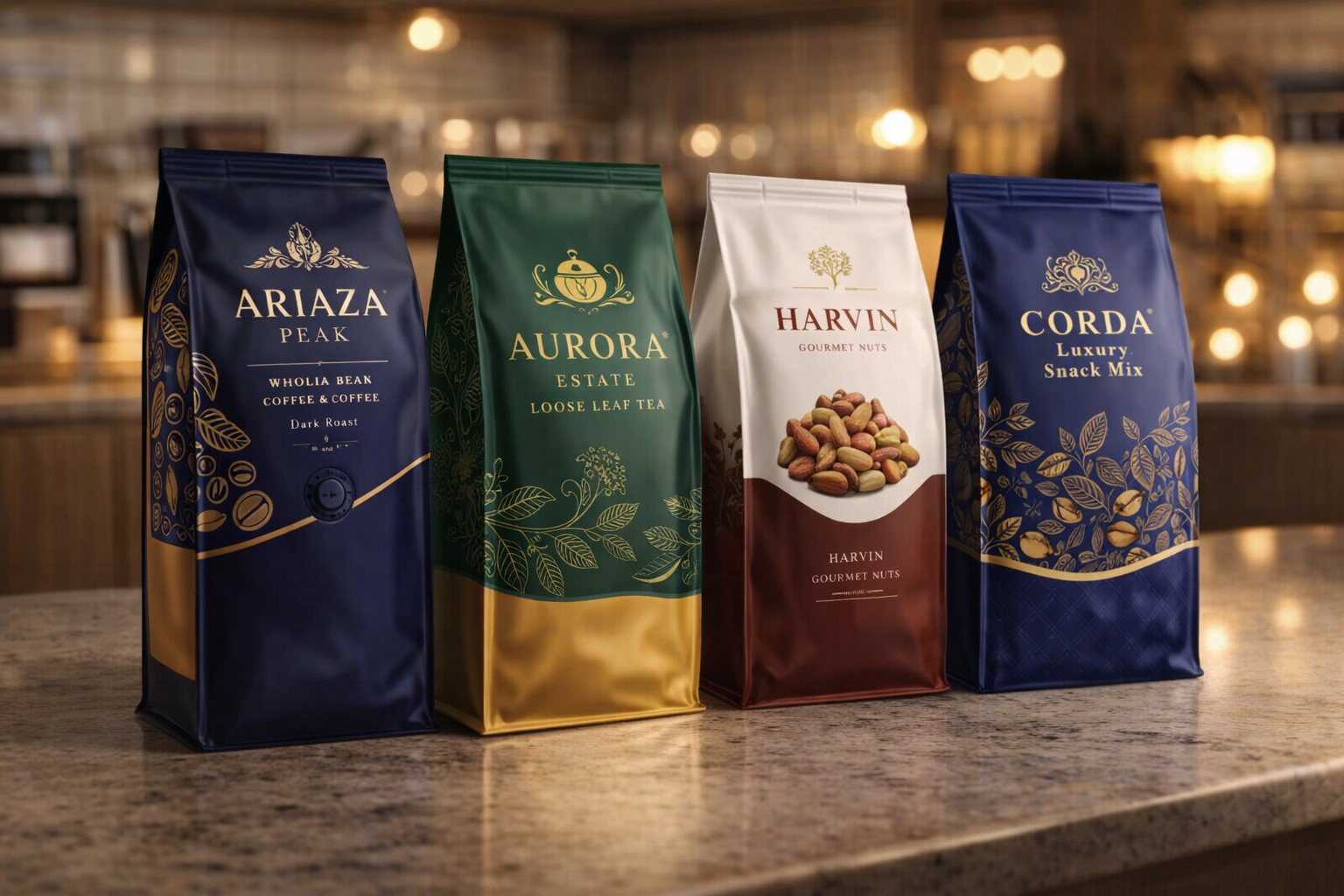
Quad seal bags are often selected when a product needs more structure, better shelf presence, and a cleaner panel layout than many standard flexible pouch formats can offer. While other pouch styles may work well for lighter, simpler, or more cost-sensitive applications, quad seal bags are usually a better fit when brands want a more premium and organized presentation.
Compared with Stand Up Pouches
Stand up pouches are widely used because they are flexible, efficient, and suitable for many product categories. However, quad seal bags usually provide a taller and more defined shape, clearer side panels, and a more structured appearance on shelf. For products that benefit from a more substantial pack look, quad seal bags often feel more premium.
Compared with Flat Pouches
Flat pouches work well for samples, single-use packs, compact dry goods, and smaller retail formats. Quad seal bags are generally better suited for products that need larger filling volume, stronger visual presence, and a pouch structure that looks more organized in display settings. They are often chosen when flat packaging feels too simple for the product positioning.
Compared with Flat Bottom Bags
Flat bottom bags also offer strong shelf stability and a premium appearance, but quad seal bags are often preferred when brands want a balance between structured presentation and flexible pouch efficiency. They can deliver a refined retail look without requiring the same box-like bottom profile, making them a practical option for many coffee, pet food, grain, and powder products.
Common Custom Options for Quad Seal Bag Packaging
One reason quad seal bag packaging is widely used across coffee, pet food, powders, grains, and other dry products is its flexibility in customization. Beyond the pouch shape itself, brands can adjust material structure, finish, opening features, and valve options based on product needs, shelf goals, and filling requirements.
These custom details can improve both presentation and pack performance. The right combination depends on the product category, barrier expectations, retail positioning, and how the pouch will be handled during transport, storage, and end use.
Material Structure
Different products require different barrier and sealing performance. Quad seal bags can be produced with structures designed for aroma protection, moisture resistance, puncture strength, or general dry product packaging needs.
Surface Finish
Matte, glossy, soft-touch, and other finish options can change how the pack looks and feels in hand. Brands often use these finishes to create a more premium shelf appearance or a cleaner visual style.
Opening Features
Tear notches, resealable zippers, and similar convenience features can improve usability for consumers. These options are especially useful for products that are opened and reclosed multiple times after purchase.
Degassing Valves and Add-Ons
For products such as roasted coffee, quad seal bags can also include one-way degassing valves and other functional details. This helps brands match the pouch more closely to product behavior and market expectations.
How to Know If a Quad Seal Bag Is the Right Choice
The best choice still depends on product weight, fill volume, material structure, packing method, and market positioning. If those requirements point toward a pack that needs structure without losing the efficiency of flexible packaging, a quad seal bag is often worth considering. For a closer look at quad seal bag options, materials, and custom features, you can explore more here.
Frequently Asked Questions About Quad Seal Bag Packaging
Quad seal bag packaging is best suited for coffee, pet food, powders, grains, nuts, snacks, tea, and other dry goods that benefit from a more structured shape and stronger shelf presence. It is especially useful for products that need a more premium presentation and clearer panel organization.
Not always. Stand up pouches work well for many products, but quad seal bags are often a better choice when brands want a taller, more defined package with a more substantial retail appearance. The right format depends on product weight, filling needs, branding goals, and shelf presentation requirements.
Yes. Quad seal bags can be customized with different material structures, finishes, zippers, tear notches, and product-specific add-ons such as degassing valves. These options help brands match the packaging to product protection needs, user convenience, and market positioning.