
Tea Packaging Guide: Pouches, Tea Bags & Custom Formats

TEA PACKAGING GUIDE

Tea Packaging Starts With the Way Your Product Is Sold

Tea packaging needs to do more than create an attractive retail look. It needs to protect flavour and aroma, keep tea leaves or tea bags in good condition, and fit the way the product will be filled, displayed, shipped, and used.

From loose leaf blends and single-serve tea bags to matcha sticks and gift sets, the right format depends on barrier needs, product volume, reseal requirements, filling method, and the experience you want to create for customers.

This guide explains the main packaging options and the practical choices behind them. For project-specific formats, explore our coffee and tea packaging solutions .
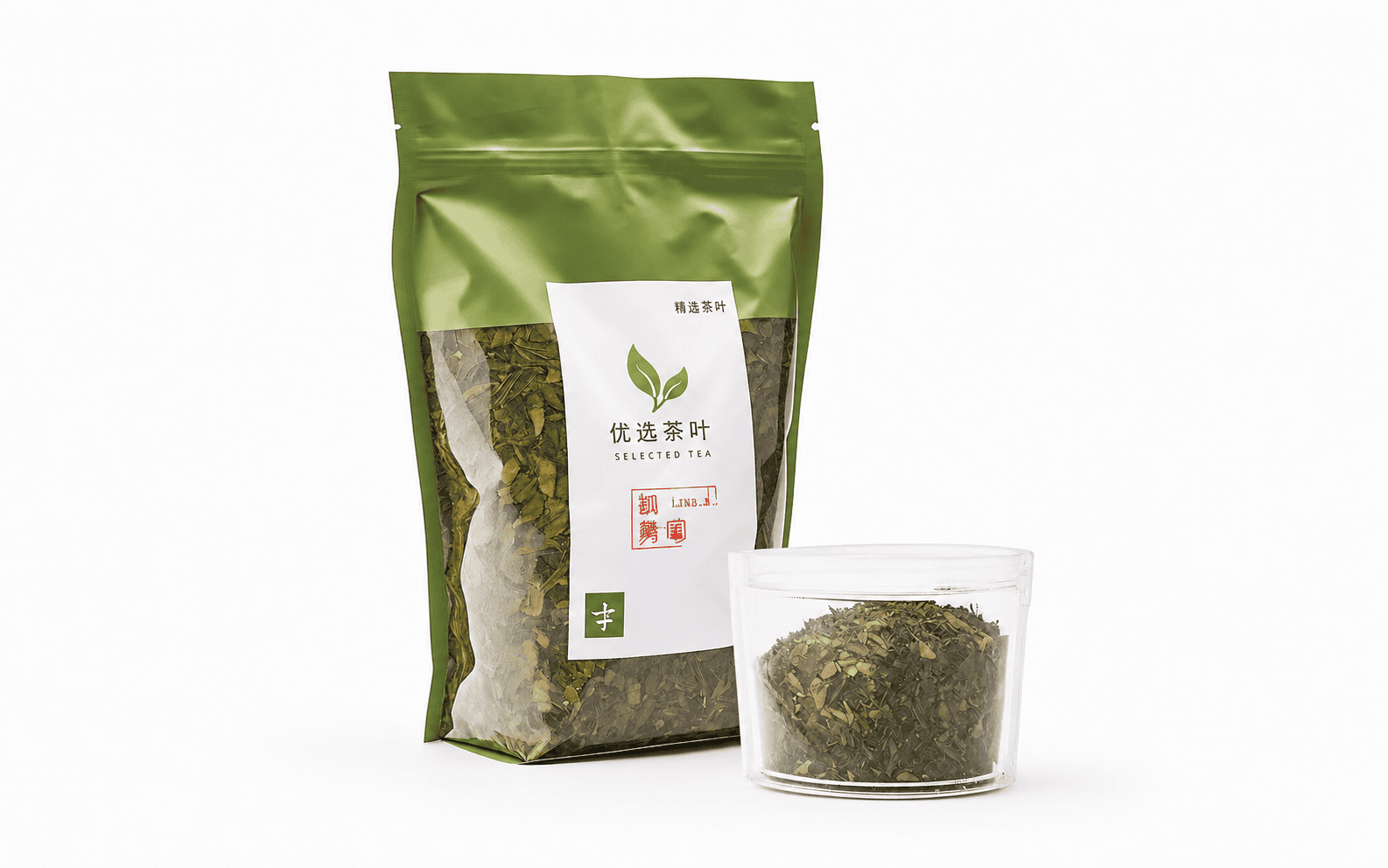
Resealable loose leaf tea packaging pouch with a clear window and dried tea leaves
Resealable loose leaf tea pouch packaging with a clear product window.

FORMAT SELECTION

Tea Packaging Formats at a Glance

The right tea packaging format depends on how the product is portioned, protected, presented, and sold. These examples show practical options for loose leaf tea, tea bags, matcha, and retail gift collections.
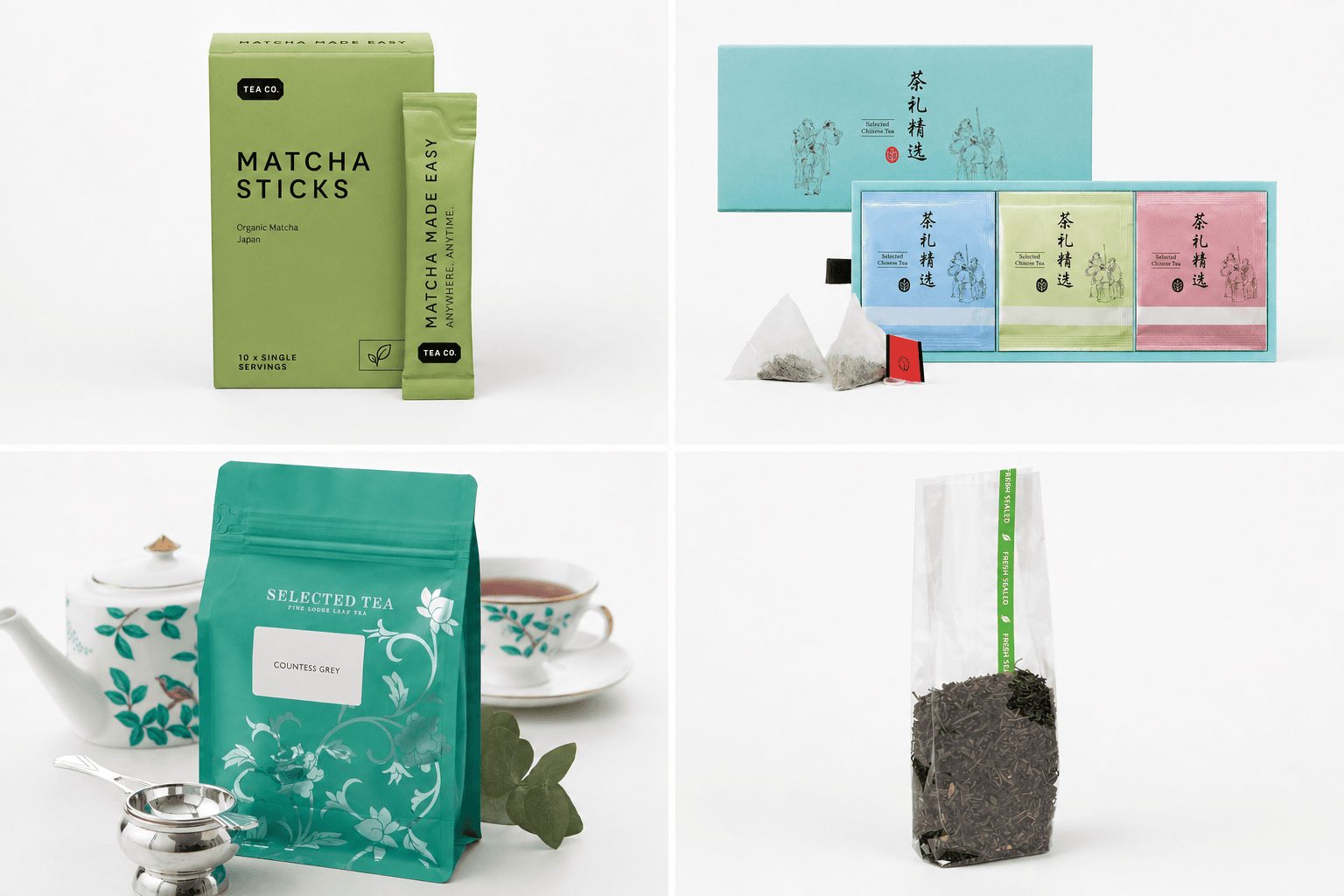
Tea packaging examples showing matcha stick packs, tea bag gift packaging, a loose leaf tea pouch, and a clear tea bag
Tea packaging examples for matcha portions, tea bags, loose leaf tea, and retail gift sets.

Matcha Stick Packs

Stick packs provide a measured single serving for matcha and instant tea powders. They are compact, convenient for travel, and easy to group into cartons or retail multipacks.

Tea Bags & Gift Sets

Individually packed tea bags help protect freshness and support portion control. A presentation box adds value for premium ranges, seasonal gifts, and specialty tea collections.

Resealable Loose Leaf Pouches

Stand up pouches work well for loose leaf blends that need a practical retail format. A zipper closure supports repeat use, while the front panel gives brands strong shelf presentation.

Clear Bags for Loose Leaf Tea

Clear packaging lets customers see the tea leaves before purchase. It can be a good choice when product visibility is important, while material selection still needs to match freshness and storage needs.

Practical tip: Start with the tea itself—its leaf size, portion size, aroma sensitivity, and filling method—then choose the packaging format. One tea brand may use more than one format across its retail range.

BARRIER PROTECTION

What Does Tea Packaging Need to Protect Against?

Tea packaging does not need the same barrier level for every product. The right material structure depends on the tea type, shelf life, storage conditions, and whether the pack will be opened and resealed.

Oxygen & Aroma Loss Exposure to air can gradually reduce freshness and aromatic character. This is especially important for premium loose leaf tea, green tea, herbal blends, and products with a more delicate flavour profile.
Moisture Pickup Tea should stay dry throughout storage and distribution. Good moisture protection helps prevent loss of texture, clumping in powdered tea, and quality changes caused by humid environments.
Light Exposure Clear packaging can improve product visibility, but it may not suit every tea. Products that are more sensitive to light may need an opaque, printed, or metallised barrier layer instead.
Odour Transfer Tea can absorb surrounding odours during storage and transport. A suitable film structure and reliable heat seal help keep the tea isolated from external smells and handling conditions.
Freshness After Opening For loose leaf tea and repeat-use retail packs, a zipper or other reseal feature helps customers close the pouch properly after each use and maintain product quality for longer.

MATERIAL STRUCTURE

How Tea Packaging Film Structures Work

Tea packaging is usually made from more than one material layer. Each layer has a different job: creating the retail appearance, protecting the tea from the outside environment, and forming a reliable sealed pack.

Outer Print & Presentation Layer

The outside layer gives the pack its shelf appearance and printable surface. PET, BOPP, matte films, and paper-look laminates can create different visual effects, from clean everyday retail packs to more premium tea collections.

Barrier Protection Layer

The middle barrier layer helps reduce oxygen, moisture, light, and aroma transfer. Metallised films, aluminium foil, or clear high-barrier films may be selected depending on the tea type and the level of product visibility required.

Heat-Seal & Food-Contact Layer

The inner layer creates the heat seal that forms the pouch and protects the tea inside. It also affects sealing consistency, pouch strength, zipper integration, and how well the package performs during filling and daily use.

PACKAGING FEATURES

Tea Packaging Features That Improve Everyday Use

Once the packaging format and material structure are clear, the next step is choosing features that make the product easier to open, use, display, and repurchase.

FOR REPEAT USE

Convenience Features for Loose Leaf Tea

Loose leaf tea is often used over multiple occasions, so the package should help customers open and close it without making storage more difficult.

  • Zipper closures help customers reseal the pouch after each use.
  • Tear notches create a simple, controlled opening point.
  • Clear windows can show the tea leaves before purchase.
  • Bottom gussets help the pouch stand securely on a shelf.

FOR RETAIL PRESENTATION

Portioning and Premium Presentation

Single-serve and gift-focused tea products need more than basic protection. The packaging should make the product feel organised, practical, and appropriate for its retail position.

  • Individual sachets support portion control and convenient daily use.
  • Stick packs suit matcha and instant tea powders.
  • Cartons and gift boxes add structure for premium collections.
  • Matte finishes and refined print details can strengthen shelf appeal.

PRODUCTION SUPPORT

Turning Tea Packaging Ideas Into Production-Ready Packs

A well-designed tea pack needs to look good on screen and work reliably during filling, sealing, handling, and retail packing. Production review helps connect the packaging concept with the practical conditions of the finished product.

Before production begins, it is important to confirm the pack size, material structure, seal area, product weight, and print layout together. This helps prevent avoidable issues during filling or final packing.

Whether a project uses loose leaf tea pouches, matcha stick packs, or individually wrapped tea bags, the best result comes from reviewing the packaging as a complete system. Explore our coffee and tea packaging solutions for format and project support.
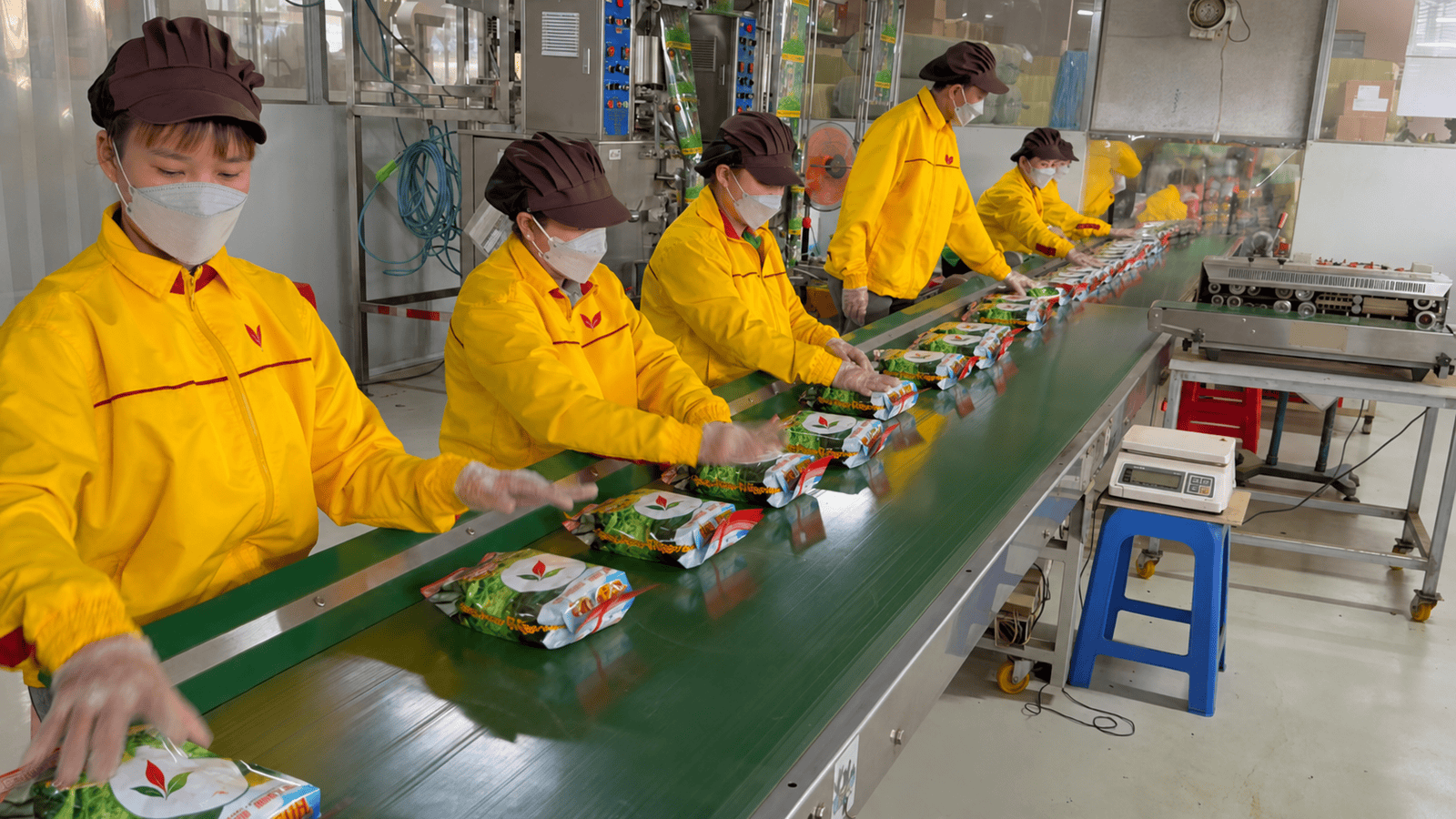
Workers handling packaged tea products on a conveyor line in a food packaging facility

STARTING A PROJECT

What to Prepare Before Requesting a Tea Packaging Quote

A clearer project brief makes it easier to recommend the right tea packaging format, material structure, and printing option. You do not need every detail confirmed before making an enquiry, but these points provide a practical starting point.

01
Tea Type & Pack Weight

Confirm whether the product is loose leaf tea, tea bags, matcha, instant tea powder, or a gift set, together with the intended net weight or single-serve portion size.

02
Preferred Packaging Format

Share the format you are considering, such as a stand up pouch, flat bottom bag, stick pack, individual sachet, carton, or presentation box.

03
Storage & Barrier Requirements

Explain the expected shelf life, storage environment, need for a clear window, and whether the pack needs to be resealed after opening.

04
Artwork & Order Plan

Prepare your artwork if available, along with the number of SKUs, expected order quantity, target market, and any preferred print finish or retail presentation requirement.

Frequently Asked Questions About Tea Packaging

Explore common questions about tea packaging formats, barrier protection, materials, custom features, and how to prepare a tea packaging project.

Resealable stand up pouches and flat bottom bags are common choices for loose leaf tea. The best option depends on pack weight, shelf presentation, barrier needs, and whether customers need to reseal the pack after opening.

It depends on the tea type, target shelf life, storage conditions, and level of aroma protection required. Premium loose leaf tea, matcha, and other aroma-sensitive products often benefit from stronger protection against oxygen, moisture, light, and external odours.

Yes. A clear window can help customers see the tea leaves and improve shelf appeal. However, for light-sensitive products, the window size and film structure should be considered carefully so that product visibility does not reduce protection.

Start with the tea type, net weight, preferred packaging format, storage requirements, order quantity, and artwork if available. These details help determine a suitable pouch size, material structure, print option, and production approach.

CUSTOM TEA PACKAGING

Ready to Develop Custom Tea Packaging?

PaperMyna supports custom tea packaging for loose leaf tea, tea bags, matcha stick packs, and retail gift collections. Share your tea type, net weight, preferred format, storage requirements, artwork, and expected order quantity, and our team can help confirm a practical packaging structure before production.

Request a Quote Explore Tea Packaging

What to Prepare

Tea type Net weight or portion size Preferred packaging format Pouch or carton dimensions Barrier and storage needs Reseal or clear window needs Artwork or design reference Number of SKUs Expected order quantity