
CLEAR COSMETIC LABELS
Why Clear Labels Work So Well for Cosmetic Packaging
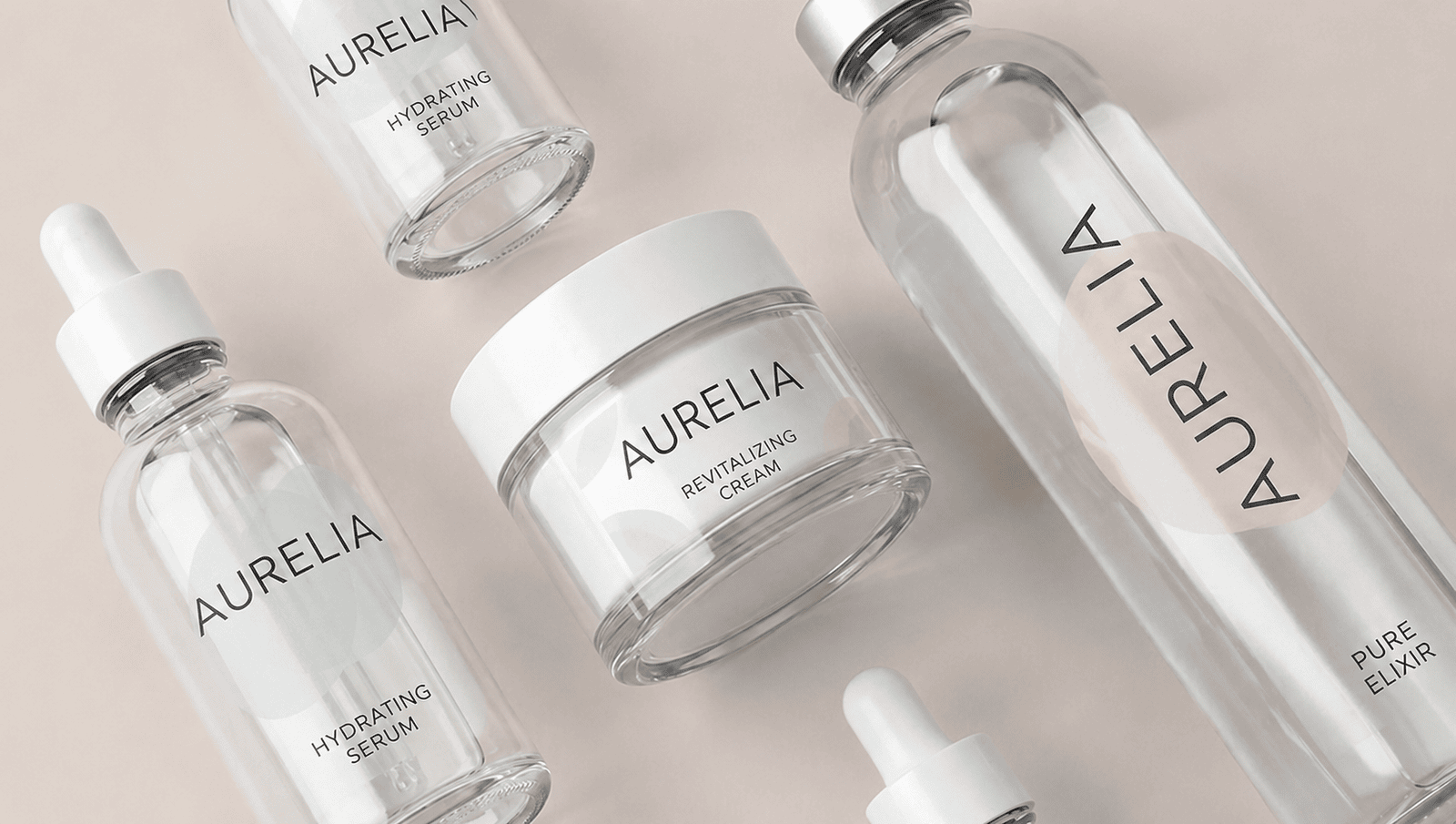
Clear labels give cosmetic bottles, jars, and dropper packaging a clean, refined appearance without covering the container itself. When the product colour, glass shape, or minimal packaging design is part of the brand experience, a transparent label can make the finished pack feel more considered and less cluttered.
The result depends on more than choosing a clear material. White ink, artwork coverage, adhesive selection, and the surface of the bottle all affect how clearly the design appears after application. PaperMyna helps brands develop custom printed labels that match both the packaging look and the practical requirements of production.
THE CLEAR-LABEL EFFECT
A Clear Label Is More Than a Clear Film
A transparent label can look almost invisible on a bottle, but the finished result is controlled by the material, print design, and application surface working together.
Clear Facestock
Clear BOPP or PET keeps the bottle, jar, product colour, and packaging design visible.
White Ink Support
White ink creates an opaque base beneath selected text, colours, and graphics so they stay clear on transparent packaging.
Container Surface
Smooth glass, PET, and rigid cosmetic bottles usually provide the cleanest transparent-label result.
Artwork Placement
Bottle curves, seams, and label size should be checked before finalising artwork, white-ink areas, and print coverage.
SELECTIVE WHITE INK
How White Ink Creates Definition on Clear Labels
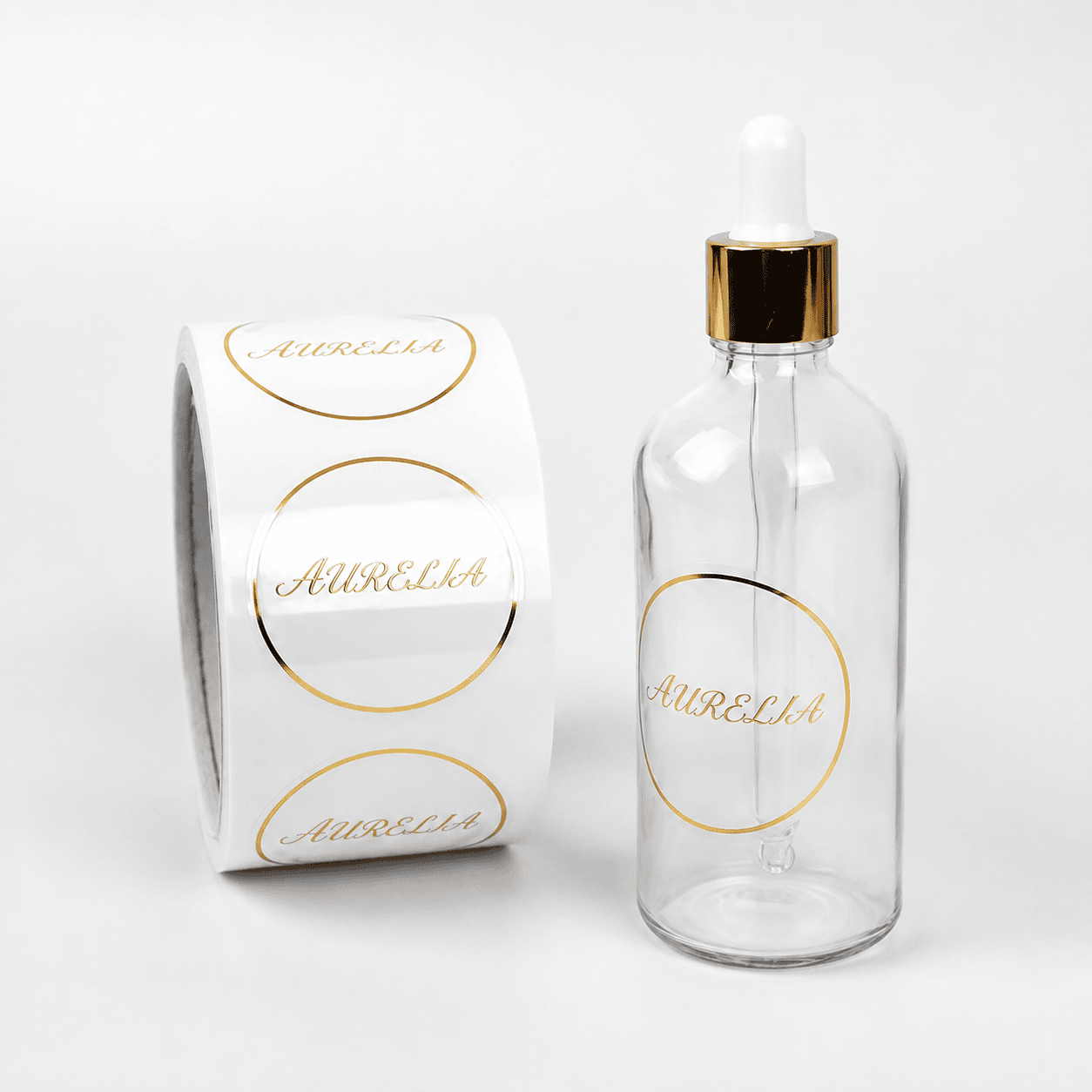
Clear film keeps the packaging visible, but not every part of the artwork should remain transparent. Selective white ink gives chosen elements a solid base while leaving other areas open to show the bottle and product beneath.
Keep Selected Areas Opaque
White ink can sit beneath a logo, product name, colour block, or fine detail so it remains readable on clear glass, PET, or a coloured product fill.
Leave the Rest Transparent
Areas without white ink allow the bottle and its contents to show through. This creates the clean, label-free effect that makes clear cosmetic packaging feel lighter and more premium.
Plan Artwork Before Printing
The white-ink layer should be confirmed together with the main artwork, label size, bottle colour, and application surface before production. For more examples, see our cosmetic label solutions.
CLEAR FILM OPTIONS
Choose the Film Around the Container, Not the Artwork Alone
Clear labels can be produced with different film materials. The best choice depends on whether the container is rigid, flexible, curved, exposed to moisture, or intended for a premium shelf presentation.
| Material | Best For | Key Strength | Check Before Choosing |
|---|---|---|---|
| Clear BOPP | Rigid PET bottles, glass jars, and cosmetic containers | Good clarity, moisture resistance, and a clean no-label look | Confirm bottle curves, label size, and final finish |
| Clear PET | Premium glass bottles and more durable cosmetic packaging | Higher stiffness and strong print definition | Check whether the label needs to follow a tight curve |
| Clear PE | Soft squeeze bottles, tubes, and flexible containers | More flexible material that moves with the pack | Clarity may be softer than BOPP or PET |
APPLICATION CHECK
Test Clear Labels on the Actual Bottle Before Production
A clear label should always be checked on the finished container, not only on a flat print sample. The bottle material, product colour, label position, and white-ink coverage can all change the final appearance.
ARTWORK CHECKLIST
What to Confirm Before You Approve a Clear Label
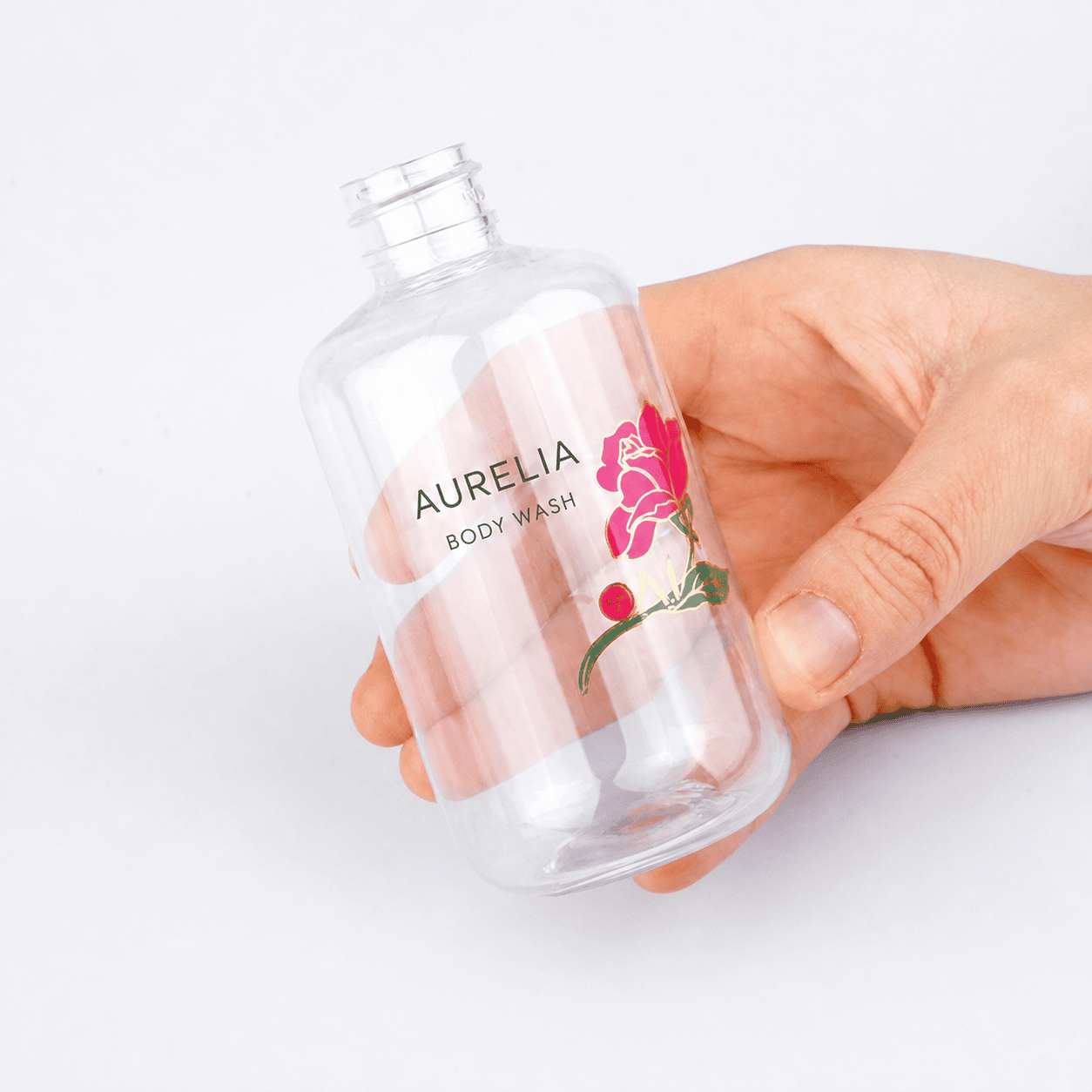
Clear labels look simple, but the final effect depends on the bottle, artwork, print layers, and application conditions being confirmed together. A design that looks clean on screen can appear very differently once applied to the finished pack.
Before production, check the container material and colour, final label size, transparent areas, white-ink coverage, label position, and any exposure to moisture, oils, or handling wear.
Quick Answer
For the most reliable result, share the finished bottle or jar, label size, artwork file, product fill or container colour, and your required finish. This allows the clear material and white-ink areas to be reviewed before printing.
Clear Cosmetic Labels: Frequently Asked Questions
Below are answers to common questions about clear cosmetic labels, including white ink, label materials, bottle surfaces, print visibility, and artwork preparation. If your packaging has specific material, filling, or application requirements, these details should be reviewed before production.
Yes. Clear labels work well on glass, PET, and other smooth cosmetic containers. They are especially effective when you want the bottle shape, product colour, or packaging material to remain visible.
White ink is recommended wherever text, colours, or graphics need to remain clear and consistent. Areas without white ink stay transparent, while selected white-ink areas create a more opaque and readable print result.
Clear BOPP is a common choice for rigid cosmetic bottles and jars because it offers good clarity and moisture resistance. Clear PET can suit more durable or premium packaging, while clear PE is better for soft squeeze bottles and flexible tubes.
They can, but the container colour or product fill will affect the appearance of the artwork. Text and colours may need a white-ink base to prevent them from becoming faint or changing colour after application.
Please share the bottle or jar type, label size, artwork file, material preference, print colours, white-ink requirements, quantity, and any conditions such as moisture, refrigeration, oil exposure, or frequent handling.
CUSTOM CLEAR COSMETIC LABELS
Ready to Develop Clear Labels for Your Cosmetic Packaging?
PaperMyna supplies custom clear labels for cosmetic bottles, jars, droppers, tubes, and personal-care packaging. Share your container, label size, artwork, material preference, print colours, white-ink requirements, quantity, and application conditions, and our team can help confirm a practical label specification before production.