
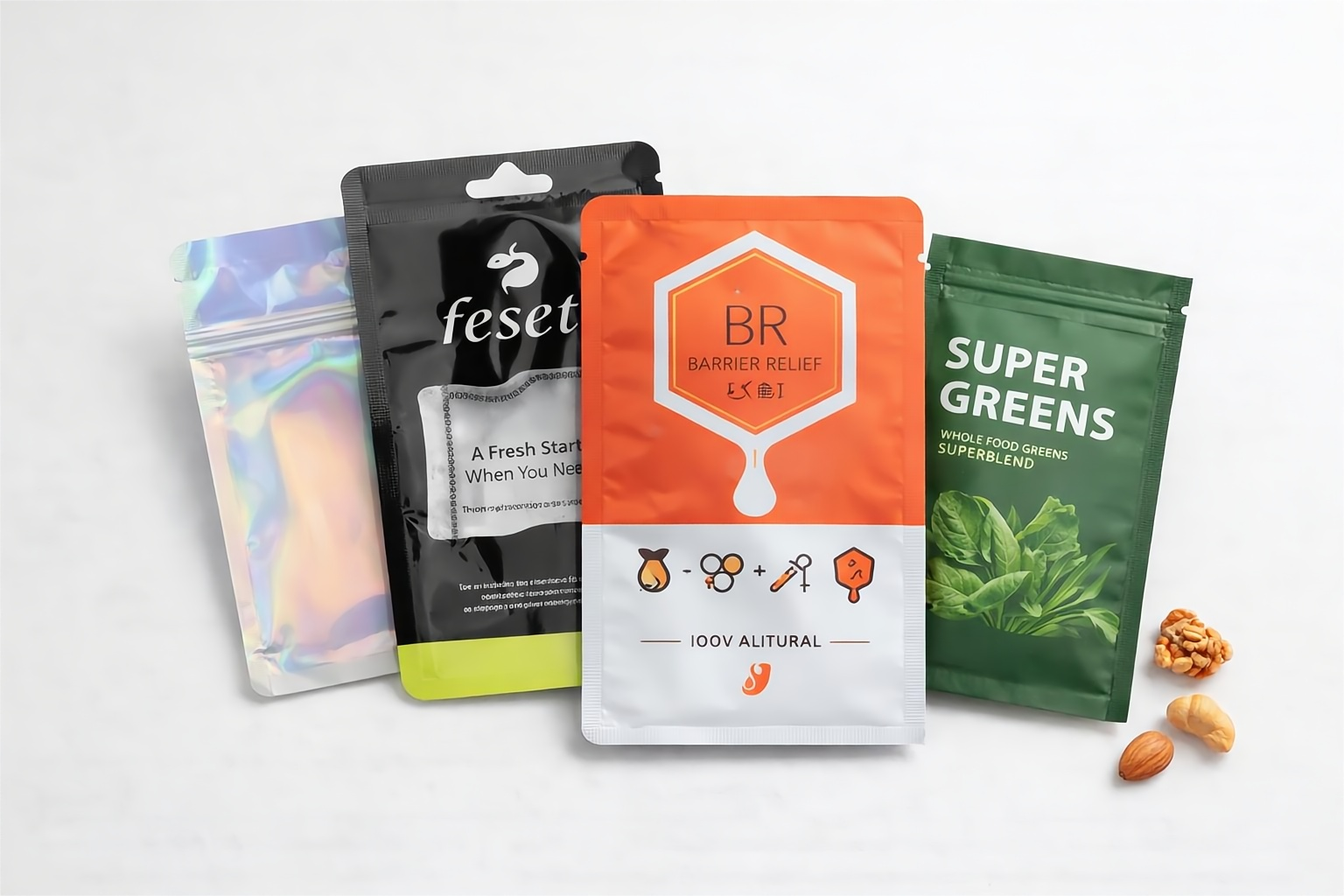
Flat pouch packaging remains one of the most practical choices for compact products that need a clean structure, efficient material use, and reliable sealing performance. It works especially well for food, powders, sachets, sample packs, and many lightweight retail products where a slim format makes more sense than a bulkier pack style.
For many brands, the appeal of a flat pouch is not just simplicity. It is the combination of cost efficiency, flexible sizing, printability, and product protection that makes the format so widely used. If you are exploring flat pouch packaging for a new project, it helps to understand where the format performs best, which materials are commonly used, and what custom options are worth considering.
Why Brands Choose Flat Pouch Packaging
One reason brands continue to choose flat pouch packaging is efficiency. The format uses a simple profile, stores easily, and often takes up less space during shipping than more structured alternatives. For products that do not need to stand on the shelf, that can be a very practical advantage.
Another reason is versatility. Flat pouches work across many industries, from snack foods and supplements to cosmetics, sample packs, and personal care items. They can be produced in different sizes, finishes, and material structures, which makes them suitable for both everyday packaging and more premium product lines.
Flat pouches also offer a clean presentation. Even without a bottom gusset, they can still look polished and retail-ready when the artwork, finish, and dimensions are handled well. For brands that want a compact package without unnecessary bulk, this format often strikes the right balance between appearance and function.
Common Materials Used for Flat Pouches
Flat pouch packaging can use a range of film structures depending on the product, shelf-life target, and barrier requirements. Some materials focus on cost efficiency and clean presentation, while others offer stronger protection against moisture, oxygen, light, or aroma loss. In practice, the right structure depends less on the pouch shape itself and more on what the product needs during storage, shipping, and retail use.

METPET for Stronger Barrier and Broader Packaging Use
METPET structures are widely used when the package needs stronger overall barrier performance and more dependable product protection. They are often considered for applications where moisture resistance, aroma retention, and shelf-life support play a more important role in the packaging decision.
For flat pouches, this type of structure often suits dry foods, powdered blends, nutrition products, and other retail items that need a little more packaging support. It is a practical choice when the goal is to combine a compact pouch format with a more capable material structure.

ALOx PET for Clear Appearance and Better Protection
ALOx PET is often used when a brand wants stronger barrier performance without giving up a cleaner or more premium appearance. Compared with simpler structures, it can offer better protection while still supporting a presentation that feels modern and refined.
This makes it a useful option for flat pouch packaging where shelf life, product stability, and visual quality all matter. It can be a good fit for products that benefit from a more advanced structure but do not necessarily require a heavy foil-based laminate.

METBOPP for Cost-Efficient Barrier Performance
METBOPP structures are often chosen when brands want a practical balance between cost, appearance, and barrier performance. They can support good print results and provide a useful level of protection for many dry products, especially when the packaging does not need the highest possible barrier level.
In flat pouch applications, this type of structure can work well for snacks, powders, seasoning packs, and other everyday products that need reliable sealing and a clean retail look. It is often considered a sensible option when efficiency matters but the product still needs better protection than a very basic film structure can offer.
Custom Options to Consider
One of the strengths of flat pouch packaging is how easily it can be adapted to different product and retail needs. Even though the structure is relatively simple, brands can still customize the pouch in ways that improve convenience, presentation, and overall usability.
Zipper Closures for Resealable Use
A zipper closure can make a flat pouch more practical for products that are used more than once. It adds convenience for the customer and works especially well for snacks, powders, and other items that benefit from resealing after opening.
Tear Notches for Easier Opening
Tear notches are a simple but useful feature when the pouch needs to open cleanly and easily. They are often added to improve the user experience without changing the overall structure of the pack.
Clear Windows for Product Visibility
A clear window allows customers to see the product inside, which can help build trust and make the packaging feel more transparent. This option is often used for snacks, dried foods, and other products where visual appeal matters.
Matte, Gloss, and Printed Finish Options
Surface finish also plays an important role in how a flat pouch is perceived. A matte finish can feel softer and more premium, while a gloss finish tends to look brighter and more eye-catching. Strong print design and the right finish can make even a simple pouch look polished and retail-ready.
Best Uses for Flat Pouch Packaging
Flat pouch packaging works best when the product needs a compact format, efficient material use, and a clean overall presentation. It is especially suitable for items that do not need to stand on their own and are more likely to be packed in trays, cartons, hanging displays, or other space-efficient retail setups.
Food, Snacks, and Powdered Products
Flat pouches are widely used for dry foods, snack items, powdered blends, seasonings, and sample-size consumables. They provide a practical structure for products that need reliable sealing and a compact format without the extra bulk of a stand-up pack.
Sample Packs and Single-Use Applications
For sample packs, trial sizes, and single-use items, a flat pouch often feels like the most efficient choice. It keeps the pack slim, easy to distribute, and simple to display, which makes it useful for both promotional packaging and everyday retail applications.
Personal Care and Compact Retail Products
Flat pouches also work well for personal care items, masks, wipes, patches, and other compact products that benefit from a clean, lightweight format. In these cases, the pouch offers a good balance of presentation, functionality, and efficient packaging use.
Looking for Custom Flat Pouch Packaging?
If you would like a more practical recommendation based on your product, you can contact our team to discuss the most suitable flat pouch packaging solution for your application.