
CUSTOM PRINTED LABEL GUIDE
Custom Printed Product Labels: Material, Finish and Adhesive Guide
Custom printed product labels are not only used for branding and product information. The right label solution also needs to match the packaging surface, storage environment, application method and overall product presentation.
For bottles, jars, boxes, pouches and retail packaging, different materials, finishes and adhesive options can create very different results. Paper labels, film labels, clear labels and specialty finishes each have their own advantages depending on the product requirements.
Quick Answer
Choosing custom printed product labels starts with understanding the package itself. Confirm the packaging surface, label dimensions, material, finish, adhesive and usage environment first. A suitable label specification can improve product appearance, readability and overall packaging quality.
CUSTOM PRINTED LABEL GUIDE
Custom printed product labels are an important part of product packaging, helping brands present product information, improve shelf appearance and create a consistent visual identity across different packaging formats.
However, choosing the right label solution involves more than just printing artwork. Material selection, surface finish, adhesive performance, label size and packaging conditions all affect how the final label looks and performs after application.
For bottles, jars, boxes, pouches and retail products, brands should review the actual packaging surface and usage environment before ordering custom printed labels. This guide explains the key details to check before selecting materials, finishes and label specifications.
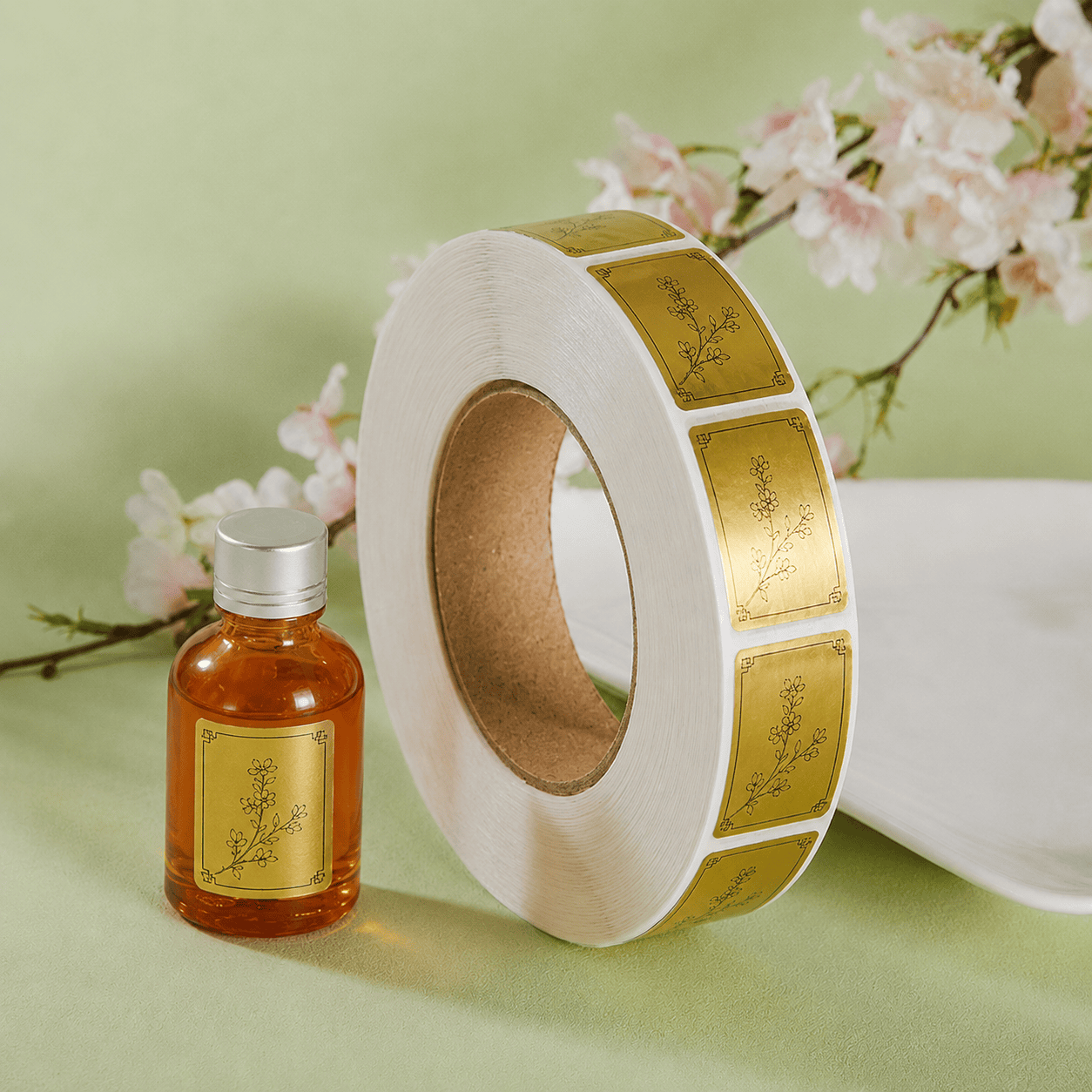
What Should You Check Before Ordering Custom Product Labels?
Choosing custom printed product labels requires more than selecting a design and printing colors. The label material, surface finish, adhesive performance and application environment all influence the final result.
Before production, brands should confirm where the label will be applied, how the product will be stored, and what visual effect the packaging needs to achieve. A suitable label specification helps maintain product appearance and improves long-term label performance.
The most important factors to review include label material, printing method, finish options, adhesive selection, label size and packaging surface compatibility.
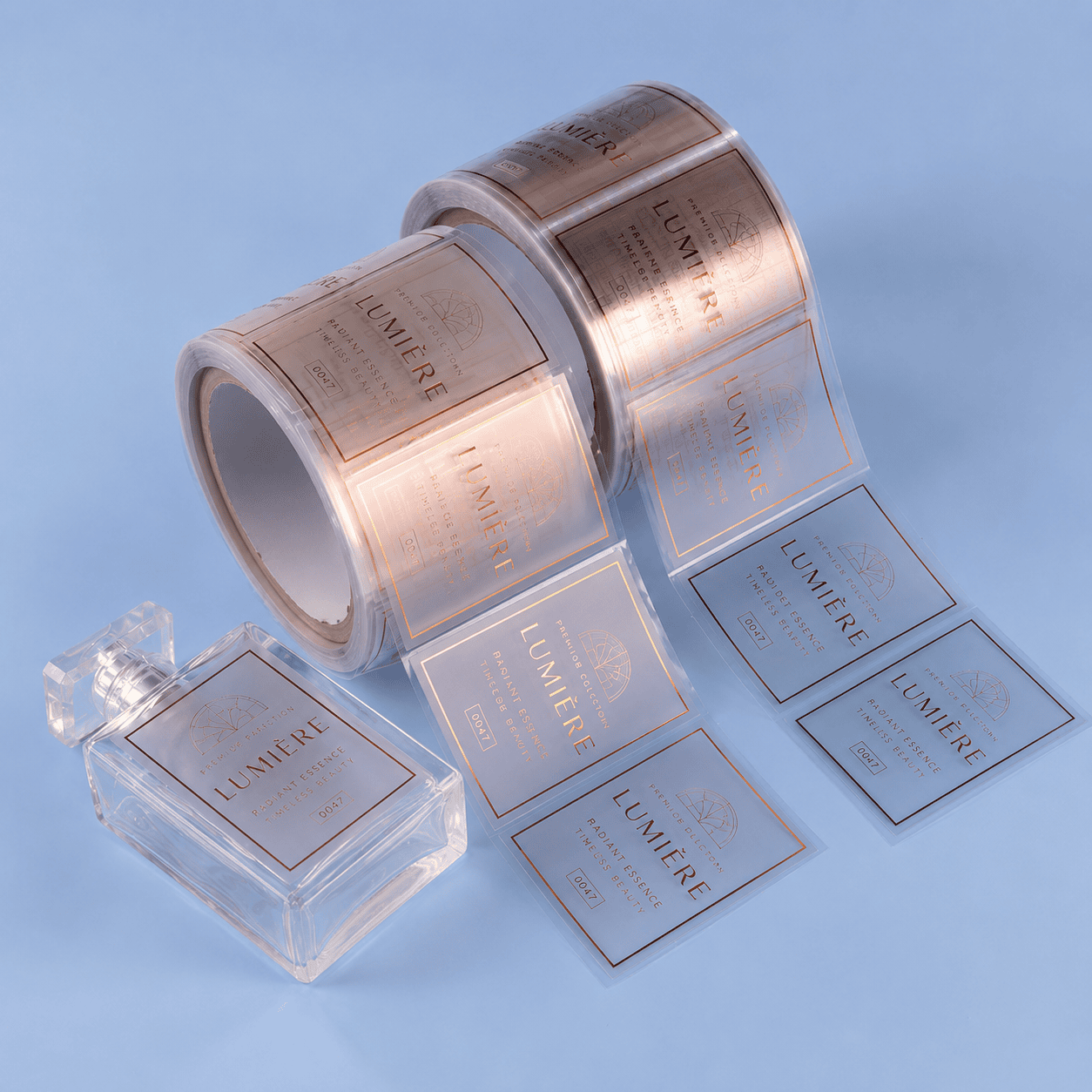
Choose the Right Label Material and Finish
Different products and packaging surfaces require different label materials and finishes. Choosing the right structure helps improve appearance, durability and application performance.
Choosing the Right Adhesive for Different Packaging Surfaces
The adhesive is an important part of custom printed product labels. A label may look perfect after printing, but the wrong adhesive choice can affect bonding performance, durability and the overall product appearance.
Permanent Adhesive
Permanent adhesive provides strong bonding for bottles, boxes, cartons and retail packaging where labels need to stay attached during storage, transportation and daily handling.
Removable Adhesive
Removable adhesive is suitable for temporary labels, promotional applications and surfaces where clean removal is important without leaving excessive residue.
Freezer Grade Adhesive
Freezer grade adhesive is designed for cold storage conditions, helping labels maintain reliable adhesion on refrigerated or frozen products.
High Tack Adhesive
High tack adhesive provides stronger initial bonding for challenging surfaces such as textured materials, plastic packaging or industrial applications.
Choosing the Right Label Size and Format
Label size and format should match the packaging shape, application method and labeling process. Before ordering custom printed product labels, brands should confirm the label dimensions, roll format and application requirements to ensure smooth production and consistent results.
Label Dimensions
Label width, height and shape should match the available packaging area. Common formats include rectangle, square, circle and custom die-cut shapes for bottles, jars, boxes and pouches.
Roll Labels
Roll labels are suitable for manual application, label dispensers and automatic labeling equipment. Roll direction, core size and winding method should be confirmed before production.
Application Surface
The packaging surface affects label performance. Glass, plastic, paperboard and flexible packaging may require different label materials and adhesive solutions.
Final Tips Before Ordering Custom Printed Product Labels
Choosing the right custom printed product labels requires a balance between appearance, material performance and practical application needs. A label that looks attractive should also match the packaging surface, storage environment and daily handling conditions.
Before production, brands should prepare key information including label size, packaging type, material preference, finish requirements, adhesive needs and estimated order quantity. Clear specifications help reduce production issues and improve the final labeling result.
Working with an experienced label supplier can help brands compare different material options, printing effects and adhesive solutions to create a label that fits both product presentation and long-term use.
FAQs About Custom Printed Product Labels
Find answers to common questions about custom printed product labels, including material options, adhesive selection, packaging applications and information needed before ordering.
Custom printed product labels can be produced with different materials including paper, PP, PET and clear film options. The right material depends on the packaging surface, product environment, durability requirements and desired visual appearance.
The right adhesive depends on where the label will be applied and how the product will be used. Permanent adhesive is suitable for long-term applications, while removable or freezer-grade adhesives can be selected for specific packaging conditions.
Yes. Custom printed labels can be applied to many packaging formats including bottles, jars, boxes, pouches and retail containers. Material, adhesive and label structure should be selected according to the packaging surface and application environment.
Before ordering custom printed labels, it is helpful to provide label size, packaging type, material preference, finish requirements, adhesive needs, artwork files and estimated order quantity. These details help confirm the suitable label solution before production.
You should provide the label size, printer model, roll core, roll direction, material, adhesive, quantity, application surface, storage environment, and how long the label needs to stay readable.
CUSTOM PRINTED PRODUCT LABELS
Need Custom Printed Labels for Your Product Packaging?
PaperMyna helps brands develop custom printed label solutions for bottles, jars, boxes, pouches and retail packaging applications. Share your product type, packaging surface, label size, material preference, finish requirement, adhesive needs, artwork file and order quantity, and our team can help recommend a suitable label solution for your project.