
Label Roll Splices: What to Specify for Automatic Labeling

LABEL ROLL SPLICES

What Happens When a Splice Reaches the Applicator?

A roll can feed smoothly for hundreds of labels before the applicator skips one or stops. If it happens just as a taped joint passes through, keep that section of the roll. Check the tape edges and how the labels are spaced on either side of the joint.

A label roll splice joins two lengths of label web within one roll. Before ordering, confirm whether your applicator can run an approved splice or needs splice-free rolls. Put that requirement on the purchase order and, if splices are allowed, test a sample roll that contains one.
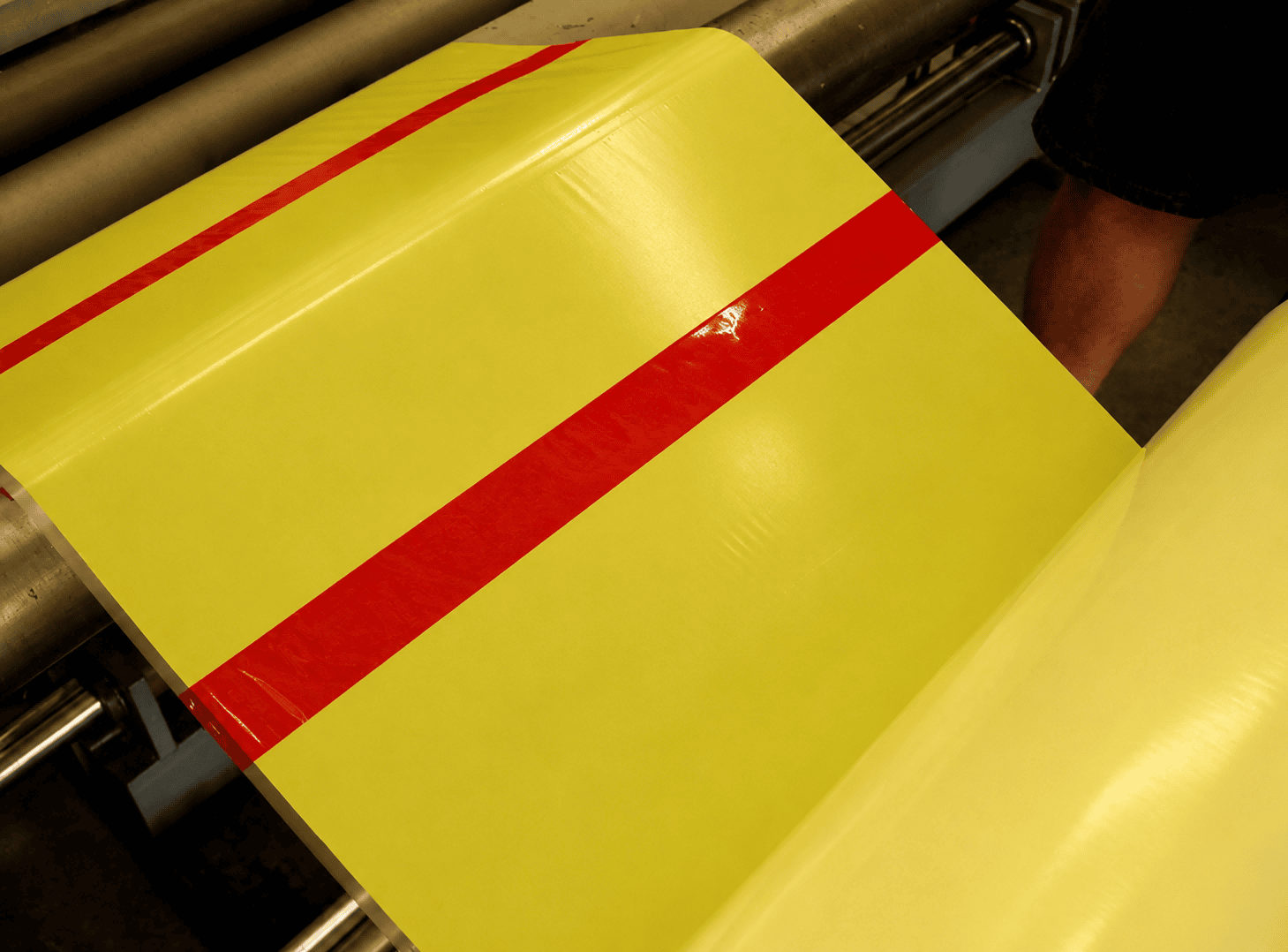
Red splice tape across a yellow release liner on a roller
A taped joint in yellow release liner.
LABEL FEED TROUBLESHOOTING

Where a Splice Can Affect the Label Feed
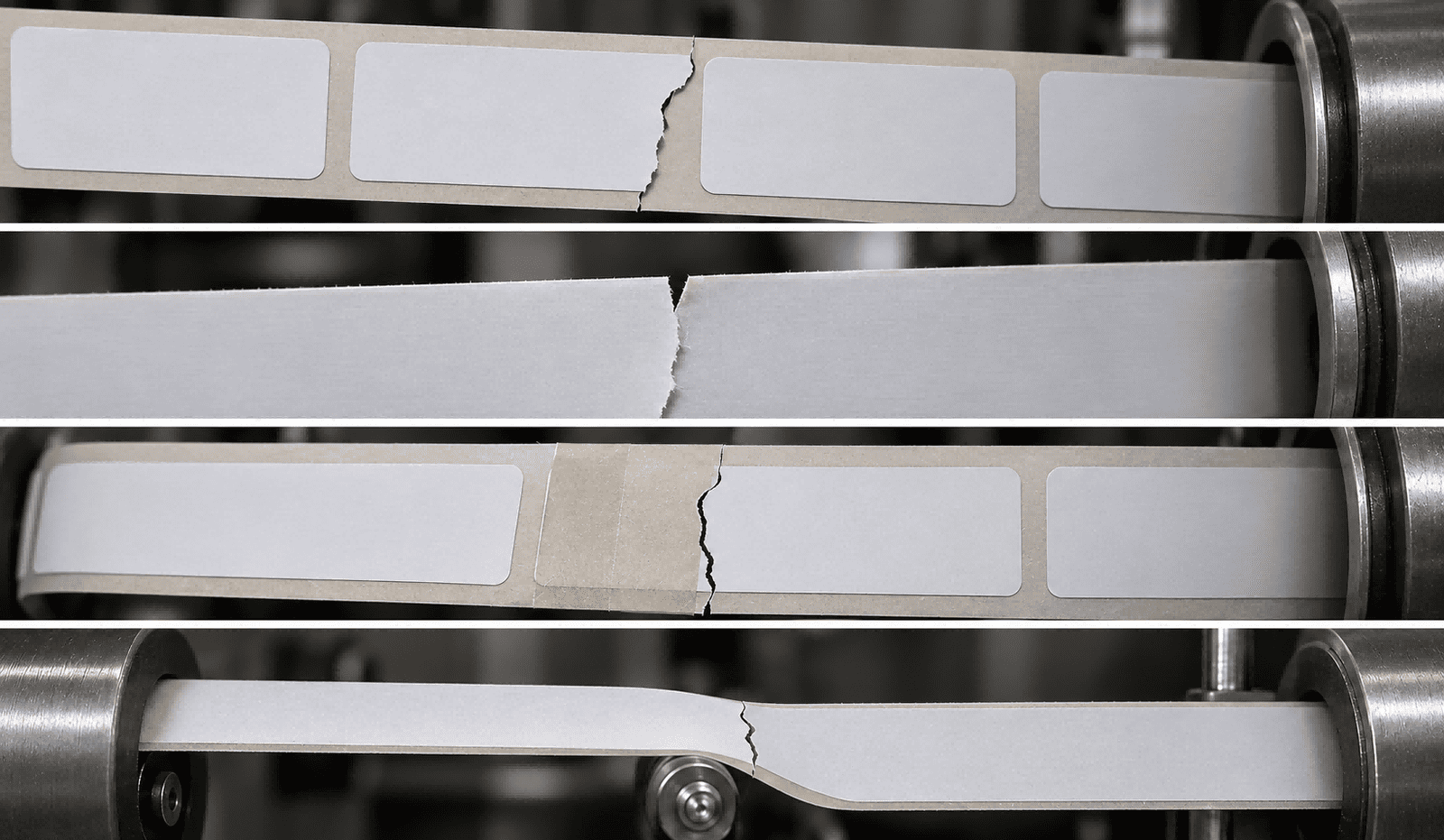
Four illustrated label liner tears, including a tear beside splice tape in the third row
Four possible liner tear locations. The third row shows a tear beside a taped splice.

At the Label Sensor

If the applicator skips a label at the splice, check for tape in the sensor's reading path or a missing label at the joint. Compare the gaps on either side with those on an unaffected part of the same roll. If labels also skip elsewhere, check the label spacing and sensing setup.

At the Peel Plate

The liner bends around the peel plate as the label moves forward. If the web catches at the joint, look for a raised tape edge, tape extending beyond the liner, or a step where the ends meet. If the liner tears, keep both ends and check where the tear started.

PURCHASE ORDER REQUIREMENTS

What to Put on the Purchase Order

When the Line Needs Splice-Free Rolls

If your applicator requires splice-free rolls, ask the supplier to confirm the number of labels they can deliver on each finished roll under that requirement. A shorter roll may mean more changeovers, so confirm the number of usable labels per roll before accepting the quote.

Example order wording:
Finished label rolls must contain zero splices per roll. Please confirm the number of usable labels per roll.

When the Line Can Run an Approved Splice

Agree on the maximum number of splices per finished roll, which splice construction the line can accept, and how the supplier will mark affected rolls. Use the approved sample or roll drawing to record the joint type and tape position.

Example order wording:
Allow a maximum of [agreed number] splices per finished roll. Use the approved joint and tape position, mark any roll containing a splice, and exclude unusable labels from the ordered count.

SAMPLE ROLL TRIAL

Run the Sample Roll Through the Splice
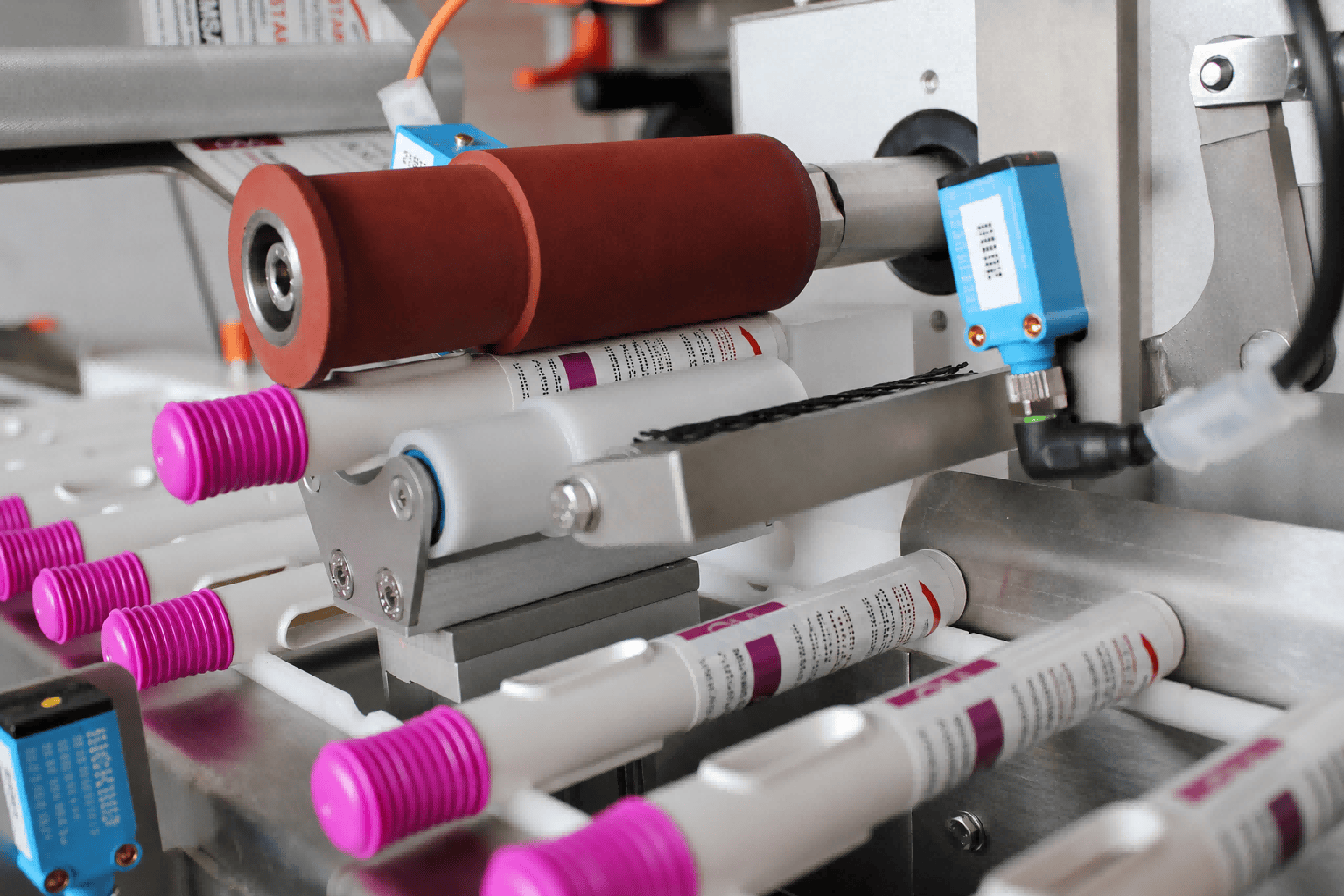
A pressure roller pressing a label onto a pink-capped tube on an automatic applicator
A pressure roller presses a label onto a tube during automatic application.
Ask for a marked sample splice If your line allows splices, ask for a sample roll with the intended liner, label spacing, joint and tape. Have the supplier mark the joint so the operator knows when to watch the applicator.
Check packs before and after the joint Use your actual containers and normal line settings. As the splice passes, watch for a feed stop. Compare the packs from before and after the joint for missing, crooked or wrinkled labels. If the line is set to reject a pack at the splice, confirm the reject works as intended.
Record what passed the trial Note the applicator model, line speed and sample roll ID. If the trial passes, keep the approved joint and tape details with the roll specification. If it fails, save the affected section and tell the supplier where the fault occurred.

LABEL ROLL SPLICE QUESTIONS

Label Roll Splice FAQs

A splice is a joint between two lengths of label web within the same roll. Tape is often used to hold the two lengths together. Depending on how the splice is made, there may be an extra gap or an unusable label at the joint.

It depends on the applicator and how the splice is made. Check the machine’s requirements for the joint and tape placement. If the machine allows splices, run a sample with the proposed joint through the applicator at your normal line settings before approving it.

A side mark helps the operator locate the splice. Automatic detection depends on the equipment and how it is set up. If the line is expected to stop or reject a pack when a splice passes, verify that response during the sample trial.

Set the limit with your line team and supplier. If the applicator requires splice-free stock, specify zero splices per finished roll. If splices are allowed, record the maximum per roll, the approved joint construction, and how the supplier will mark affected rolls.

CUSTOM ROLL LABELS

Need Custom Label Rolls for an Automatic Applicator?

Send us your applicator model and, if available, a roll drawing or a sample of the labels you use now. Tell us whether your line needs splice-free rolls or can run a specific splice. PaperMyna can review the roll specifications with you and discuss samples for a trial on your line.

Request a Quote Explore Custom Printed Labels