
Labels for Refrigerated and Frozen Food Packaging

Why Cold Storage Changes the Label Specification

Labels for refrigerated and frozen food packaging must remain readable and securely attached while the pack moves through production, cold storage, transport, retail display and consumer handling. Low temperatures, moisture, condensation and frost can all affect label adhesion, print quality and barcode readability.

A label that performs well on a clean, dry pack at room temperature may behave differently when applied to chilled film, a rigid plastic tray or a frozen surface. The correct construction therefore depends on the packaging material, application temperature, storage conditions and the information that must be printed after the label is supplied.

PaperMyna develops custom refrigerated and frozen food labels around these practical conditions. Material, adhesive, face finish and printing method can be matched to product identification, ingredient information, batch coding, dates, weights, prices and scannable barcodes.
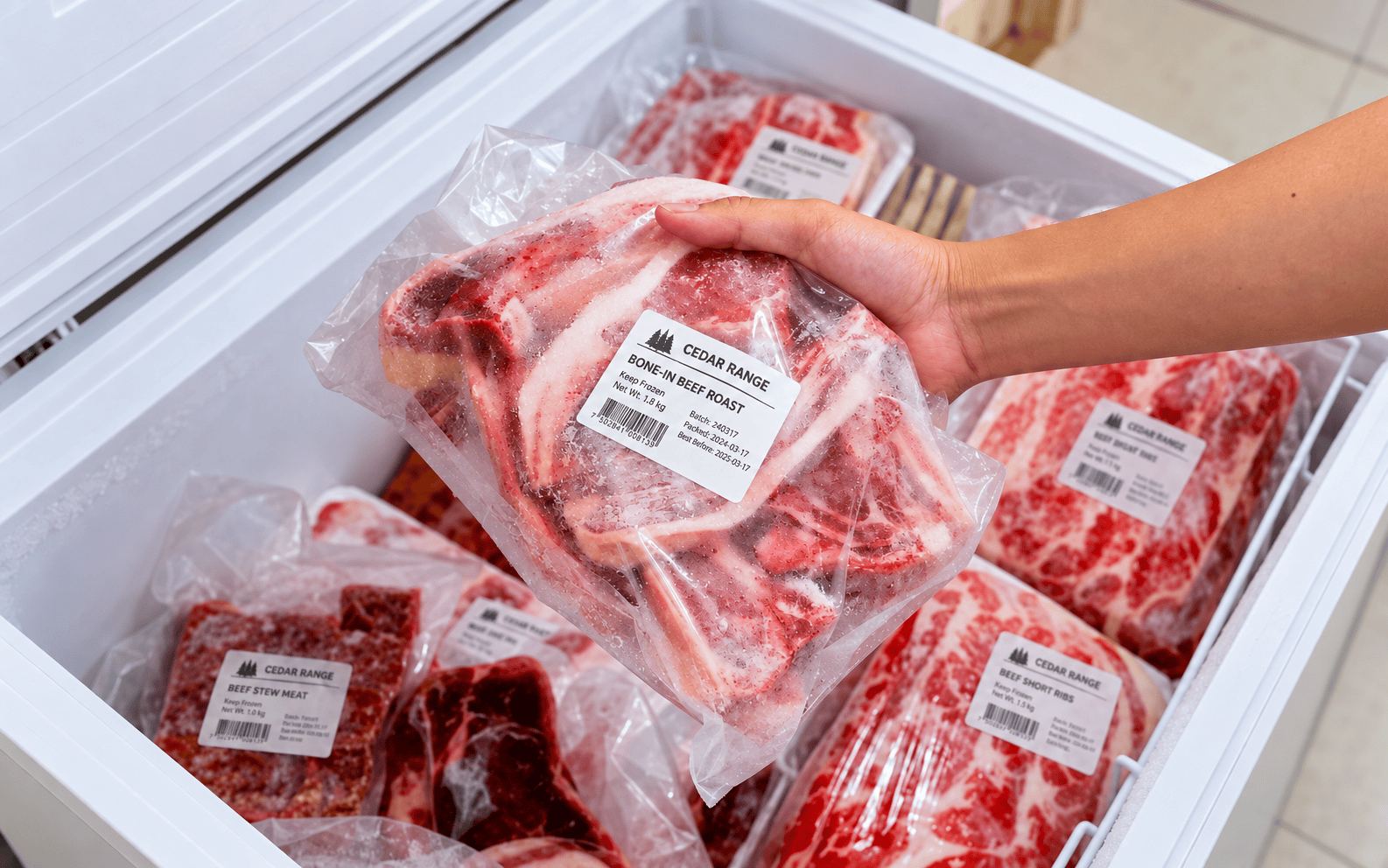
Labels applied to frozen meat packaging inside a retail freezer
Label construction should be selected around the packaging surface, application temperature and expected cold-storage conditions.

COLD STORAGE APPLICATIONS

Refrigerated and Frozen Applications Need Different Label Constructions

Cold-storage labels should be specified around the condition of the package when the label is applied, the surface material and the temperatures encountered afterwards. Application temperature and service temperature are related, but they are not the same requirement.
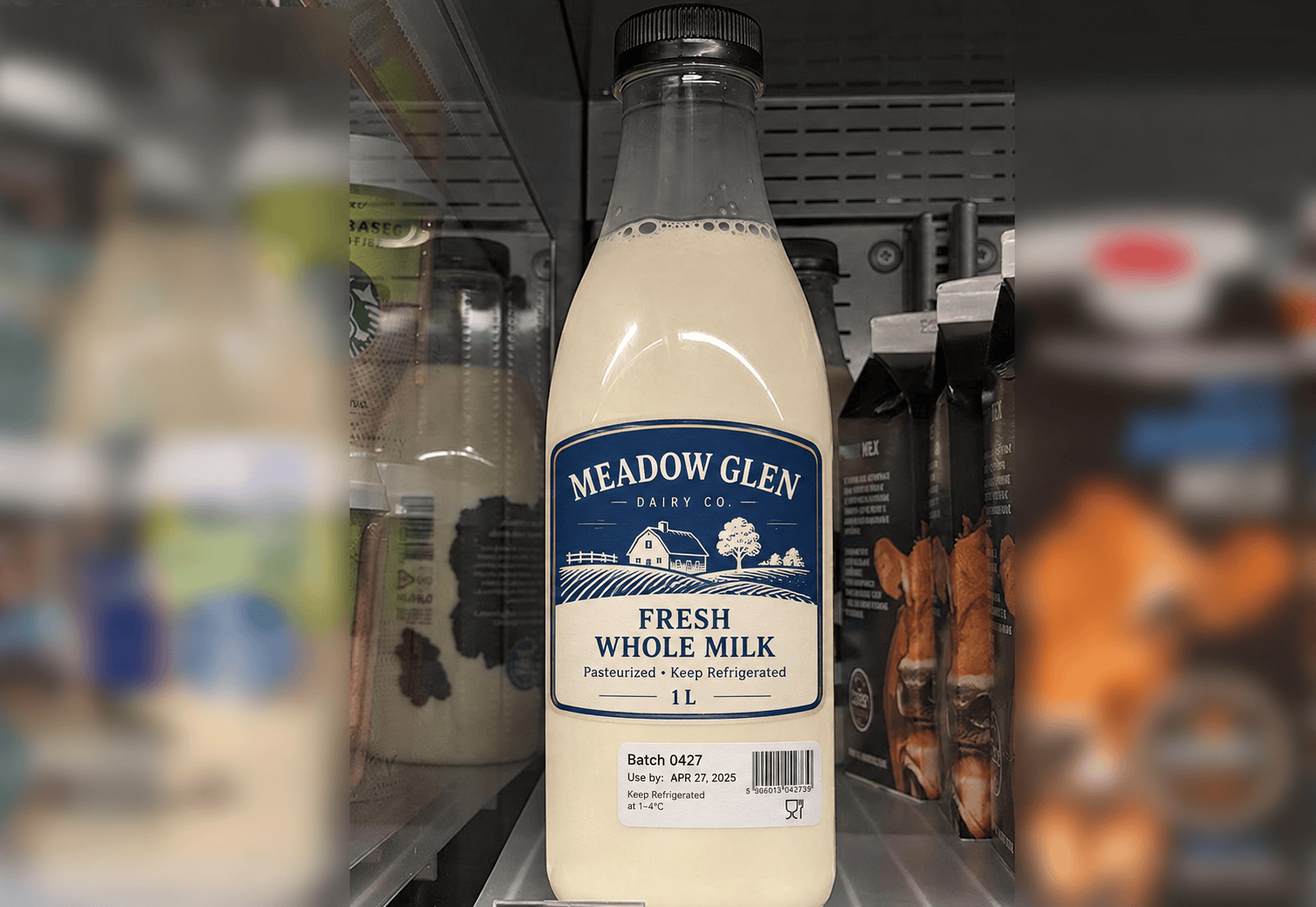
Refrigerated food packaging label on a milk bottle

CHILLED APPLICATIONS

Refrigerated Food Packaging

Labels for milk bottles, chilled drinks, prepared foods and other refrigerated products may encounter moisture or condensation as packages move between filling, storage and retail display. Adhesion should be assessed on the actual bottle, tray or film rather than on a dry test surface alone.

  • Confirm whether the packaging surface is dry, cool or damp during application.
  • Match the adhesive to plastic, glass, coated board or flexible film.
  • Select a face material and print finish that remain readable during handling.
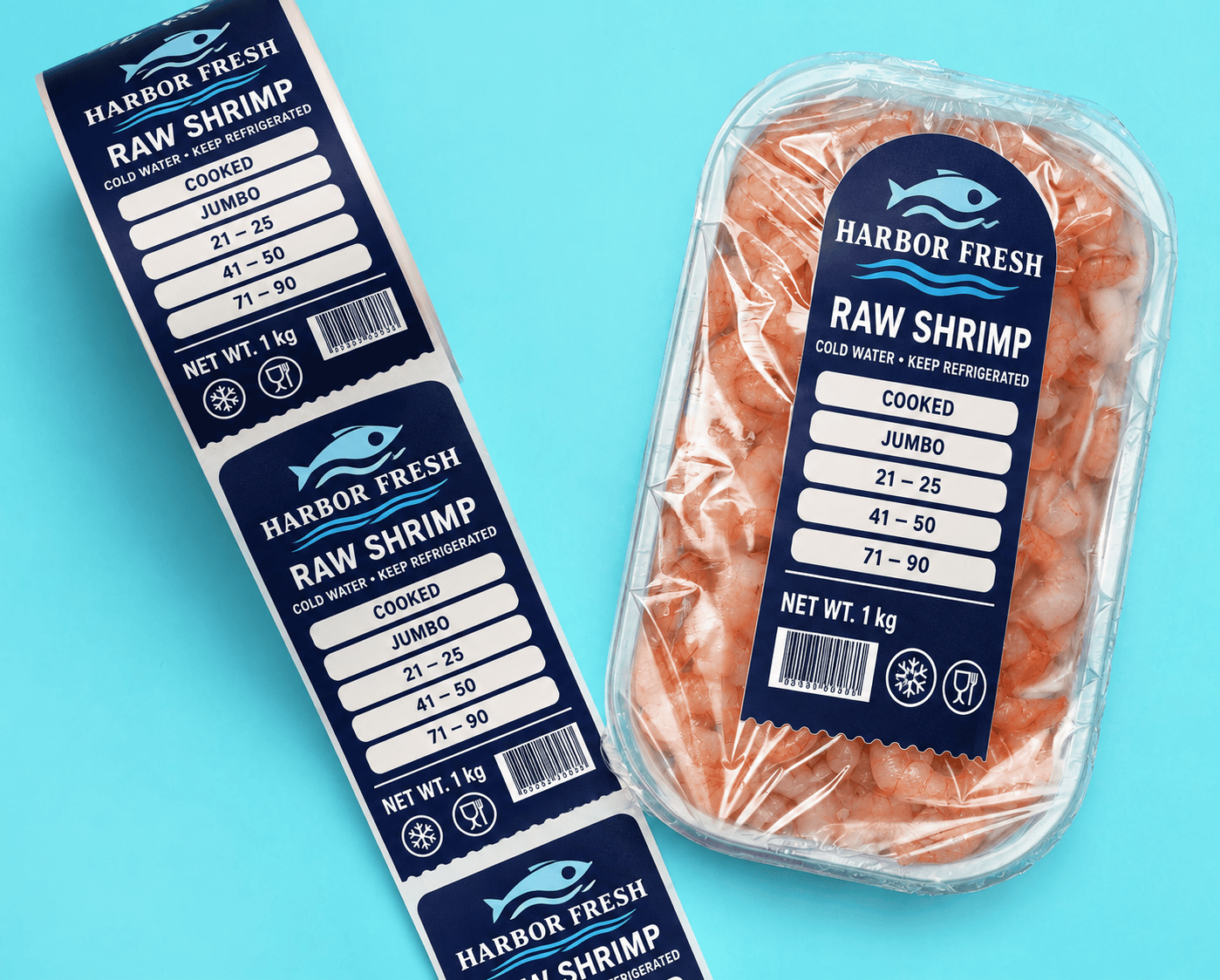
Printed labels for cold-chain seafood packaging

LOW-TEMPERATURE APPLICATIONS

Frozen and Cold-Chain Food Packaging

Seafood, meat and other frozen food packs can experience lower temperatures, surface moisture and repeated handling throughout distribution. The label construction depends on whether it is applied before freezing, onto a pre-chilled pack or under more demanding low-temperature conditions.

  • Confirm the minimum temperature when the label will be applied.
  • Consider frost, moisture and movement of flexible packaging films.
  • Test barcode contrast, print durability and edge adhesion on the finished pack.
LABEL CONSTRUCTION

Build the Label Around the Packaging Surface and Application Conditions

A refrigerated or frozen food label should be specified as a complete construction, not as a face material selected in isolation. The packaging surface, application temperature, moisture exposure, printing process and labeling equipment should all be considered before the final specification is confirmed.
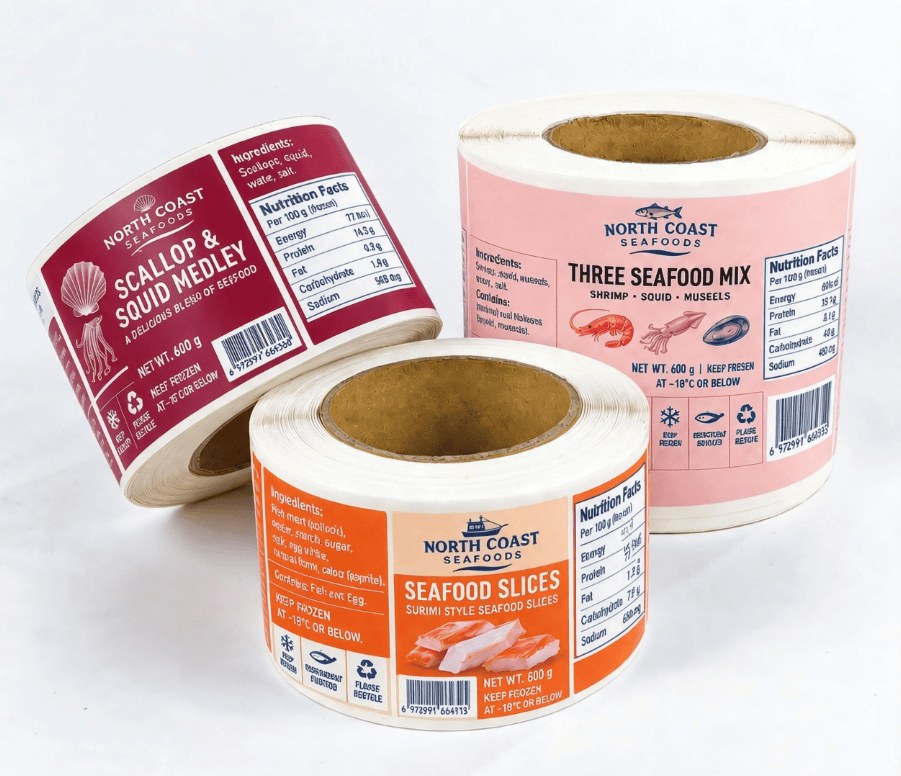
Custom label rolls for refrigerated and frozen seafood packaging
Printed seafood label rolls can combine branding, product information, cold-storage instructions, nutrition panels and retail barcodes in one finished label construction.

Face Material

Paper, synthetic paper and film materials offer different levels of moisture resistance, conformability and print durability. The choice depends on the package type, expected handling and whether the label must remain readable after exposure to condensation, frost or abrasion.

Adhesive

The adhesive should be selected for both the temperature during application and the lowest temperature reached during storage. Surface energy also matters because rigid plastic, flexible film, coated board and glass do not provide the same bonding conditions.

Liner and Roll Format

Liner strength, label orientation, winding direction, roll diameter and core size should match the printing and application process. These details are particularly important when labels pass through a thermal printer or an automatic labeling system.

  • Confirm the packaging material and surface condition.
  • Record the temperature at the time of label application.
  • Define the expected refrigerated or frozen storage range.
  • Share printer, applicator, roll direction and core requirements.

ADHESIVE SELECTION

Cold-Temperature Adhesives: Freezer, Removable and Permanent Options

Cold-chain labels are selected by the full temperature journey, not by the final storage temperature alone. The adhesive must bond when the label is applied and remain stable through chilling, condensation, freezing, handling and transport.

Application temperature Apply the label to a clean, dry package within the adhesive's specified application range. A label that performs well at room temperature may fail if it is applied to a surface that is already chilled or damp.
Freezer adhesive Freezer-grade permanent adhesives are designed for demanding low-temperature service. They are suitable when the label must remain attached through frozen storage, repeated handling and normal condensation after removal from the freezer.
Removable or repositionable A removable or repositionable adhesive can be useful for temporary identification, returnable containers or applications that require clean removal. It should not be treated as a substitute for a freezer-grade permanent adhesive when long-term adhesion is required.
Surface and moisture Plastic trays, films, glass, coated cartons and flexible packaging do not provide the same bonding surface. Condensation, frost, oil or food residue can reduce contact, so the package surface should be tested in its actual production condition.
Validation before ordering Check label adhesion after application, chilling, freezing, transport and thawing. Confirm the label face material, adhesive type, temperature range, roll direction and barcode or print requirements before finalizing the specification.

ORDERING CHECKLIST

What to Confirm Before Ordering Refrigerated and Frozen Food Labels

Before requesting a quotation, confirm the package surface, temperature journey and printing requirements. These details help match the face material, adhesive and roll format to the actual application.

If the final specification is not confirmed yet, you can start with the required label size, package type and estimated quantity. The choice between blank label materials and custom printed labels can then be reviewed around the real production process.

01
Package and surface

Identify whether the label will be applied to a plastic tray, film pouch, glass bottle, coated carton or another packaging surface.

02
Temperature journey

Share the application temperature, storage temperature, freezing range and whether the product will pass through thawing or repeated temperature changes.

03
Moisture and handling

Confirm whether condensation, frost, water, oil, abrasion or frequent handling may affect the label after application.

04
Printing and readability

Confirm variable information, barcode requirements, print method, face finish, colour expectations and the level of contrast required after chilling or freezing.

05
Roll and delivery details

Provide label size, roll direction, core size, outer diameter, quantity per roll and estimated order quantity so the finished roll format can match the applicator or packing line.

FAQ

Frequently Asked Questions About Refrigerated and Frozen Food Labels

Paper, synthetic paper and film facestocks can all be considered, depending on the package surface, moisture exposure, temperature range and required print durability. The final choice should be tested on the actual package through chilling or freezing conditions.

A freezer-grade permanent adhesive is generally used when the label must stay attached through frozen storage, handling and normal condensation. The adhesive should also match the application temperature and package surface.

Labels should normally be applied to a clean, dry surface within the adhesive's specified application range. Condensation, frost, oil or food residue can reduce initial contact, so the actual application condition should be tested before production.

Provide the label size, package material, application temperature, storage and freezing range, moisture exposure, roll direction, core requirements, print details and estimated quantity. These details help define the correct construction.

Yes. Refrigerated and frozen food labels can include barcodes, QR codes, batch numbers, dates and other variable information. Confirm the required contrast, face finish and print method, then test readability after chilling or freezing.

DISCUSS YOUR LABEL PROJECT

Need Help Choosing Labels for Refrigerated and Frozen Food Packaging?

Share your package type, label size, application temperature, storage and freezing range, surface material, adhesive requirements, printing details, roll format and estimated quantity. PaperMyna can help review the label construction and confirm a practical specification for refrigerated or frozen food applications.

Request a Quote Explore Self-Adhesive Labels