
SEASONING SACHET PACKAGING
Choose the Sachet Around the Powder and Filling Process
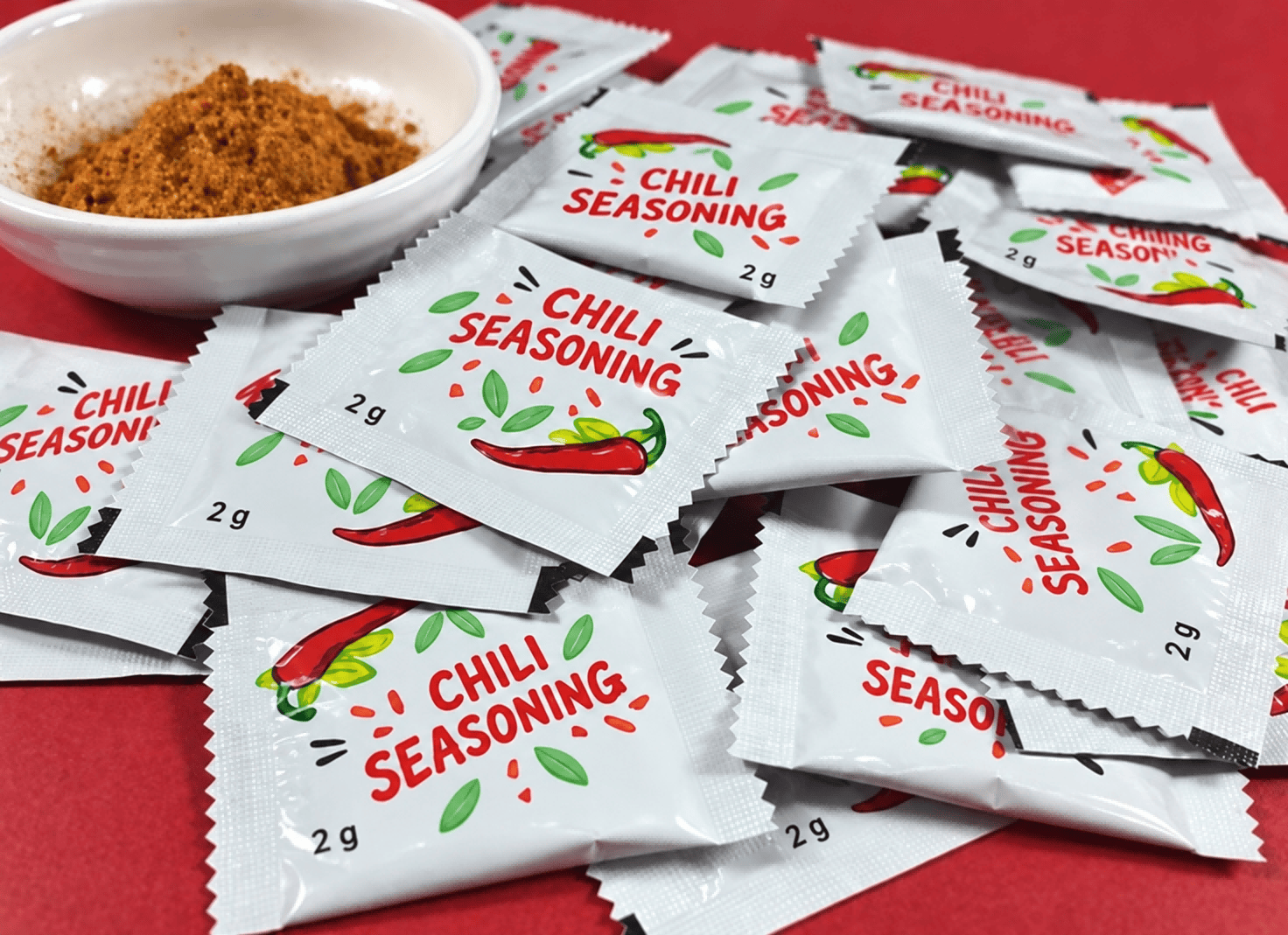
Matching the fill weight of an existing sachet does not automatically give you the right pack dimensions. Different seasoning blends can occupy different volumes, and the sachet still needs space for filling and a clean final seal.
For seasoning powder sachet packaging, begin with your actual blend, target fill weight and packing method. Check how the powder flows into the pack and settles, then inspect filled samples for powder caught in the sealing area.
Review the film structure, finished sachet dimensions and seal layout together before approving the specification. This guide covers material selection, filling checks and the details to confirm when ordering premade sachets or printed rollstock. For available formats, explore our sauce and condiment packaging options.
FILM STRUCTURE & BARRIER
Specify the Barrier and Heat-Seal Layers Together
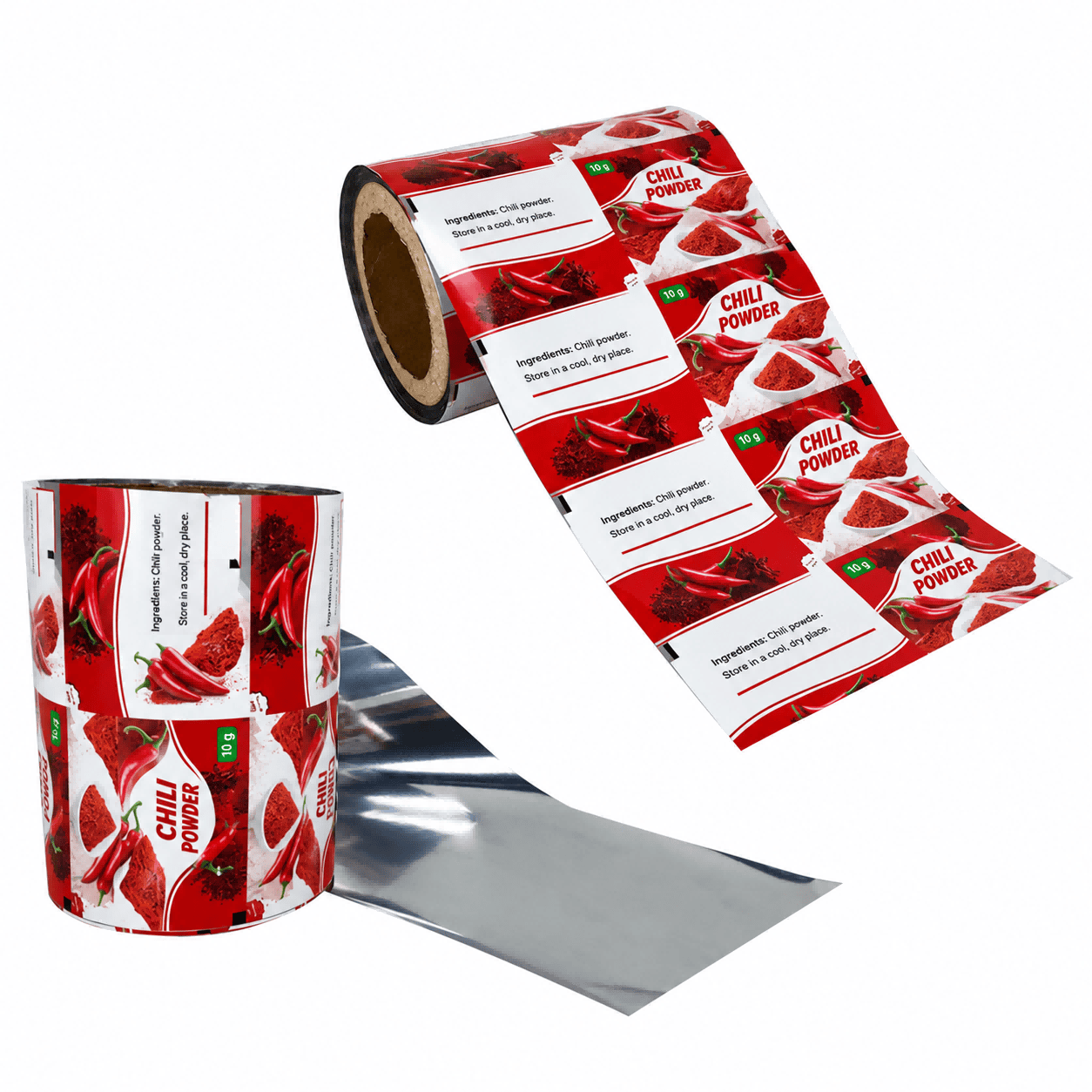
A silver-coloured inner surface is an appearance reference, not a measurement of protection. Ask for the complete laminate specification, including the print-bearing layer, barrier layer, inner heat-seal layer and total thickness.
For moisture-sensitive seasoning powders, review the water vapour transmission rate (WVTR). Where the blend also needs oxygen protection, review the oxygen transmission rate (OTR). Compare the test method, temperature and relative humidity alongside each value, and check whether the data describes a base film or the finished laminate.
Check sealing performance separately. The inner sealant needs to work with the equipment's temperature, pressure and sealing time. Evaluate filled samples at the intended running conditions, including whether powder reaches the seal area.
For custom printed rollstock film, keep the approved material specification with the sample. Confirm aroma retention and the intended storage period through product evaluation in the finished pack.
FILL WEIGHT & POWDER CONTROL
Check Fill Weight and Keep Powder Clear of the Seal
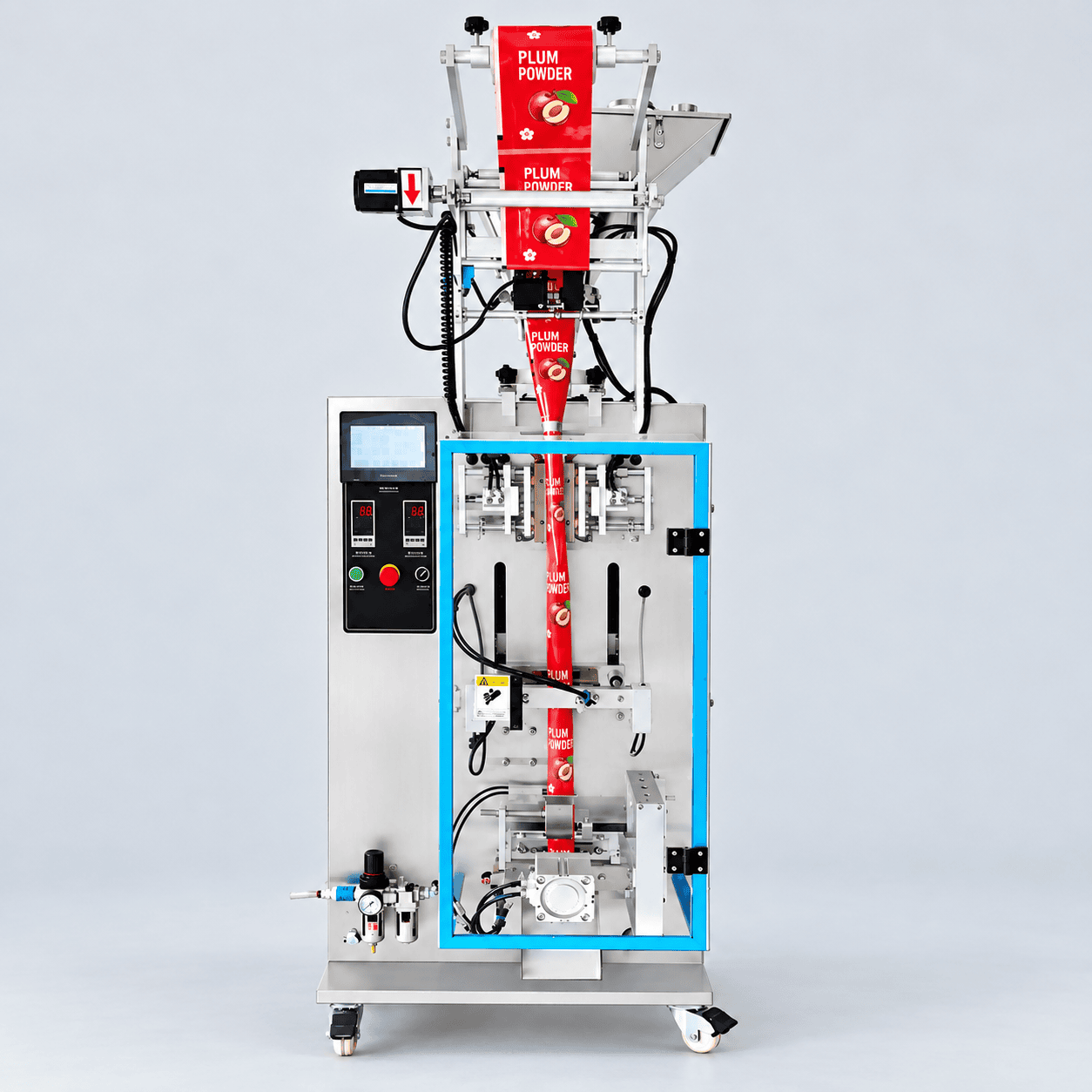
Run the intended seasoning blend on the proposed filling setup. Observe how it feeds and discharges, whether it forms a dust cloud, and whether the dose settles below the final sealing area before the pack closes.
Weigh individual trial packs using a consistent tare method that accounts for the empty packaging. Record the net fill weights and their variation. Agree on the sampling plan and acceptance limits with the filling team before approving the production setup.
Inspect the sealing area for trapped powder. If product continues to fall as the sealing jaws close, review the dosing timing, filling position and dust control with the equipment supplier. Confirm any adjustments through another filling trial.
Repeat the checks at the intended production speed and include samples after a hopper refill or machine restart. Keep the blend reference, film version, machine settings and sample results together so later changes can be compared with the approved setup.
SEAL INTEGRITY & EASY OPENING
Check the Sealed Pack and the Way It Opens
A seasoning sachet needs to remain closed during handling and open cleanly when used. Evaluate seal integrity and opening performance separately on filled trial packs.
SEAL INTEGRITY
Inspect the Bonded Seal Around the Notch
Inspect all seals on the filled pack, including the places where seals meet. Look for trapped powder, folds, wrinkles, uneven bonding and visible damage. Record the location of any suspect area.
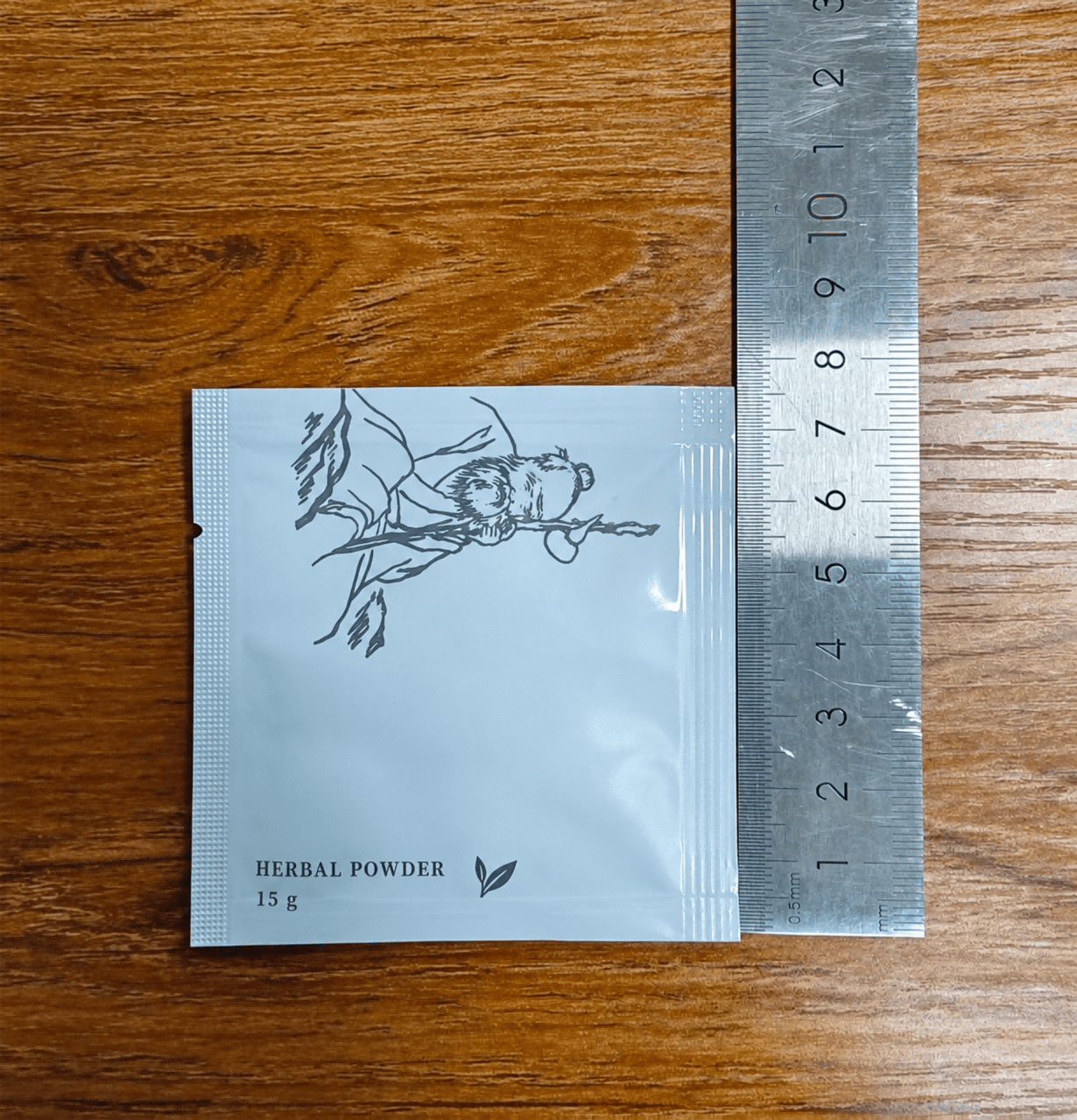
Check the bonded seal width against the approved drawing. Pay particular attention to the margin between the tear-notch tip and the product cavity; the cut needs to leave a continuous bonded seal.
Use agreed seal-strength and leak tests suited to the laminate and filled product. Record the method, sample conditions and acceptance criteria for each.
Herbal powder sachet shown as an example of seal edges and tear-notch position.
OPENING & POURING
Test the Tear Path and Usable Opening
Open filled samples from the notch. Check that users can grip the pack, start the tear and create an opening without uncontrolled splitting into the sachet body.
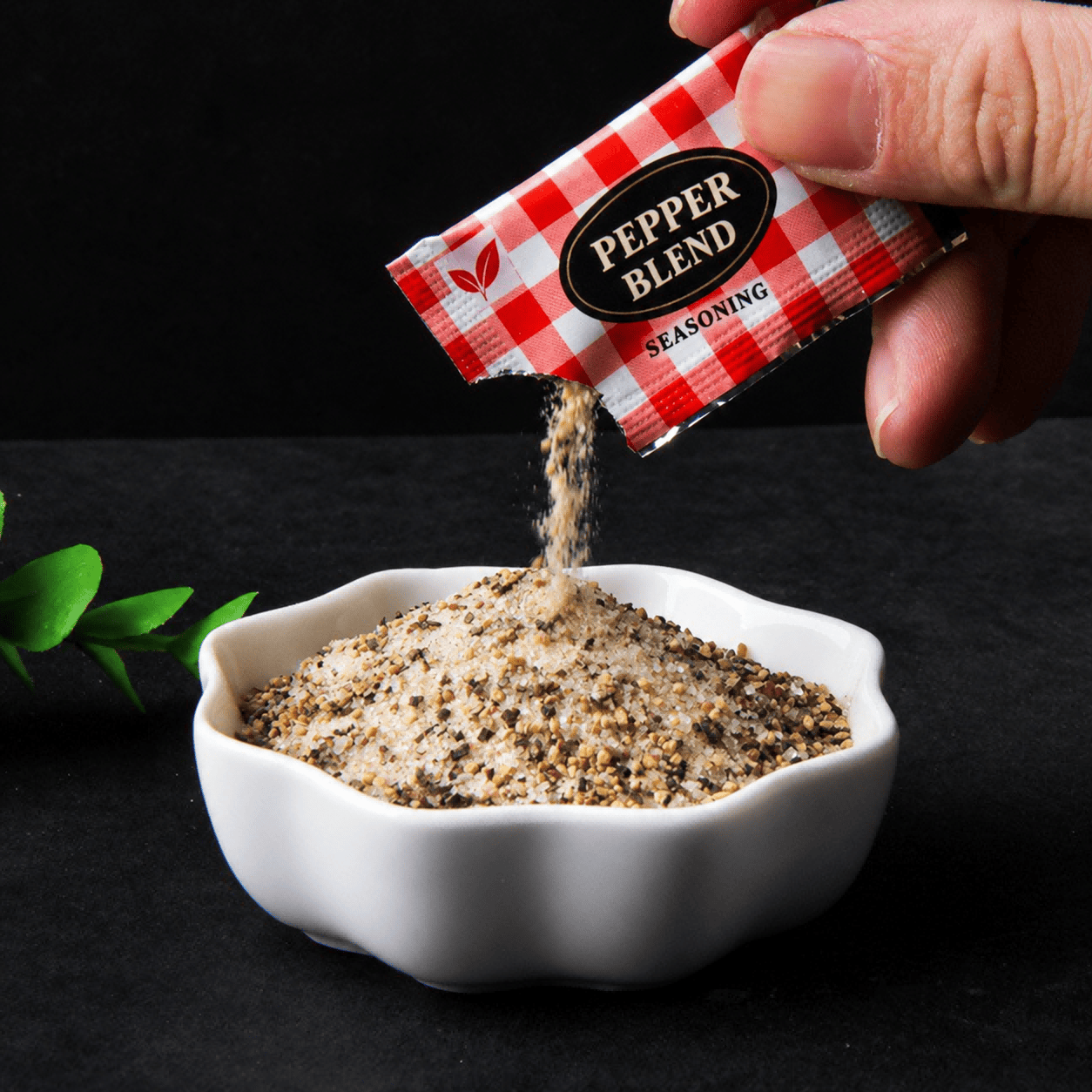
Pour the actual blend into the intended container. Observe the flow, spillage and product left in corners. Check fine powders and coarser blends separately when they are part of the planned product range.
Confirm the opening behaviour on the final printed material. Keep essential text clear of the expected tear path, and retain an approved filled sample as the reference for the opening design.
Seasoning blend shown pouring through an opened sachet.
SPECIFICATION & QUOTATION
Prepare the Details Before Requesting a Quote
Provide the actual seasoning blend, planned packing route and machine details with your enquiry. Include a current pack or film sample where available, and identify the changes you need.
Keep the final drawing, artwork, material specification and trial results together before approving production.
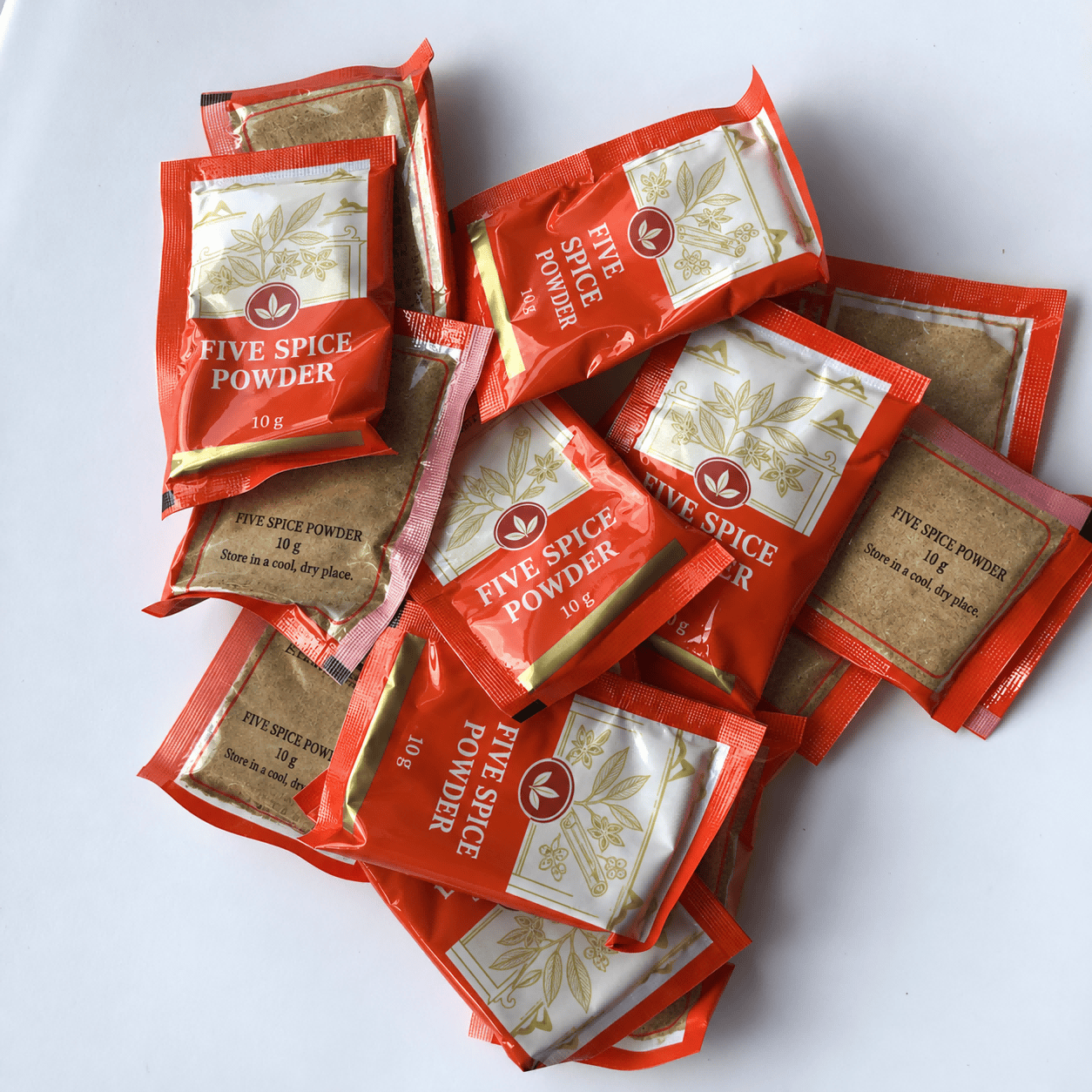
Seasoning blend or product sample, target net weight per sachet, intended storage period and distribution conditions. Include any known moisture, aroma or oxygen-protection requirements.
Premade sachets or rollstock, finished width and length, seal layout and tear-notch position. Provide the current laminate structure and thickness, or the performance requirements for a proposed material.
For rollstock, confirm the machine model, web width, print repeat, registration marks, core size, maximum roll diameter and unwind direction. Include the lane layout for a multi-lane line.
Final artwork revision, printing requirements and space for variable date or batch information. State the quantity for each design and pack size, along with the delivery destination.