
Blog
Blog
Explore the PaperMyna blog for practical articles about flexible packaging, self-adhesive labels, thermal paper, materials, printing, packaging processes, and industry applications.
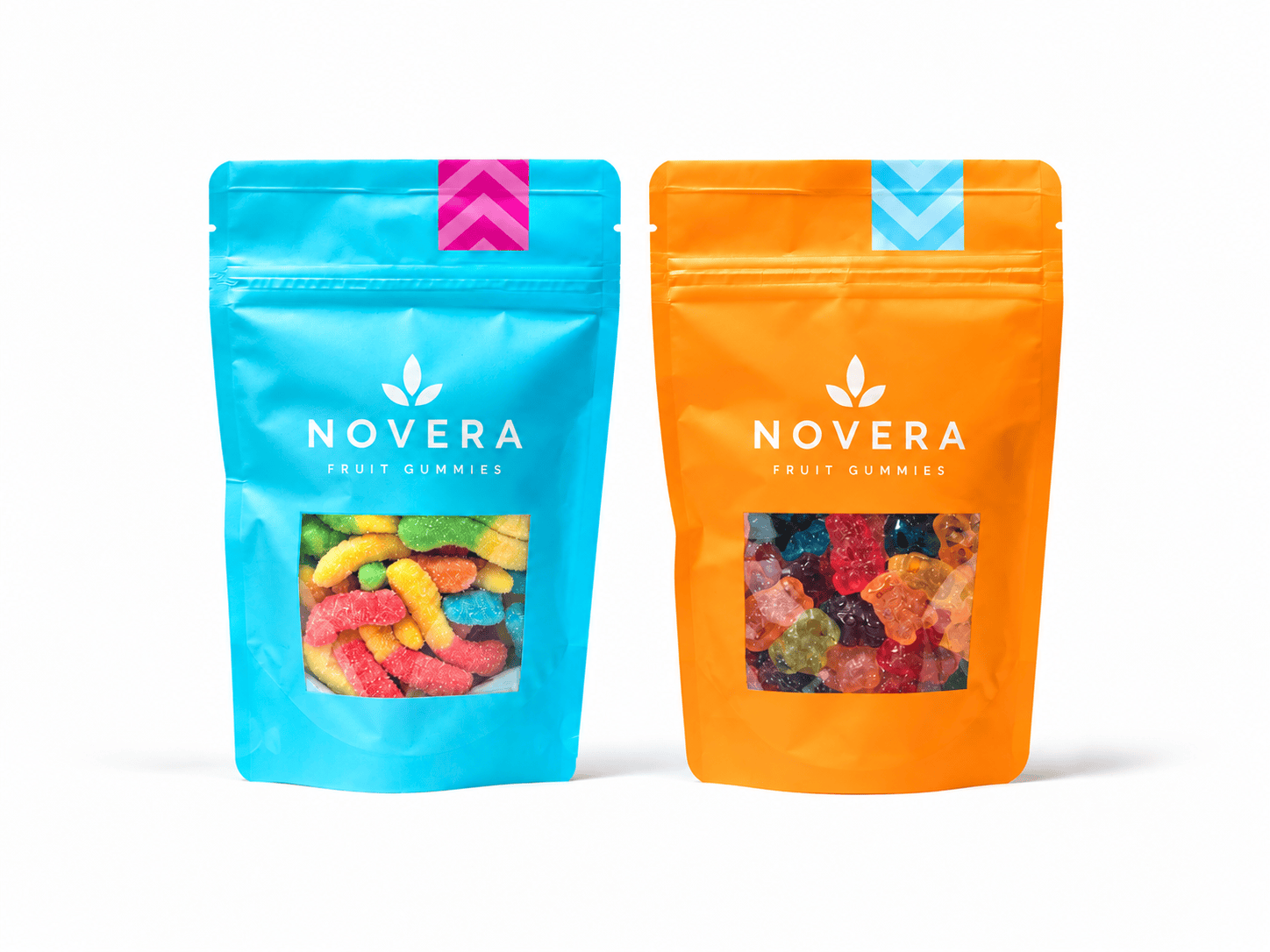
Oct 7, 2026•Gummy packaging should suit the candy's texture, coating and filling process. This guide explains pouch formats, film requirements, zipper and seal checks, and practical packing and storage trials before ordering custom bags or rollstock.
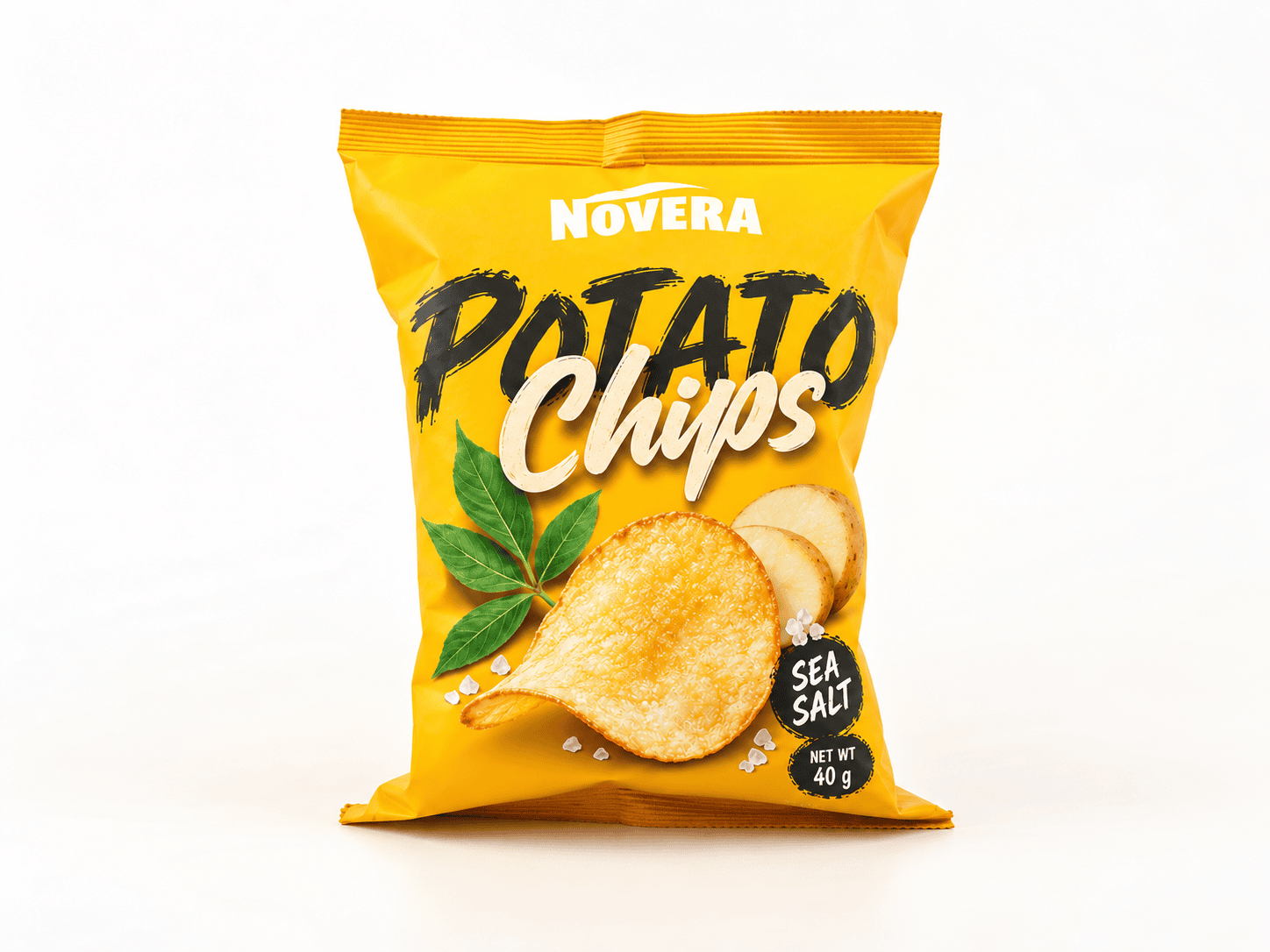
Oct 7, 2026•Potato chip packaging needs to protect crispness and suit the packing line. This guide explains barrier film options, pillow bag formats, seal quality and nitrogen flushing, along with the key specifications to confirm before ordering custom printed rollstock.
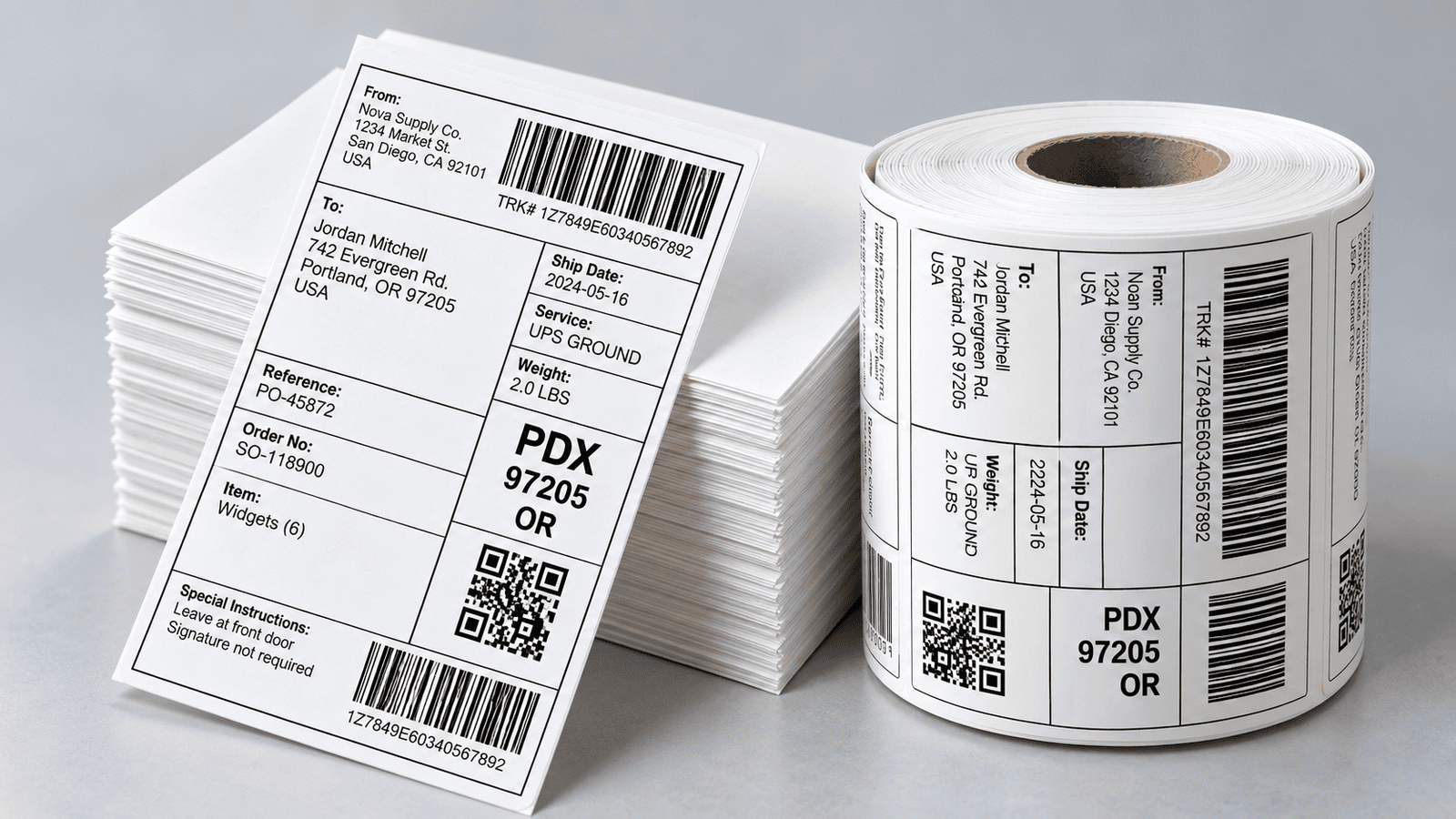
Sep 26, 2026•Fanfold and roll shipping labels can use the same label size and thermal material, but they behave differently at the packing station. This guide compares loading, printer compatibility, label capacity and workflow considerations to help you choose the right format.
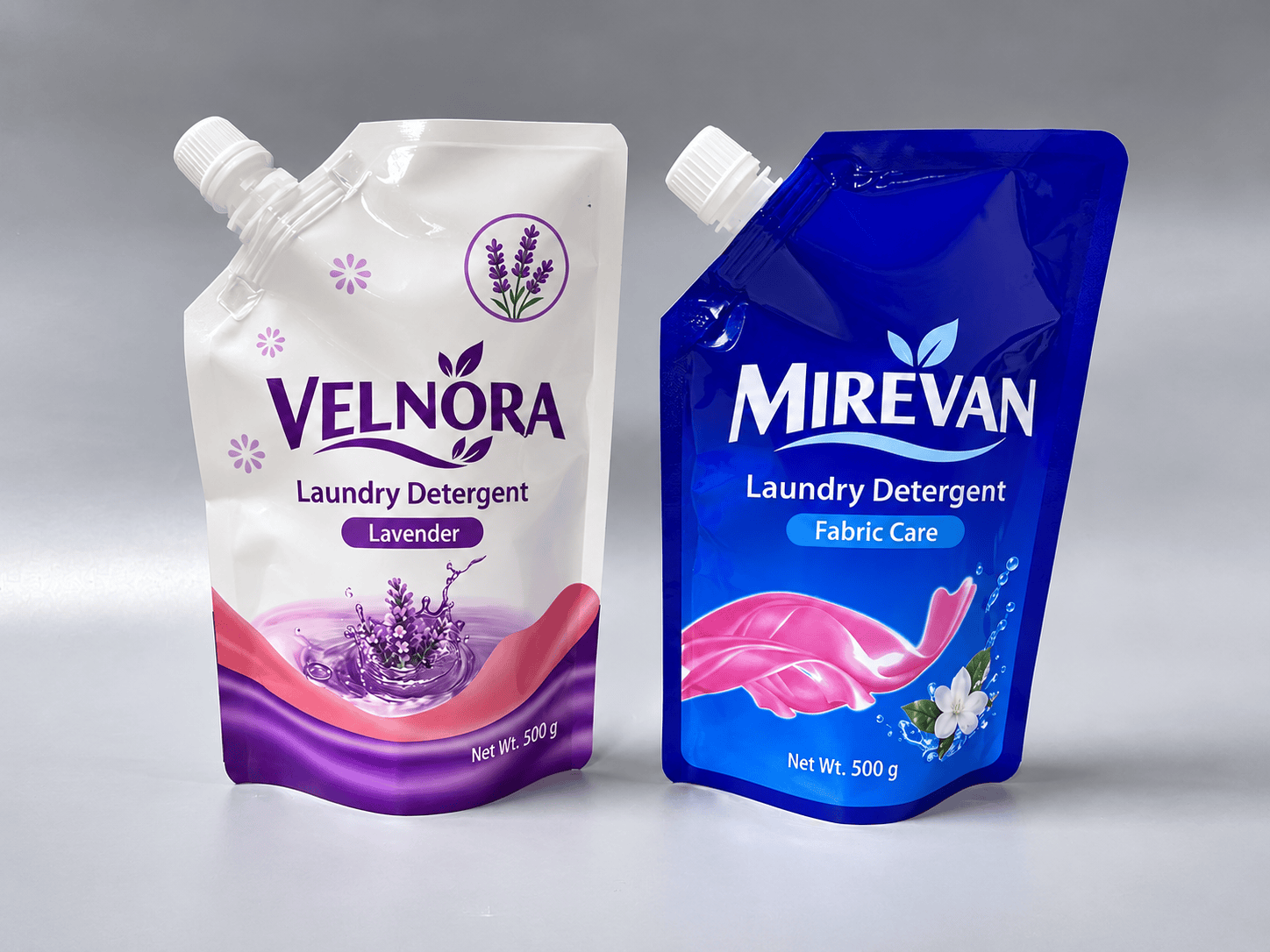
Sep 25, 2026•Choosing a liquid detergent refill pouch involves more than its size and appearance. This guide explains how material compatibility, spout design, seal integrity and filling conditions influence packaging performance, and what to confirm before sampling and production.
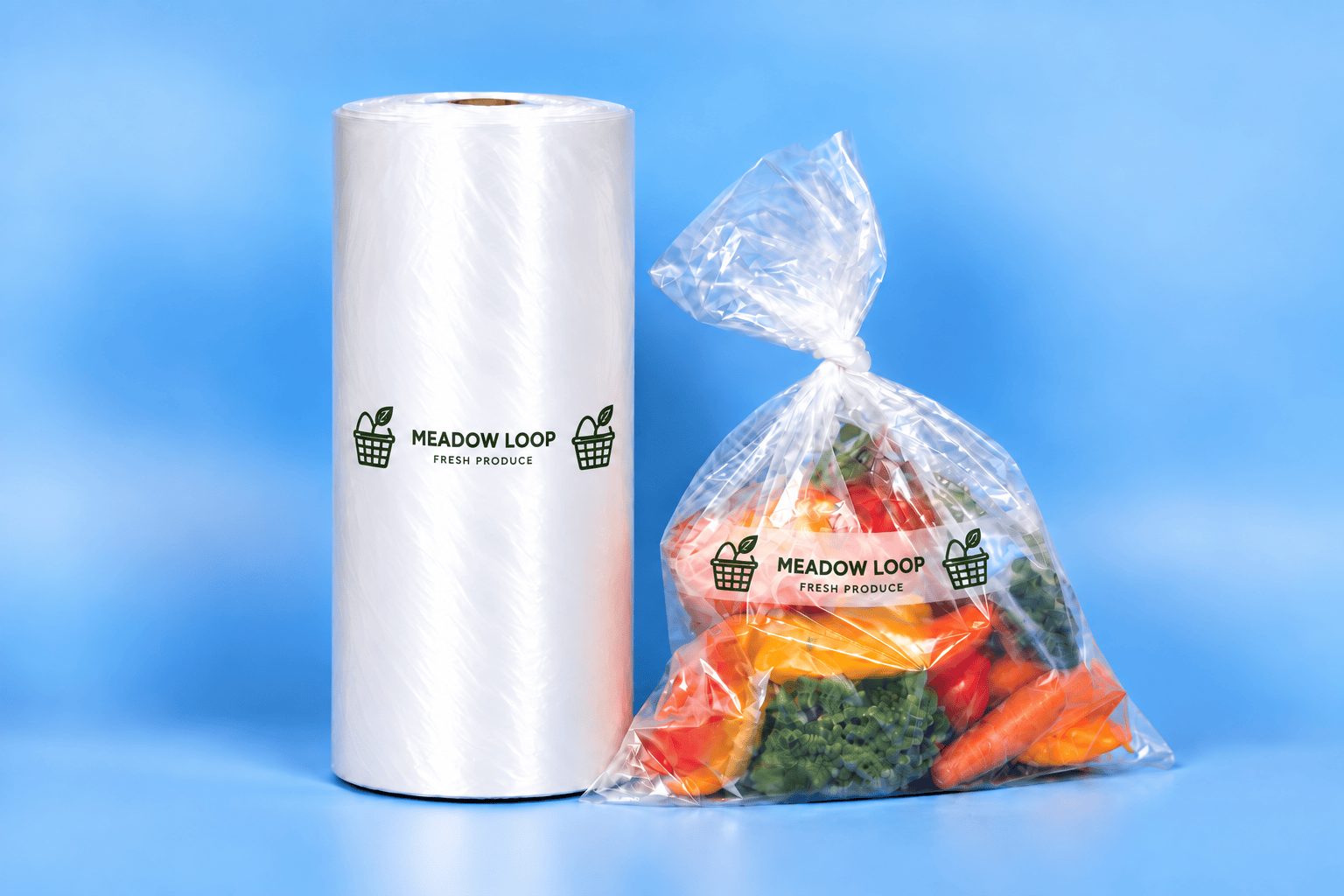
Sep 24, 2026•Perforated roll bags are widely used in supermarket produce areas for packing fruit, vegetables and other fresh foods. This guide explains how film type, bag size, dispensing, perforation and printing affect everyday supermarket use and product presentation.
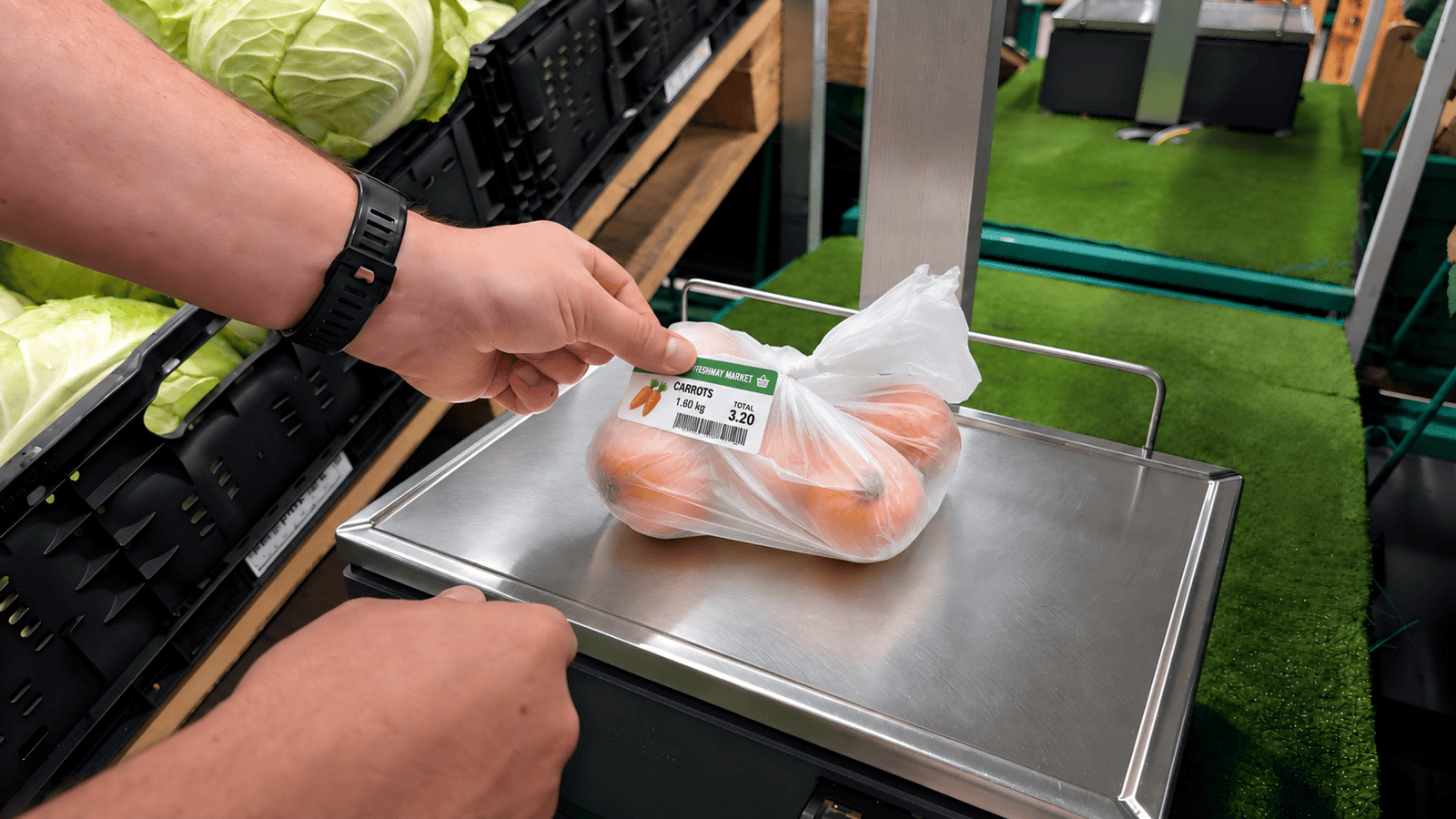
Sep 22, 2026•Supermarket price labels must combine suitable materials, clear barcode printing and accurate variable data. This guide explains how labels support produce, meat and fresh-food weighing applications, from label construction and print quality to reliable pricing and traceability.